
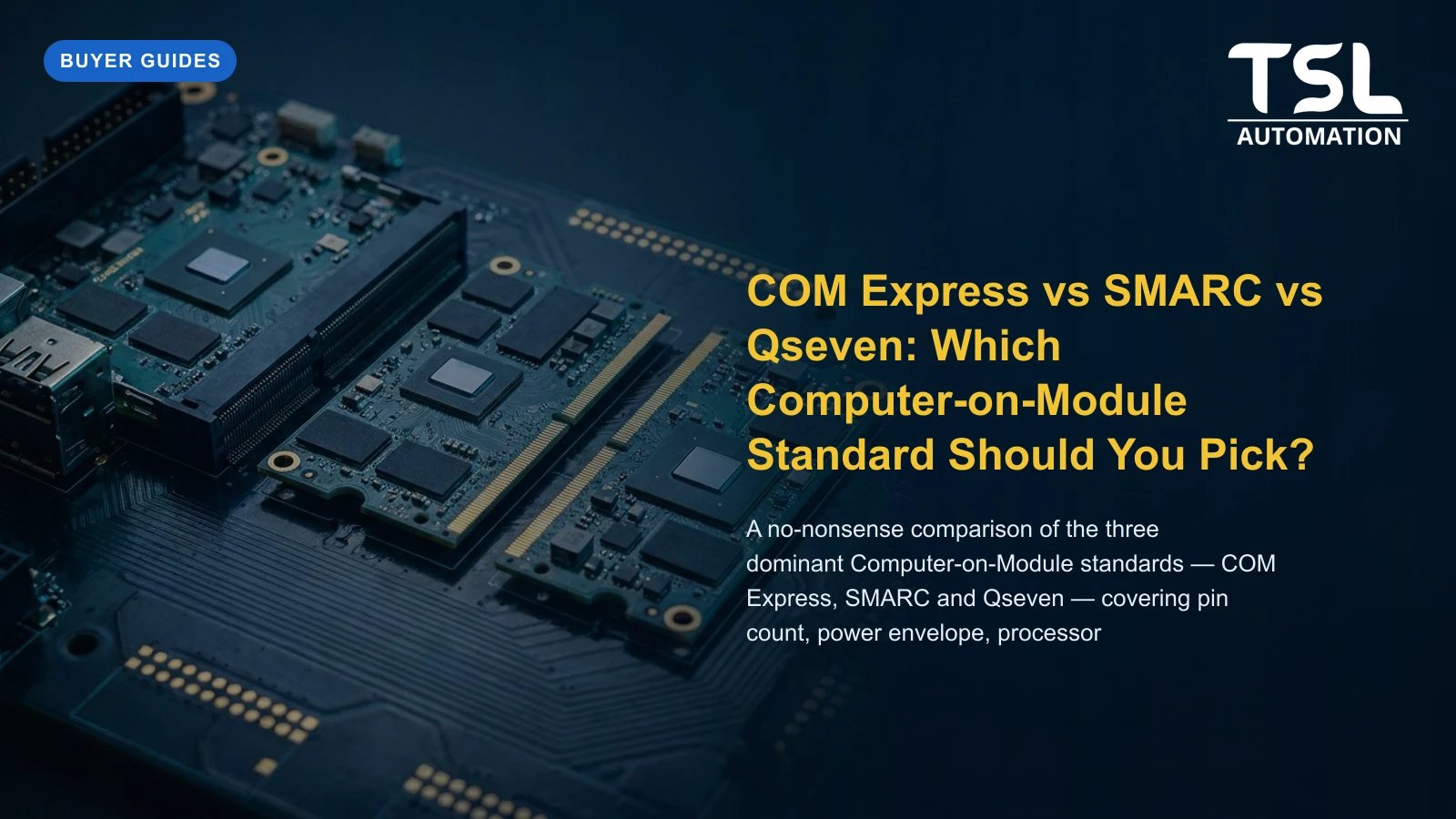
COM Express, SMARC czy Qseven? Który standard Computer-on-Module (COM) wybrać
Spis treści
Why the COM standard matters before the processor
When you build a long-life embedded product on a Computer-on-Module (COM), the module standard you commit to constrains your carrier-board design for years. Switching from COM Express to SMARC later means a new carrier board and re-validation. So picking the right standard up front matters more than picking the right processor, you can refresh the processor on the same connector.
The three mainstream standards at a glance
- COM Express (PICMG), the workhorse for x86. COM Express Type 6 uses two 220-pin connectors (440 pins total) and comfortably hosts power envelopes well above 20W. Best for high-performance Intel/AMD designs needing rich PCIe lanes and multiple displays.
- SMARC (SGET), a 314-pin edge connector aimed at small, rich-I/O modules. Power envelope target is around 6W. Supports both ARM and x86, which makes it the modern "future-proof" pick when you may pivot architectures.
- Qseven (SGET), a 230-pin edge-connector module sized 70×70 mm with a specification maximum of 12 W. Simpler and slimmer than COM Express; well suited to lower-cost, less-complex carriers.
Match the standard to the project
Pick COM Express when…
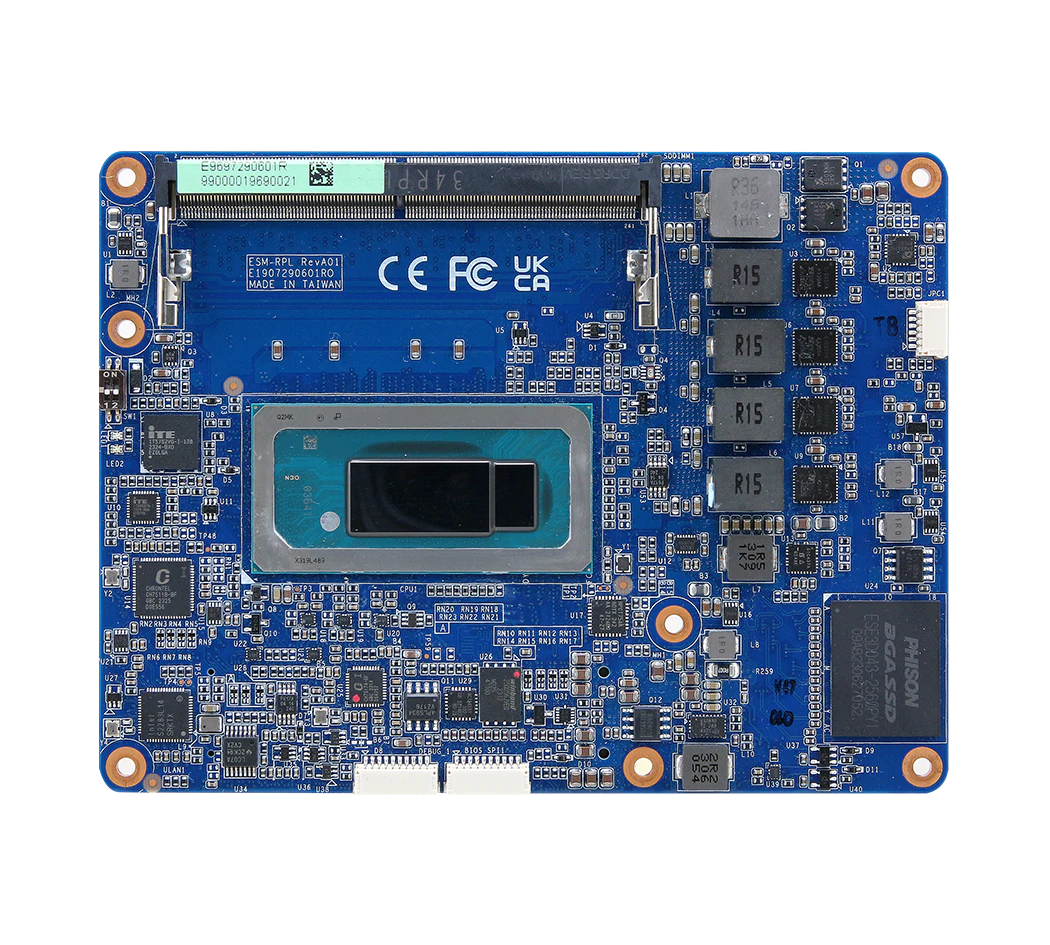
You need high-performance Intel Core/Xeon, multiple PCIe Gen4/Gen5 lanes for GPU/AI/storage expansion, dual or triple display output, and you don't mind the larger module and carrier real estate. Most industrial PCs, medical workstations and machine-vision controllers land here. See our COM Express Type 6 modules such as the ESM-RPL.
Pick SMARC when…
You want one carrier that can host either an ARM SoC or a low-power x86, you need a small footprint with rich I/O (camera, audio, CAN, multiple Ethernet), and you're targeting a sub-10W power envelope. Smart cameras, IoT gateways and handheld medical devices typically land here.
Pick Qseven when…
You need a lower-pin-count module with a simple carrier and a power envelope under ~12W (note that standard Qseven at 70×70 mm is physically larger than SMARC’s 82×50 mm module; the genuinely ultra-compact option is the 40×70 mm µQseven variant). Good for cost-sensitive panel-mounted devices and slim handhelds.
What about COM-HPC and OSM?
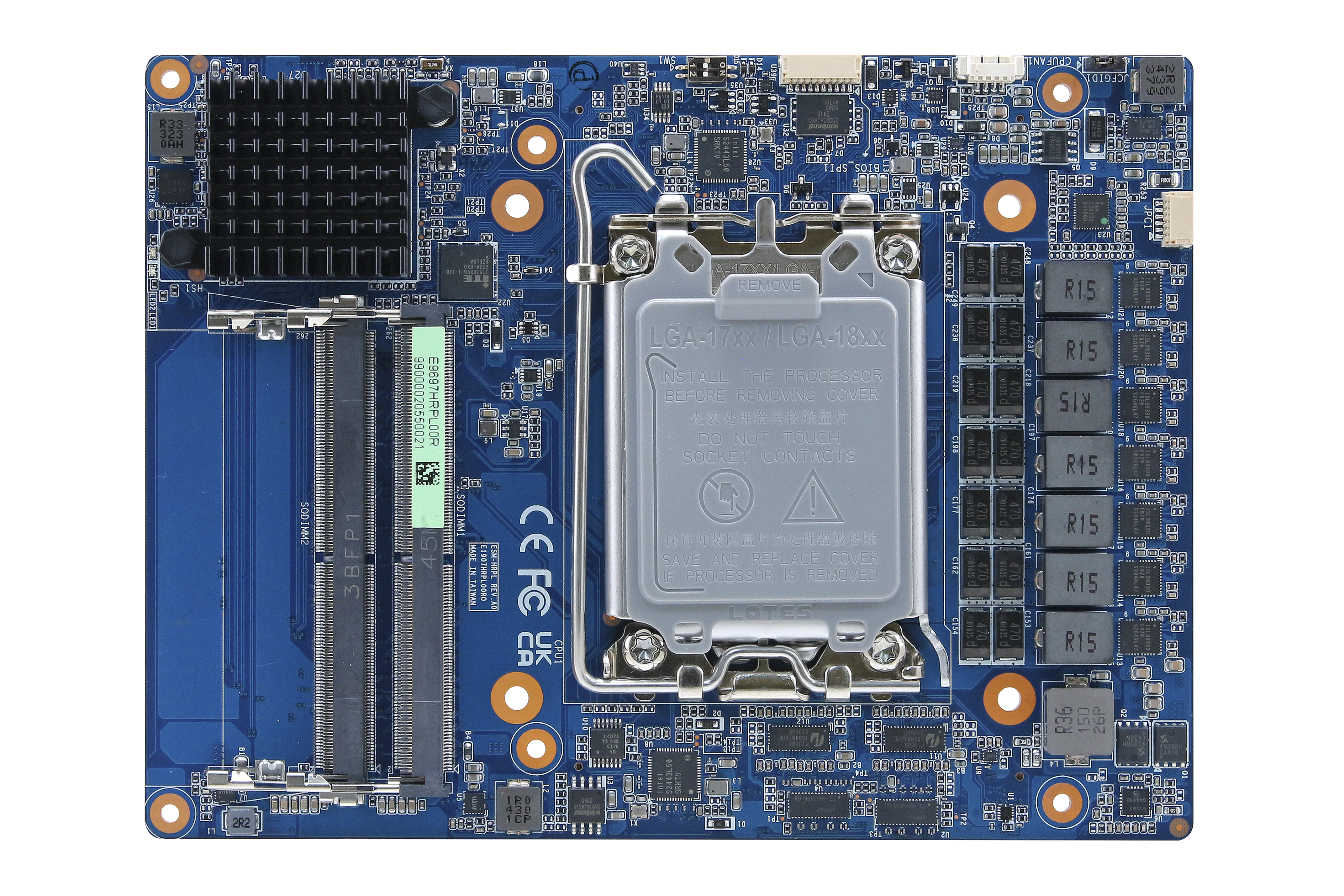
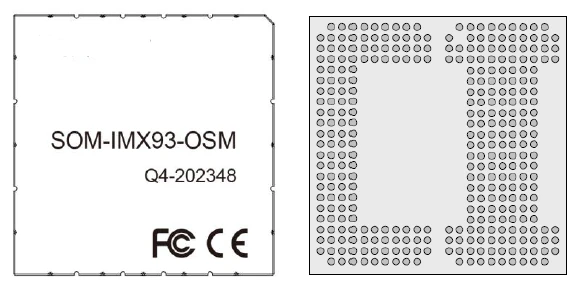
For very high-performance designs (server-class CPUs, 100GbE, PCIe Gen5 x16) the newer COM-HPC standard supersedes COM Express on capability, modules like the EEV-HC10 and ESM-HRPL target this tier. At the opposite end, Open Standard Module (OSM) is a solder-down, ultra-low-cost form factor (no connector at all) for very high-volume or vibration-critical designs.
Checklist before you commit
- Target power envelope and thermal budget
- Required PCIe lanes / display outputs / Ethernet ports
- ARM, x86 or both over the product's lifetime?
- Mechanical envelope of the end product
- Long-term availability of CPU options on that connector
- Existing carrier-board IP you can reuse
How TSL Automation can help
TSL Automation supplies COM Express, COM-HPC and Open Standard Modules from Avalue worldwide. We can help you shortlist a module + carrier strategy that matches your power, performance and product-life targets. Contact our team with your project brief.
Często zadawane pytania
TSL Automation Solutions
Dyrektor marketingu, TSL Automation Solutions
Sanjana pisze o trendach w automatyce przemysłowej, premierach produktów i nowych technologiach dla TSL Automation Solutions, dystrybutora paneli HMI, paneli PC i systemów wbudowanych z siedzibą w Mumbaju, obsługującego producentów w Indiach i na całym świecie.
Potrzebna pomoc w wyborze właściwego produktu?
Nasz zespół w Mumbaju doradzi odpowiedni panel HMI, panel PC lub system wbudowany do Państwa zastosowania.
Kontakt z TSL AutomationPowiązane produkty
Powiązane artykuły
Jak wybrać serwer brzegowy AI: poradnik zakupowy dla AI & wizji maszynowej
4 sie 2026
Panel PC z Androidem czy z Windows do kiosków samoobsługowych i QSR?
20 maj 2026

Jak wybrać komputer sterujący do robotów mobilnych AMR i wózków AGV
20 maj 2026