Valdetectie met mmWave-radar: zo werkt privacyvriendelijke sensortechniek in de zorg
Inhoudsopgave
Why the bathroom problem broke camera surveillance
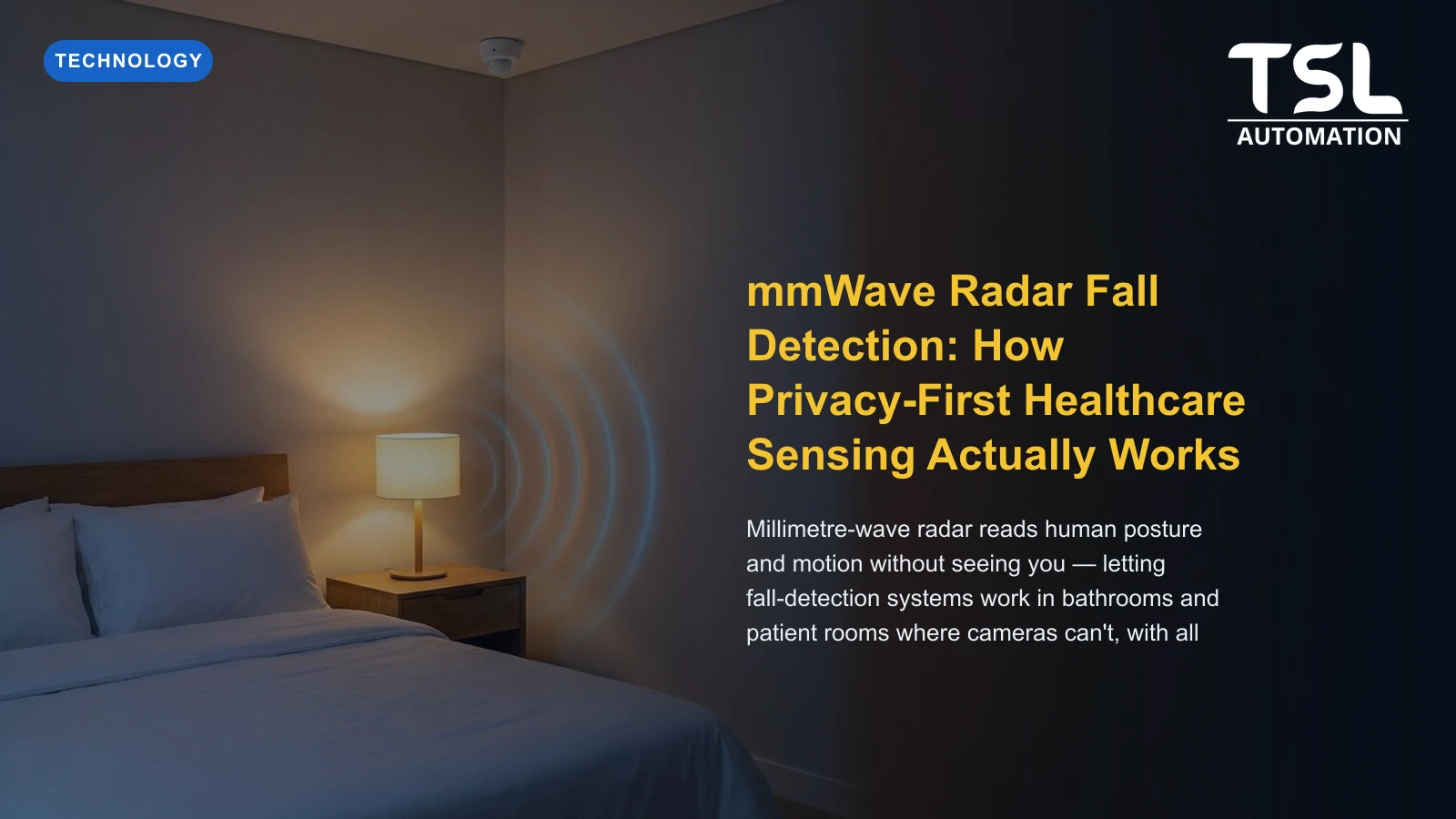
Falls are one of the most common accidents in elderly and long-term care. The highest-risk locations, bathrooms, restrooms, behind curtains, are precisely where cameras can't go for privacy reasons. Wearables work, but only when patients put them on. The result, until recently, was a coverage gap exactly where coverage matters most.
What mmWave radar actually measures
Millimetre-wave (mmWave) radar transmits a low-power radio signal in the 24, 60 or 77 GHz bands and measures the reflections. From those reflections it derives motion, position, micro-Doppler signatures and rough body posture, enough to distinguish standing, walking, sitting, lying down and a rapid descent (a fall). There is no image, no recognisable person and nothing that violates privacy. The sensor sees "a body did this" without seeing "this person did this".
Why "multimodal" beats radar-alone
Radar by itself can false-trigger on dropped objects, pets or someone sitting down quickly. Modern fall-detection systems fuse multiple modalities:
- mmWave radar for posture and motion
- Voice interaction to confirm the user's condition when an anomaly is detected, drastically reducing false alarms
- Environmental context (time of day, room, prior activity) to weight the inference
The combination is what makes the alert trustworthy enough to dispatch a caregiver.
Why it has to run at the edge
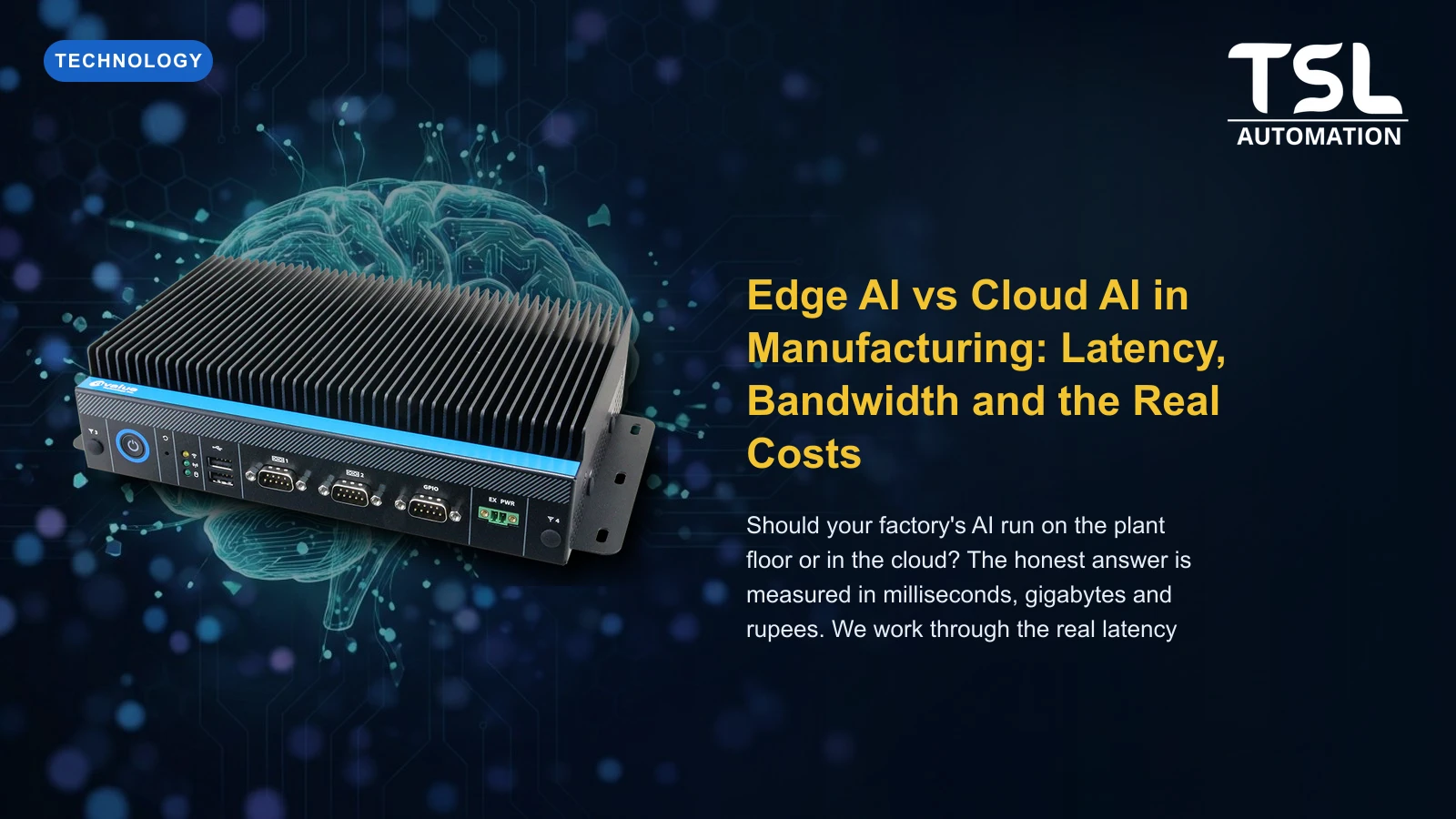
Privacy and latency both demand edge AI. Streaming radar reflections to a cloud for inference would re-introduce the privacy problem (now the cloud has identifiable behavioural data) and add seconds of delay, fatal in a fall response. Edge AI runs inference on the device, lets only the alert leave the room, and meets the low-latency envelope.
The hardware the system sits on
A privacy-first fall-detection system needs three things from its computer:
- Medical-grade build, IEC 60601-1 electrical safety, suitable for clinical environments
- Edge AI compute, a discrete GPU or NPU big enough for the model
- PCIe expansion, for AI accelerator cards and frame grabbers if vision is fused later
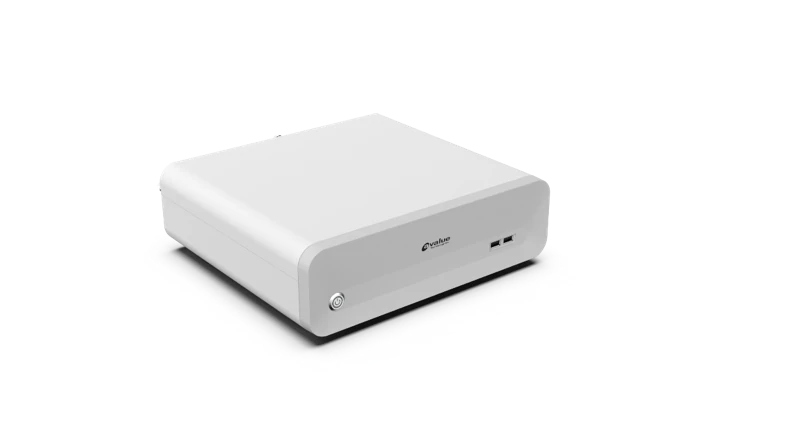
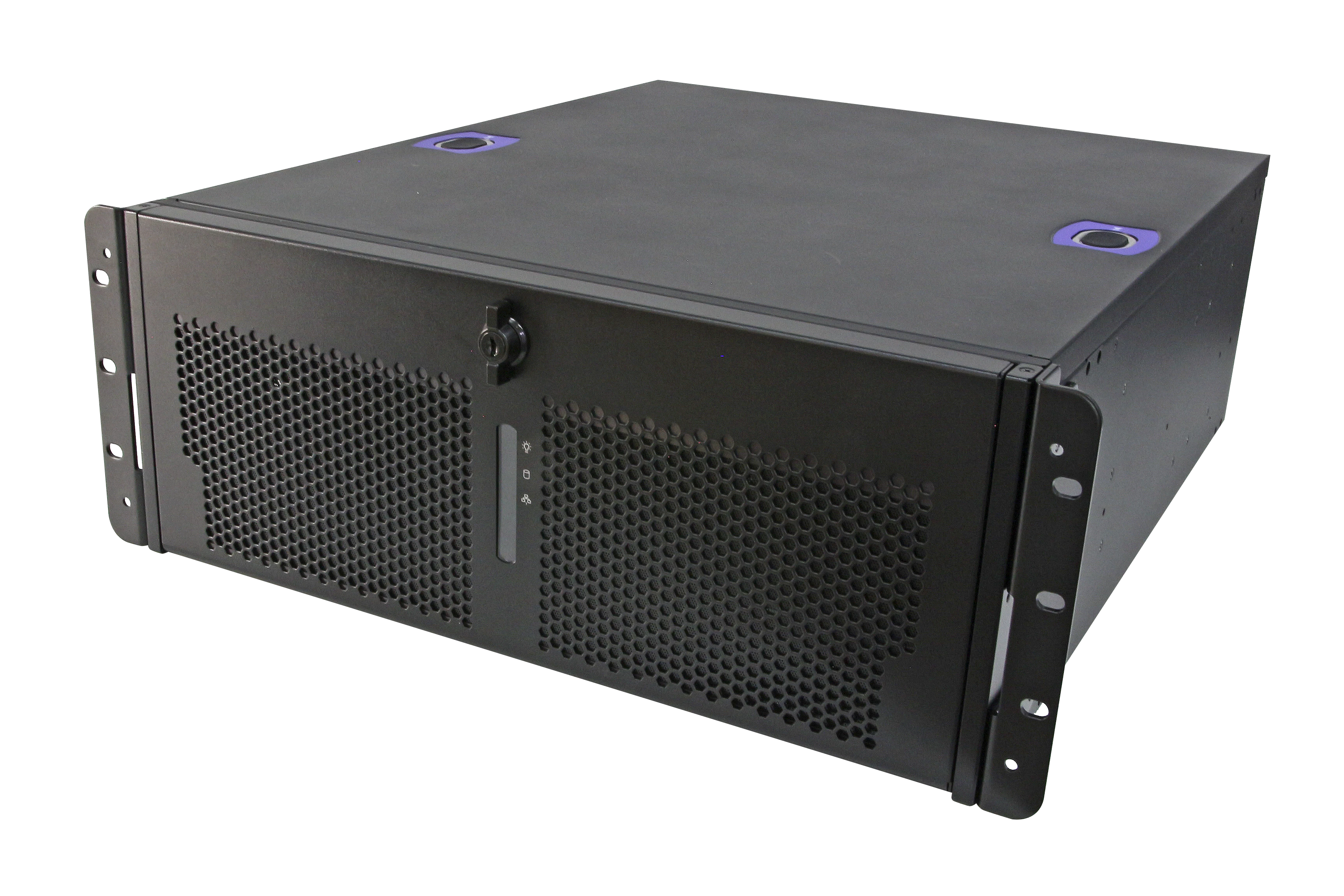
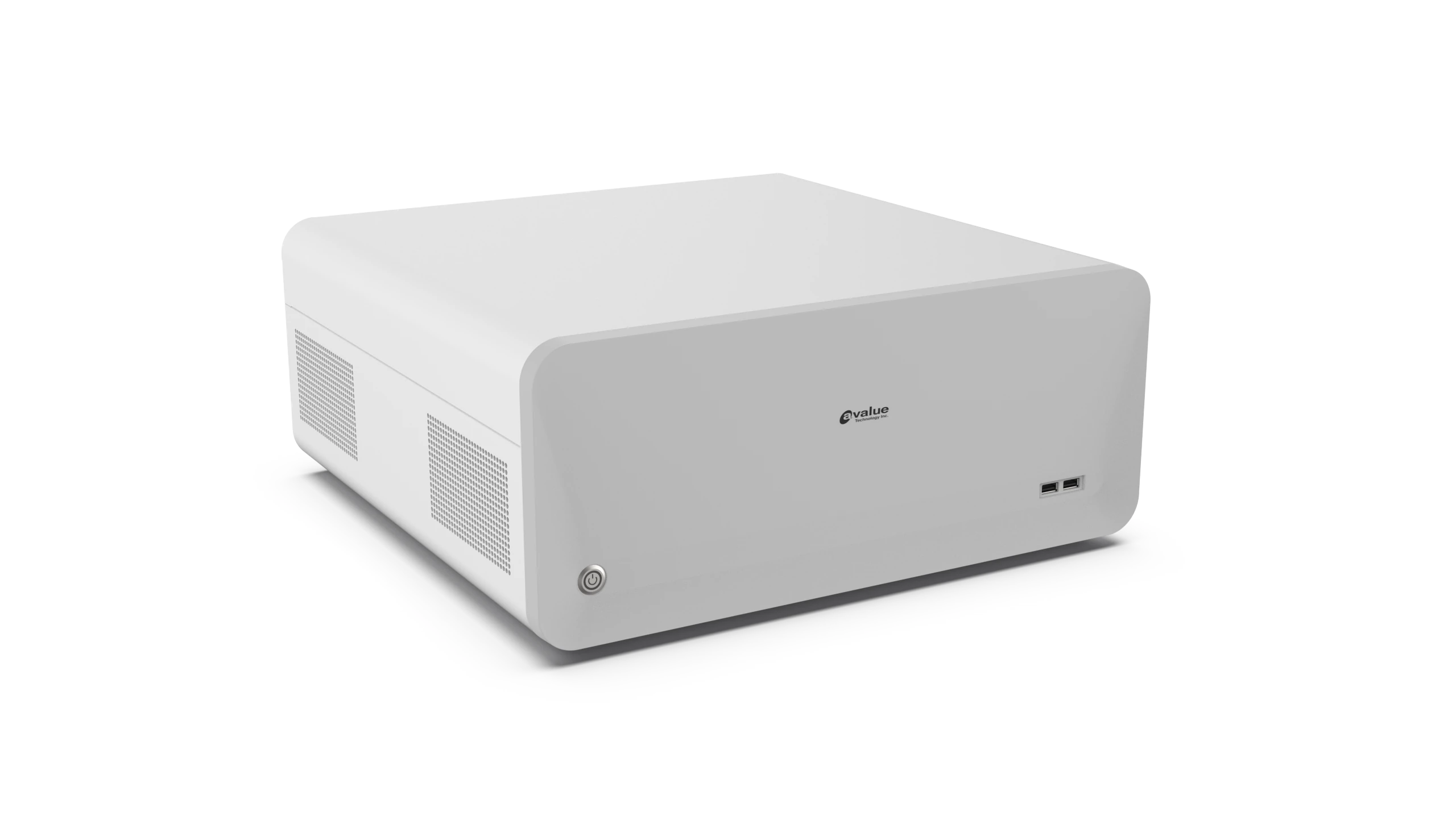
This is exactly the profile of Avalue's MAB-T660D edge AI Box PC (Intel 14th Gen Raptor Lake Refresh, up to 64GB DDR5, PCIe Gen4 x16) and, for centralised analytics across many rooms, the HPS-GNRU4A server (Intel Xeon 6, four dual-width GPUs, PCIe Gen5). See the live deployment write-up: Deepfens AI on Avalue's medical-grade platform.
Where this is headed
The next step is behavioural-health analytics, using the same radar data to flag prolonged inactivity, nighttime mobility changes, or trends that hint at decline weeks before a fall. The same privacy-first hardware stack supports both alerting and long-term insight, without the camera footage that creates governance risk.
Where TSL Automation fits
TSL Automation supplies Avalue's medical-grade edge AI platform worldwide. Contact our team to scope a fall-detection or smart-care deployment around the MAB-T660D edge node and the HPS-GNRU4A central server.
Veelgestelde vragen
TSL Automation Solutions
Hoofd Marketing, TSL Automation Solutions
Sanjana schrijft over trends in industriële automatisering, productlanceringen en technologische inzichten voor TSL Automation Solutions, een in Mumbai gevestigde distributeur van HMI, panel-pc en embedded computersystemen voor fabrikanten in India en wereldwijd.
Hulp nodig bij het kiezen van het juiste product?
Ons team in Mumbai adviseert u over de juiste HMI, panel-pc of het juiste embedded systeem voor uw toepassing.
Neem contact op met TSL Automation