
Komputery przemysłowe w zastosowaniach obronnych i wojskowych
Spis treści
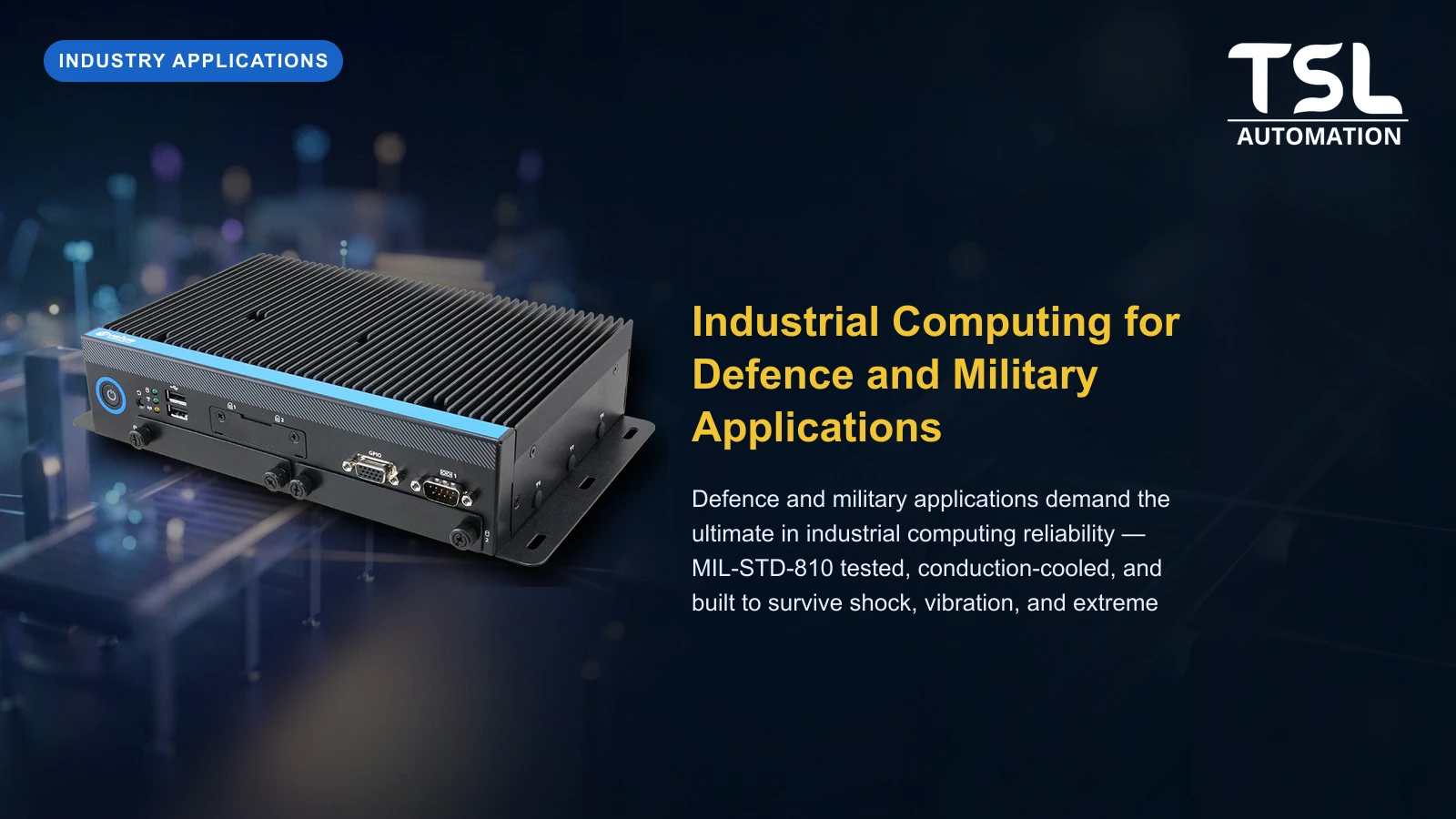
MIL-STD-810: The Defence Computing Standard
MIL-STD-810 is the US Department of Defense environmental engineering test standard, covering temperature, altitude, vibration, shock, rain, humidity, salt fog, sand, and dust. Industrial computers for defence applications are tested to these methods and rated accordingly. For Indian defence procurement, equivalent standards under MIL-STD-810 and DRDO specifications apply.
Key Applications
- Armoured vehicle systems, mission computers, navigation displays, and turret control systems requiring conduction cooling (no fans) and MIL-STD-1275 28V power input
- Shipborne electronics, C4ISR systems requiring shock isolation and salt air resistance
- Ground command stations, portable or fixed command post computers requiring wide-temperature operation
- Radar and signal processing, high-performance computing for signal processing with PCIe GPU expansion
- Drone and UAV ground control, compact, lightweight embedded computing for GCS systems
Conduction Cooling for Vehicle Applications
Vehicle-mounted computers cannot use convection cooling (fans) because there is no ambient airflow inside armoured hulls. Conduction-cooled designs transfer heat directly from the processor to the chassis wall, which acts as a heat spreader to the vehicle body. Avalue rugged computing platforms available from TSL Automation support conduction-cooled configurations for vehicle integration projects.
Często zadawane pytania
TSL Automation Solutions
Dyrektor marketingu, TSL Automation Solutions
Sanjana pisze o trendach w automatyce przemysłowej, premierach produktów i nowych technologiach dla TSL Automation Solutions, dystrybutora paneli HMI, paneli PC i systemów wbudowanych z siedzibą w Mumbaju, obsługującego producentów w Indiach i na całym świecie.
Potrzebna pomoc w wyborze właściwego produktu?
Nasz zespół w Mumbaju doradzi odpowiedni panel HMI, panel PC lub system wbudowany do Państwa zastosowania.
Kontakt z TSL AutomationPowiązane artykuły
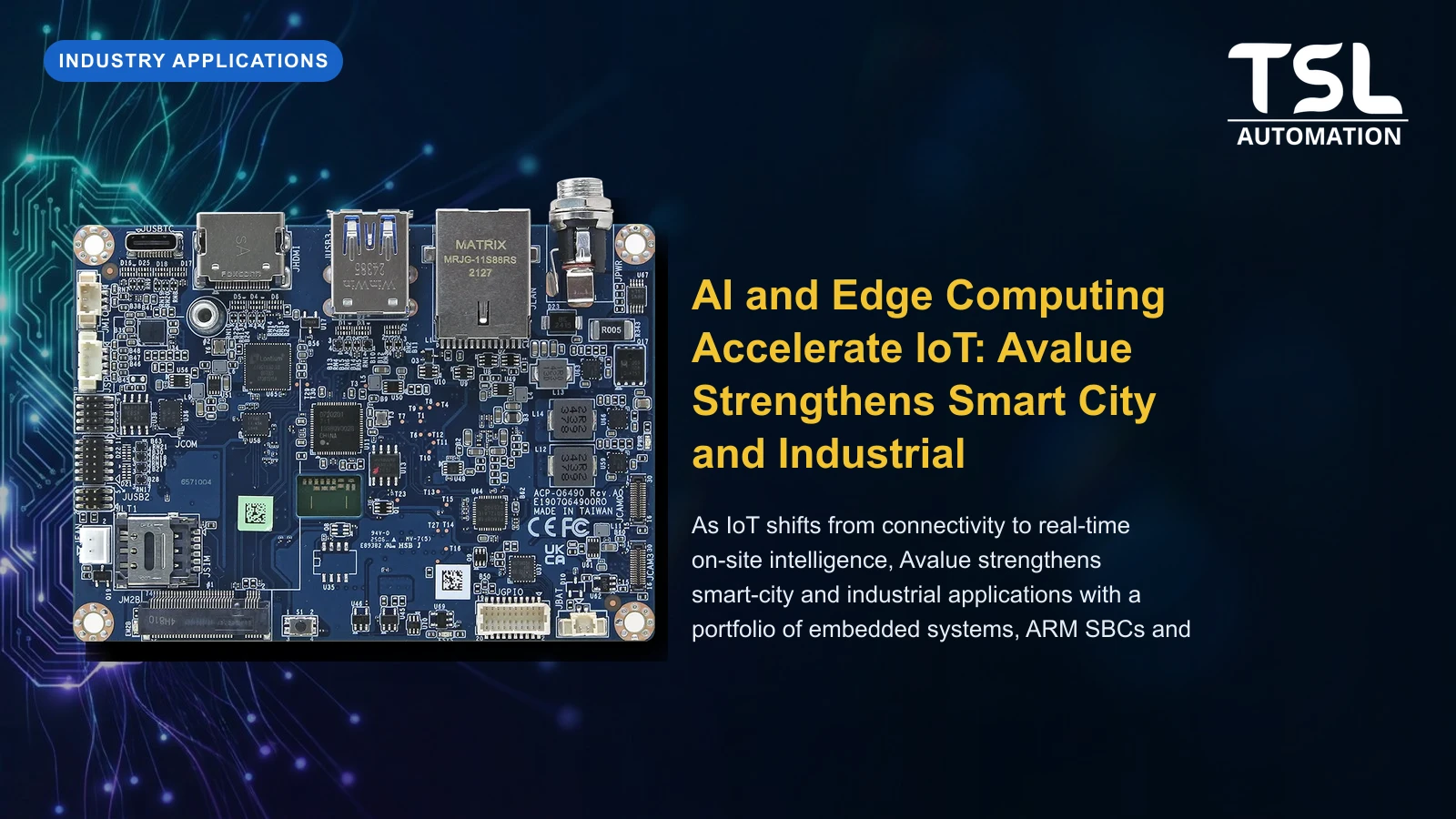
AI i edge computing przyspieszają IoT: Avalue wzmacnia smart city i przemysł
19 maj 2026
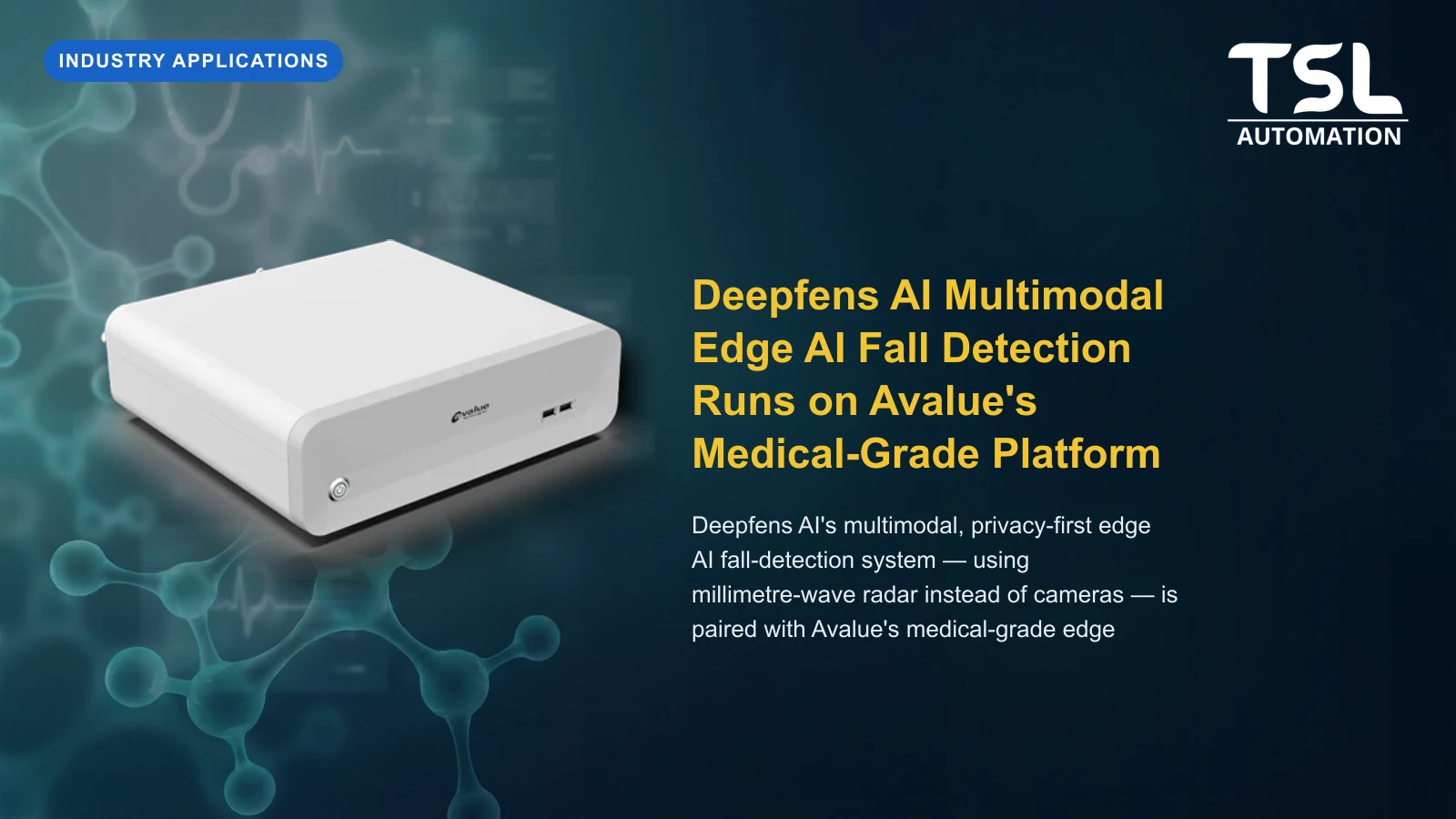
Multimodalne wykrywanie upadków Deepfens AI na platformie medycznej Avalue
19 maj 2026
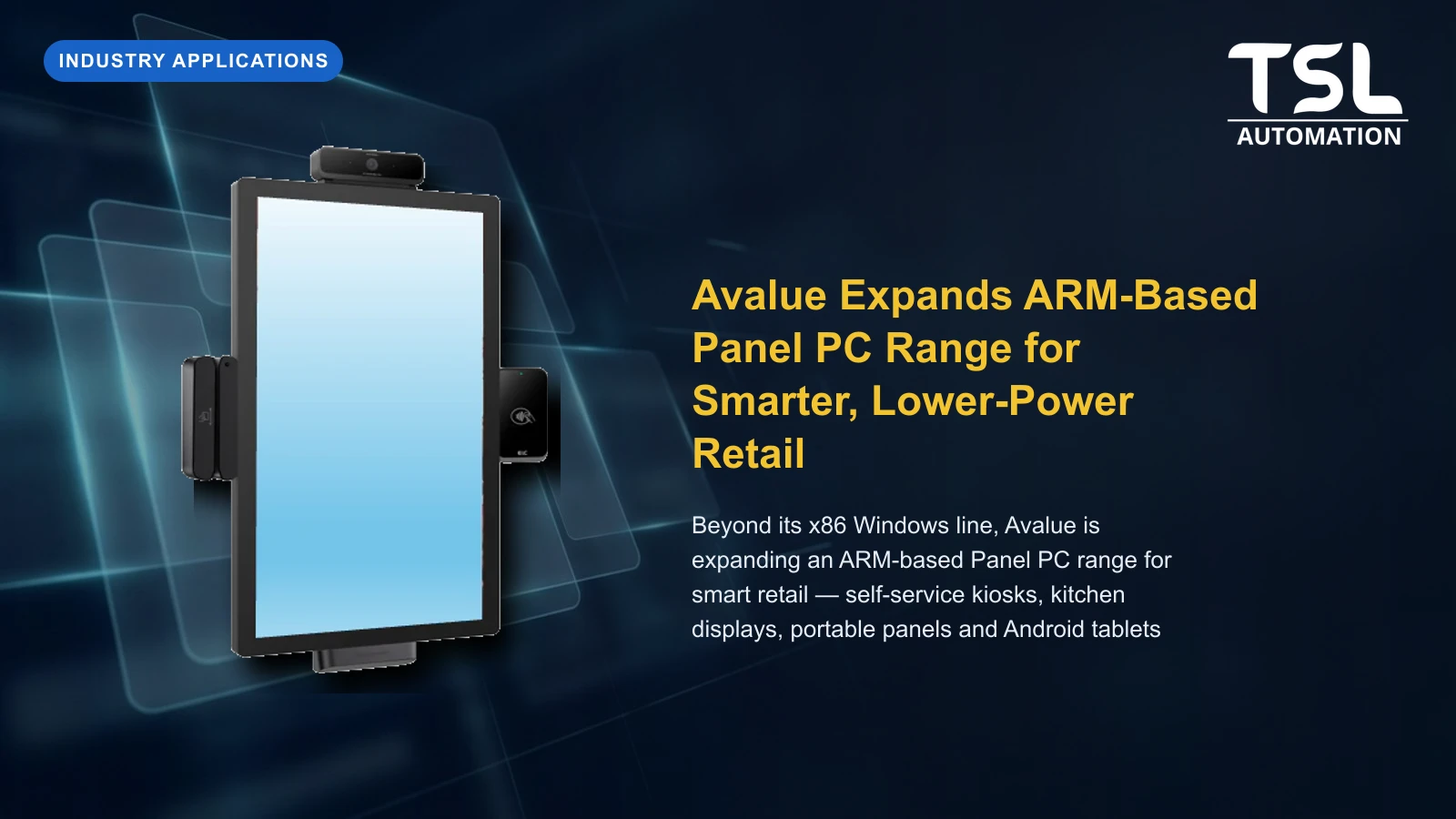
Avalue rozszerza ofertę paneli PC na ARM dla energooszczędnego handlu
18 maj 2026