
Avalue · High-Performance-Computing
HPS-ERSD4A
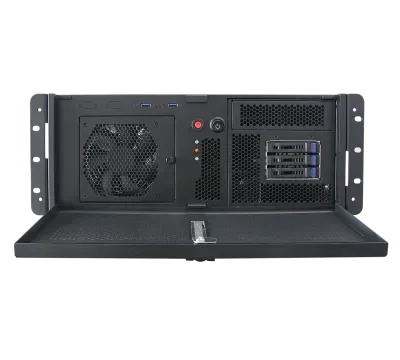
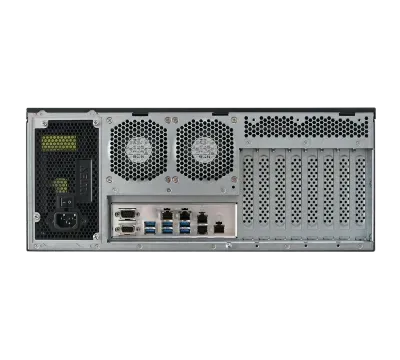
*Preis auf Anfrage. Kontaktieren Sie uns für ein Angebot.
Highlights
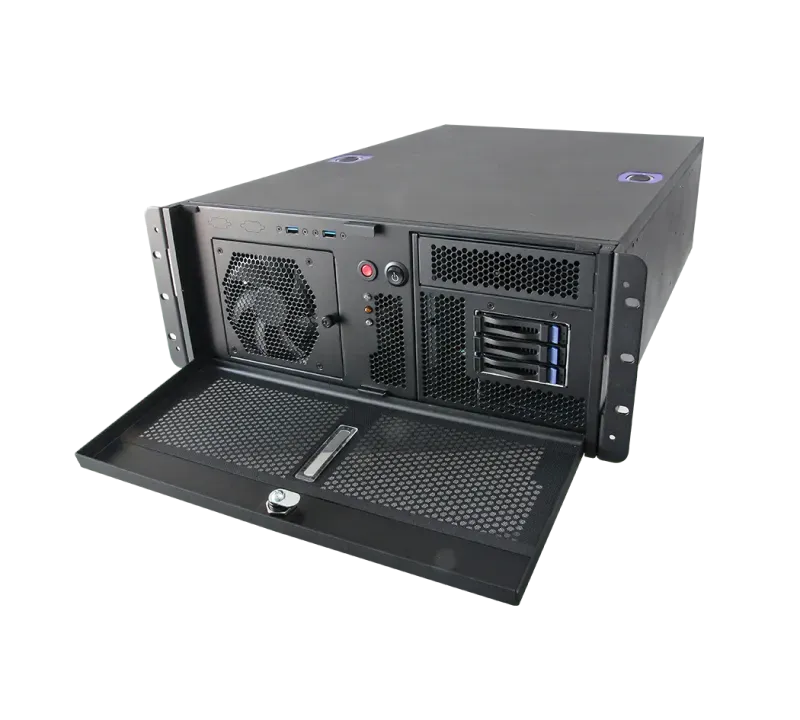
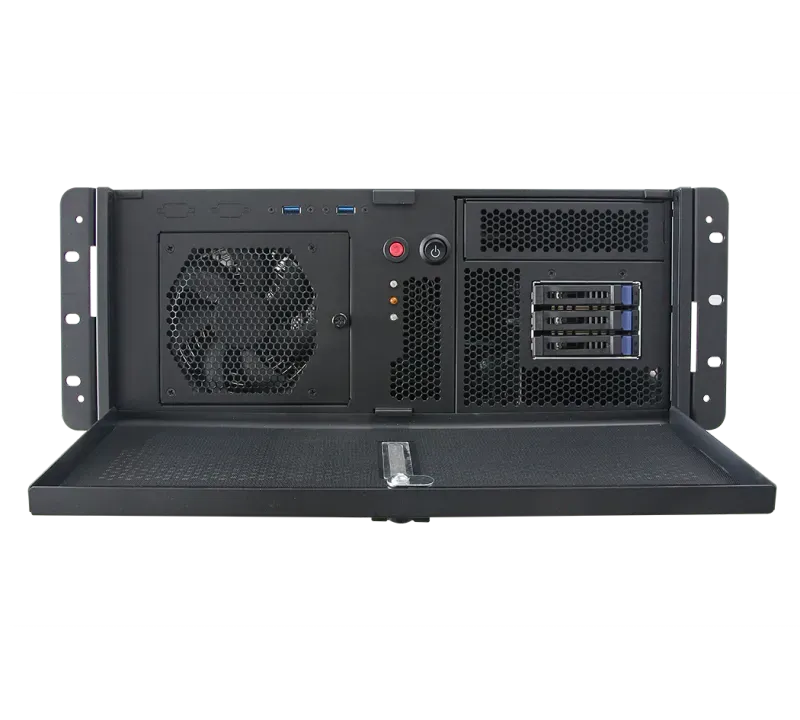
- 19"-4U-Rackmount-Workstation (430 x 174,8 x 650 mm)
- Zwei Intel® Xeon® Scalable der 4./5. Generation (LGA4677, max. 270 W TDP je)
- Avalue HPM-ERSDE Dual-Socket-Board, Intel® C741, IPMI 2.0
- 12 x DDR5 5600MHz RDIMM, bis zu 3 TB
- 1 x 1300W PS2 ATX Netzteil oder 1 x 1600W CRPS
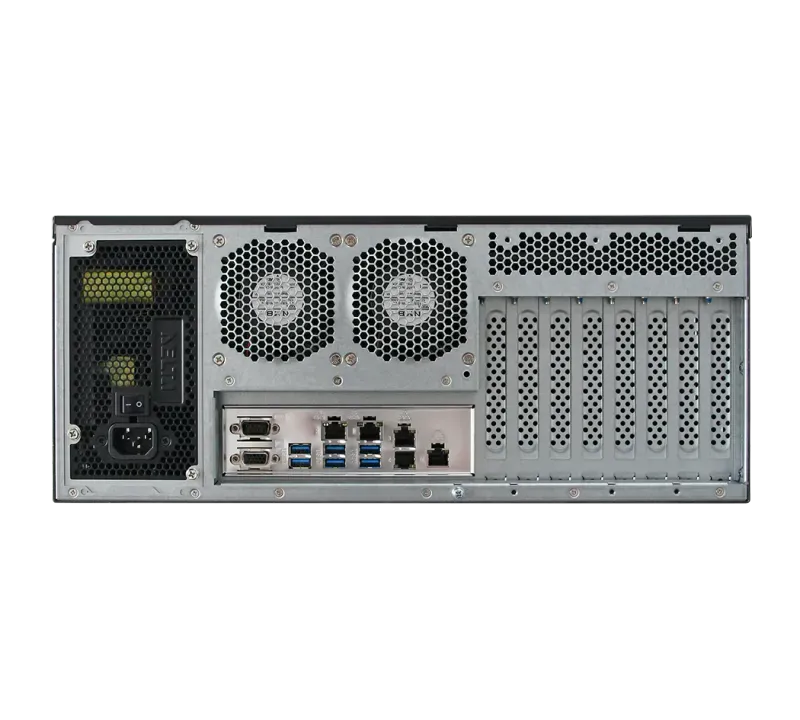
- 7 x PCIe Gen5 x16 Steckplätze
- 3 x von vorne zugängliche 2,5"-Laufwerksschächte + 1 x M.2 NVMe
- Intel I210AT 1GbE + I226-LM 2.5GbE + X550AT2 (2 x 10GbE)
- Windows 10 IoT / Server IoT / Ubuntu / RHEL
Produktbeschreibung
Die Avalue HPS-ERSD4A ist eine 19-Zoll-4U-Rackmount-Workstation auf Basis des Avalue HPM-ERSDE Dual-Socket-Serverboards für zwei Intel® Xeon® Scalable Prozessoren der 4./5. Generation (max.
TDP bis je 270W) mit Intel® C741 Chipsatz, konzipiert als Knoten mit hoher Kernanzahl und GPU-/Beschleuniger-Bereitschaft für HPC- und Edge-Rechenzentren.
Mit 12 x DDR5 5600MHz RDIMM bis 3TB, einem 1300W ATX- oder 1600W CRPS-Netzteil und IPMI 2.0 über einen ASPEED AST2600 BMC vereint sie Zwei-Sockel-Xeon-Scalable-Leistung in einem Gehäuse von 430 x 174,8 x 650 mm.
Sie bietet 7 x PCIe Gen5 x16 Steckplätze, eine M.2 NVMe, 3 x von vorne zugängliche 2,5-Zoll-Schächte, dreifaches Intel Ethernet (I210AT 1GbE, I226-LM 2.5GbE, X550AT2 Dual 10GbE), USB 3.2 Gen1 und VGA und läuft unter Windows 10 IoT / Windows Server IoT 2019/2022, Ubuntu oder RHEL.
Technische Daten
Was ist HPS-ERSD4A?
The HPS-ERSD4A is a high-performance-computing manufactured by Avalue, designed specifically for rackmount-tower-workstation applications. It features netzwerk of 1 x Intel I210AT 1GbE controller, 1 x Intel I226-LM 2.5GbE controller, 1 x Intel X550AT2 10GbE controller s… and betriebssystem of AMI UEFI BIOS. Die Avalue HPS-ERSD4A ist eine 19-Zoll-4U-Rackmount-Workstation auf Basis des Avalue HPM-ERSDE Dual-Socket-Serverboards für zwei Intel® Xeon® Scalable Prozessoren der 4./5. Generation (max. TDP bis je 270W) mit Intel® C741 Chipsatz, konzipiert als Knoten mit hoher Kernanzahl und GPU-/Beschleuniger-Bereitschaft für HPC- und Edge-Rechenzentren. Mit 12 x DDR5 5600MHz RDIMM bis 3TB, einem 1300W ATX- oder 1600W CRPS-Netzteil und IPMI 2.0 über einen ASPEED AST2600 BMC vereint sie Zwei-Sockel-Xeon-Scalable-Leistung in einem Gehäuse von 430 x 174,8 x 650 mm. Sie bietet 7 x PCIe Gen5 x16 Steckplätze, eine M.2 NVMe, 3 x von vorne zugängliche 2,5-Zoll-Schächte, dreifaches Intel Ethernet (I210AT 1GbE, I226-LM 2.5GbE, X550AT2 Dual 10GbE), USB 3.2 Gen1 und VGA und läuft unter Windows 10 IoT / Windows Server IoT 2019/2022, Ubuntu oder RHEL.
Wichtigste Merkmale & Vorteile
- 19"-4U-Rackmount-Workstation (430 x 174,8 x 650 mm)
- Zwei Intel® Xeon® Scalable der 4./5. Generation (LGA4677, max. 270 W TDP je)
- Avalue HPM-ERSDE Dual-Socket-Board, Intel® C741, IPMI 2.0
- 12 x DDR5 5600MHz RDIMM, bis zu 3 TB
- 1 x 1300W PS2 ATX Netzteil oder 1 x 1600W CRPS
- 7 x PCIe Gen5 x16 Steckplätze
- 3 x von vorne zugängliche 2,5"-Laufwerksschächte + 1 x M.2 NVMe
- Intel I210AT 1GbE + I226-LM 2.5GbE + X550AT2 (2 x 10GbE)
- Windows 10 IoT / Server IoT / Ubuntu / RHEL
Anwendungen & Einsatzbereiche
Das Modell HPS-ERSD4A eignet sich ideal für vielfältige Anwendungen in der industriellen Automatisierung:
- High-performance computing and data processing tasks
- Memory-intensive applications and multitasking
- Internet of Things (IoT) and edge computing
- Industrial computing and data processing
- Edge computing and IoT applications
- Real-time monitoring and control
- Industrial automation systems