
Avalue · Industrie- und Embedded-Mainboard
RSC-3576J
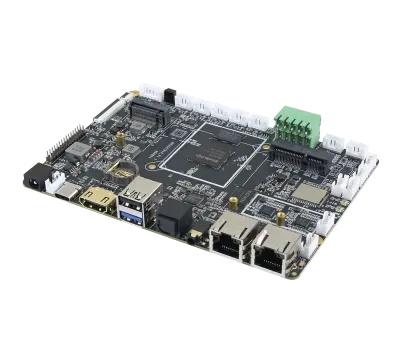
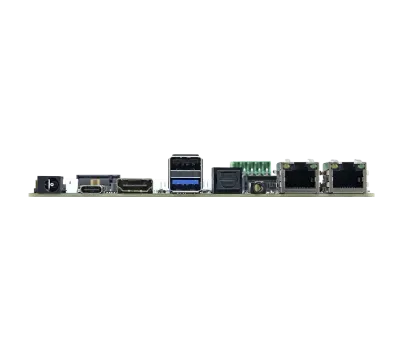
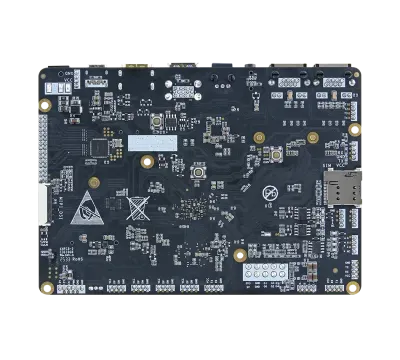
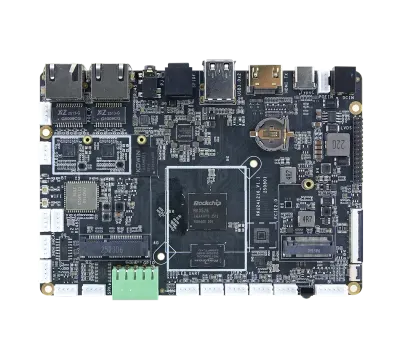
*Preis auf Anfrage. Kontaktieren Sie uns für ein Angebot.
Highlights
- Rockchip RK3576 Prozessor (Quad-Core Cortex-A72 + Quad-Core Cortex-A53)
- 4GB LPDDR4 Onboard-Arbeitsspeicher (8GB / 16GB optional)
- 64GB eMMC Massenspeicher (32GB ~ 256GB optional) + M.2 Key-M SSD-Steckplatz
- Zwei unabhängige Displays: 1 x HDMI + LVDS oder MIPI-DSI
- Dual 10/100/1000M Gigabit Ethernet
- USB 3.0 / USB 2.0 / USB 3.0 Type-C (OTG), RS-232, RS-485, CAN Bus, GPIO
- Optional 802.11ax Wi-Fi + Bluetooth 5.0; optional Mini-PCIe LTE (EC25-EUX)
- Weiter DC-Eingang 12 ~ 24V
- Erweiterter Betriebstemperaturbereich -40 °C bis 85 °C
- Betriebssystem-Unterstützung für Linux Debian und Android 13
Produktbeschreibung
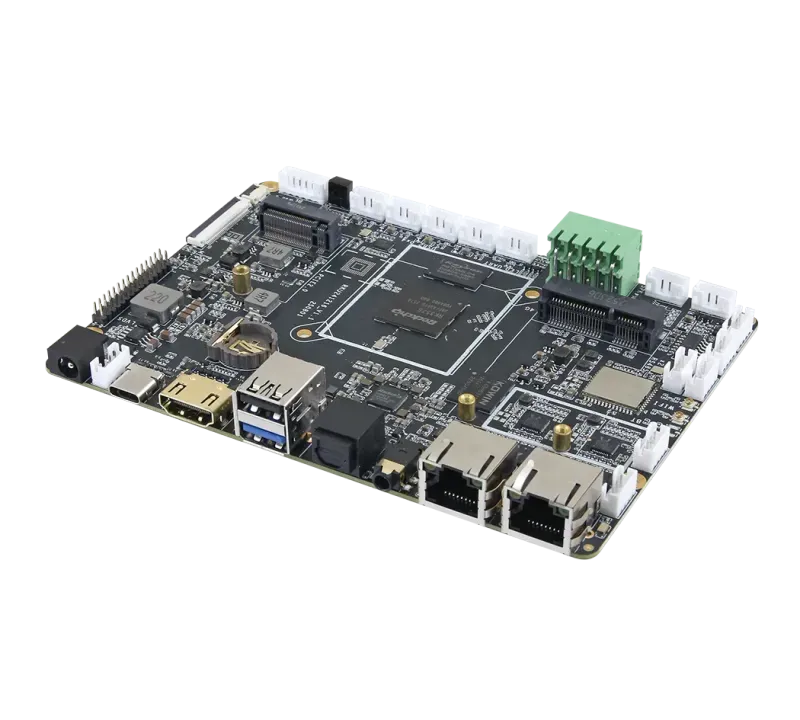
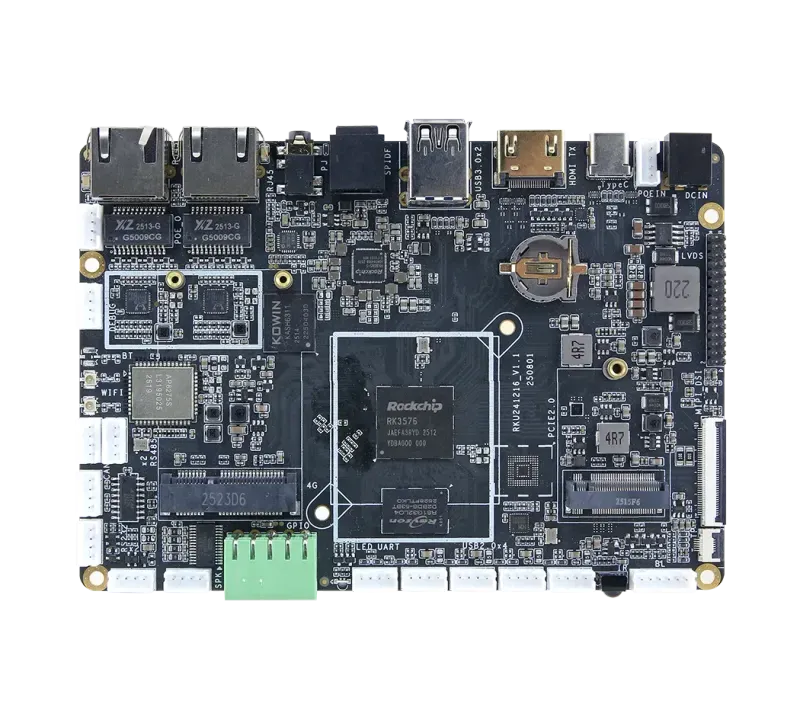
Der Avalue RSC-3576J ist ein ARM-basierter Single-Board-Computer (SBC) auf Basis des Rockchip RK3576 Prozessors, der einen Quad-Core Cortex-A72 mit einem Quad-Core Cortex-A53 kombiniert, für ein ausgewogenes Verhältnis von Leistung und Energieeffizienz in Embedded- und Edge-Anwendungen.
Er wird mit 4 GB LPDDR4-Arbeitsspeicher (erweiterbar auf 8 GB oder 16 GB) und 64 GB On-Board-eMMC-Speicher (konfigurierbar von 32 GB bis 256 GB) ausgeliefert, mit einem zusätzlichen M.2-Key-M-Steckplatz für eine NVMe/SATA-M.2-SSD.
Das Board unterstützt zwei unabhängige Displays über einen HDMI-Ausgang plus eine LVDS- oder MIPI-DSI-Panelschnittstelle und eignet sich damit hervorragend für HMI-, Kiosk- und Industriemonitor-Frontends.
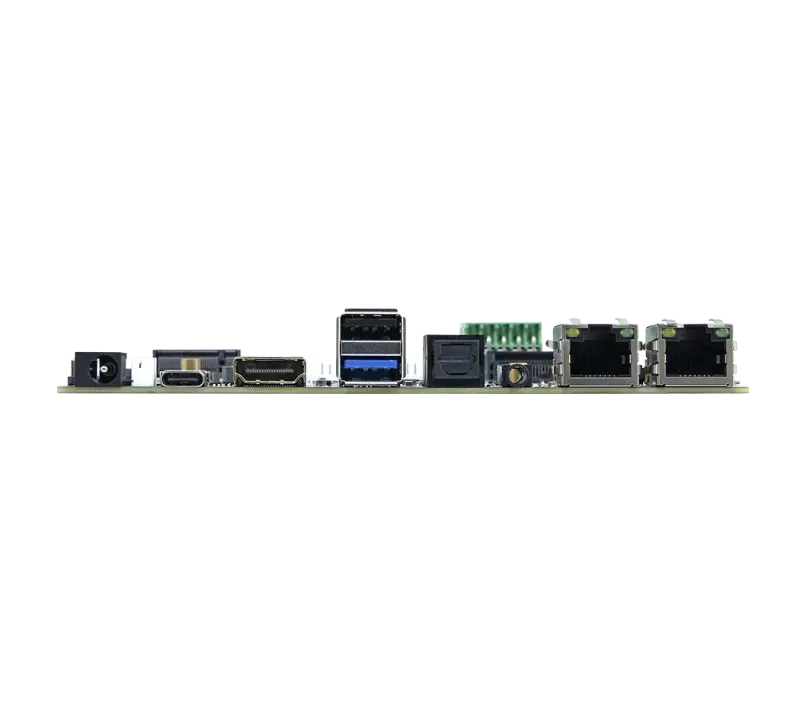
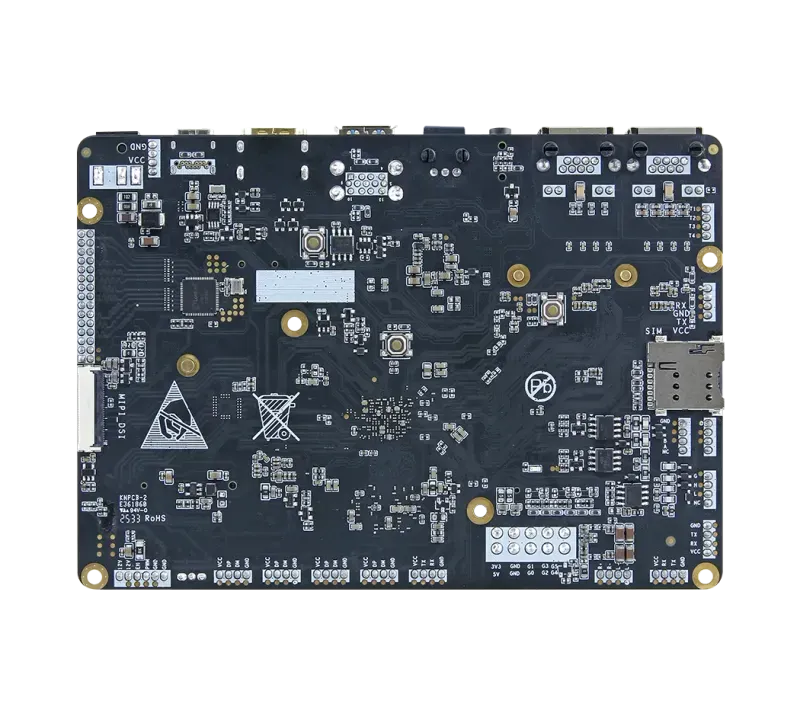
Die Konnektivität ist für einen SBC dieser Klasse umfangreich: zwei 10/100/1000M Gigabit-Ethernet-Ports, USB 3.0 Typ A, USB 2.0 Typ A und ein USB 3.0 Typ-C-Port (OTG), mehrere serielle Kanäle RS-232/RS-485, CAN-Bus, GPIO über Phoenix-Klemmen, UART- und I2C-Header sowie optional 802.11ax Wi-Fi mit Bluetooth 5.0 und ein optionales Mini-PCIe-LTE-Modul (EC25-EUX).
Mit einem weiten Eingangsbereich von DC 12~24V und einem Betriebstemperaturbereich von -40 °C bis 85 °C ist der RSC-3576J für den zuverlässigen Einsatz in anspruchsvollen Umgebungen der Industrieautomatisierung, Edge-KI, IoT-Gateways und Maschinensteuerung unter Linux Debian oder Android 13 ausgelegt.
Technische Daten
Was ist RSC-3576J?
The RSC-3576J is a industrie- und embedded-mainboard manufactured by Avalue, designed specifically for arm-based-sbc applications. It features display of Dual Display - 1 x HDMI out + LVDS or MIPI display, netzwerk of 2 x 100M/1000M Ethernet and betriebssystem of WiFi 2T2R 802.11 ax/ac/a/b/g/n (1 x IPEX) (option), Bluetooth 5.0. Der Avalue RSC-3576J ist ein ARM-basierter Single-Board-Computer (SBC) auf Basis des Rockchip RK3576 Prozessors, der einen Quad-Core Cortex-A72 mit einem Quad-Core Cortex-A53 kombiniert, für ein ausgewogenes Verhältnis von Leistung und Energieeffizienz in Embedded- und Edge-Anwendungen. Er wird mit 4 GB LPDDR4-Arbeitsspeicher (erweiterbar auf 8 GB oder 16 GB) und 64 GB On-Board-eMMC-Speicher (konfigurierbar von 32 GB bis 256 GB) ausgeliefert, mit einem zusätzlichen M.2-Key-M-Steckplatz für eine NVMe/SATA-M.2-SSD. Das Board unterstützt zwei unabhängige Displays über einen HDMI-Ausgang plus eine LVDS- oder MIPI-DSI-Panelschnittstelle und eignet sich damit hervorragend für HMI-, Kiosk- und Industriemonitor-Frontends. Die Konnektivität ist für einen SBC dieser Klasse umfangreich: zwei 10/100/1000M Gigabit-Ethernet-Ports, USB 3.0 Typ A, USB 2.0 Typ A und ein USB 3.0 Typ-C-Port (OTG), mehrere serielle Kanäle RS-232/RS-485, CAN-Bus, GPIO über Phoenix-Klemmen, UART- und I2C-Header sowie optional 802.11ax Wi-Fi mit Bluetooth 5.0 und ein optionales Mini-PCIe-LTE-Modul (EC25-EUX). Mit einem weiten Eingangsbereich von DC 12~24V und einem Betriebstemperaturbereich von -40 °C bis 85 °C ist der RSC-3576J für den zuverlässigen Einsatz in anspruchsvollen Umgebungen der Industrieautomatisierung, Edge-KI, IoT-Gateways und Maschinensteuerung unter Linux Debian oder Android 13 ausgelegt.
Wichtigste Merkmale & Vorteile
- Rockchip RK3576 Prozessor (Quad-Core Cortex-A72 + Quad-Core Cortex-A53)
- 4GB LPDDR4 Onboard-Arbeitsspeicher (8GB / 16GB optional)
- 64GB eMMC Massenspeicher (32GB ~ 256GB optional) + M.2 Key-M SSD-Steckplatz
- Zwei unabhängige Displays: 1 x HDMI + LVDS oder MIPI-DSI
- Dual 10/100/1000M Gigabit Ethernet
- USB 3.0 / USB 2.0 / USB 3.0 Type-C (OTG), RS-232, RS-485, CAN Bus, GPIO
- Optional 802.11ax Wi-Fi + Bluetooth 5.0; optional Mini-PCIe LTE (EC25-EUX)
- Weiter DC-Eingang 12 ~ 24V
- Erweiterter Betriebstemperaturbereich -40 °C bis 85 °C
- Betriebssystem-Unterstützung für Linux Debian und Android 13
Anwendungen & Einsatzbereiche
Das Modell RSC-3576J eignet sich ideal für vielfältige Anwendungen in der industriellen Automatisierung:
- DC-powered industrial installations and mobile applications
- Wireless connectivity and remote monitoring applications
- Legacy equipment integration and serial communication
- Networked industrial systems and data communication
- Peripheral device connectivity and data transfer
- Memory-intensive applications and multitasking
- Data logging and storage-intensive operations
- Interactive kiosk and self-service terminals