
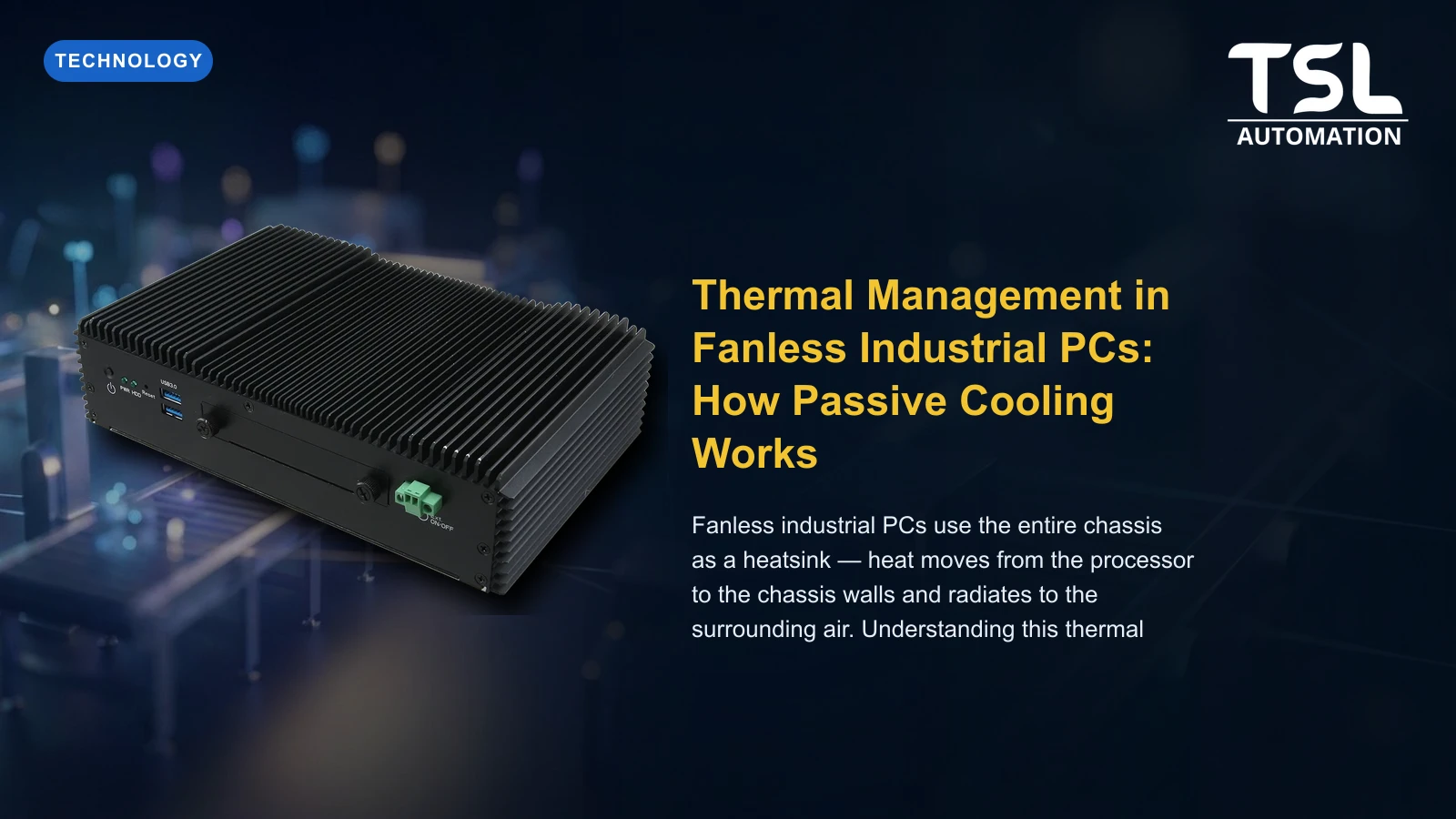
Gestion thermique des PC industriels sans ventilateur : le refroidissement passif
Sommaire
How Passive Cooling Works in Fanless PCs
In a fanless industrial PC, processor heat travels through a thermal interface material (TIM) to a copper or aluminium spreader plate, through heat pipes (in some designs) to the chassis walls, and then radiates and convects from the outer surface to the surrounding air. The entire chassis acts as a heatsink, external fins on the top and sides maximise surface area for heat dissipation.
TDP: The Critical Design Limit
Every fanless chassis has a maximum TDP (Thermal Design Power) rating, typically 15W, 25W, 35W, 45W, or 65W. The processor's TDP must not exceed the chassis rating, otherwise the processor will thermally throttle (reduce clock speed to reduce heat output) or, in extreme cases, trigger a thermal shutdown. Always match your processor TDP to the chassis specification.
Effect of Ambient Temperature
Passive cooling efficiency decreases as ambient temperature increases, there is less temperature differential between the chassis surface and the surrounding air. A fanless PC rated to 60°C ambient with a 35W processor may only be rated to 45°C with a 45W processor. Always check the thermal derating curves in the product datasheet.
Installation Best Practices
- Allow airflow around the chassis, do not install directly against a wall or inside a sealed enclosure without ventilation provisions
- Avoid stacking, do not stack multiple fanless PCs without spacing for heat dissipation
- Monitor ambient temperature, if control panel temperatures exceed rated ambient, add forced air cooling to the enclosure (not the PC itself)
- Orient fins correctly, if the chassis has fins, orient them vertically for maximum natural convection
Questions fréquentes
TSL Automation Solutions
Responsable marketing, TSL Automation Solutions
Sanjana couvre les tendances de l'automatisation industrielle, les lancements de produits et les analyses technologiques pour TSL Automation Solutions, distributeur basé à Mumbai d'IHM, de Panel PC et de systèmes informatiques embarqués au service des industriels en Inde et dans le monde.
Besoin d'aide pour choisir le bon produit ?
Notre équipe à Mumbai peut vous recommander l'IHM, le Panel PC ou le système embarqué adapté à votre application.
Contacter TSL AutomationProduits associés
Articles associés
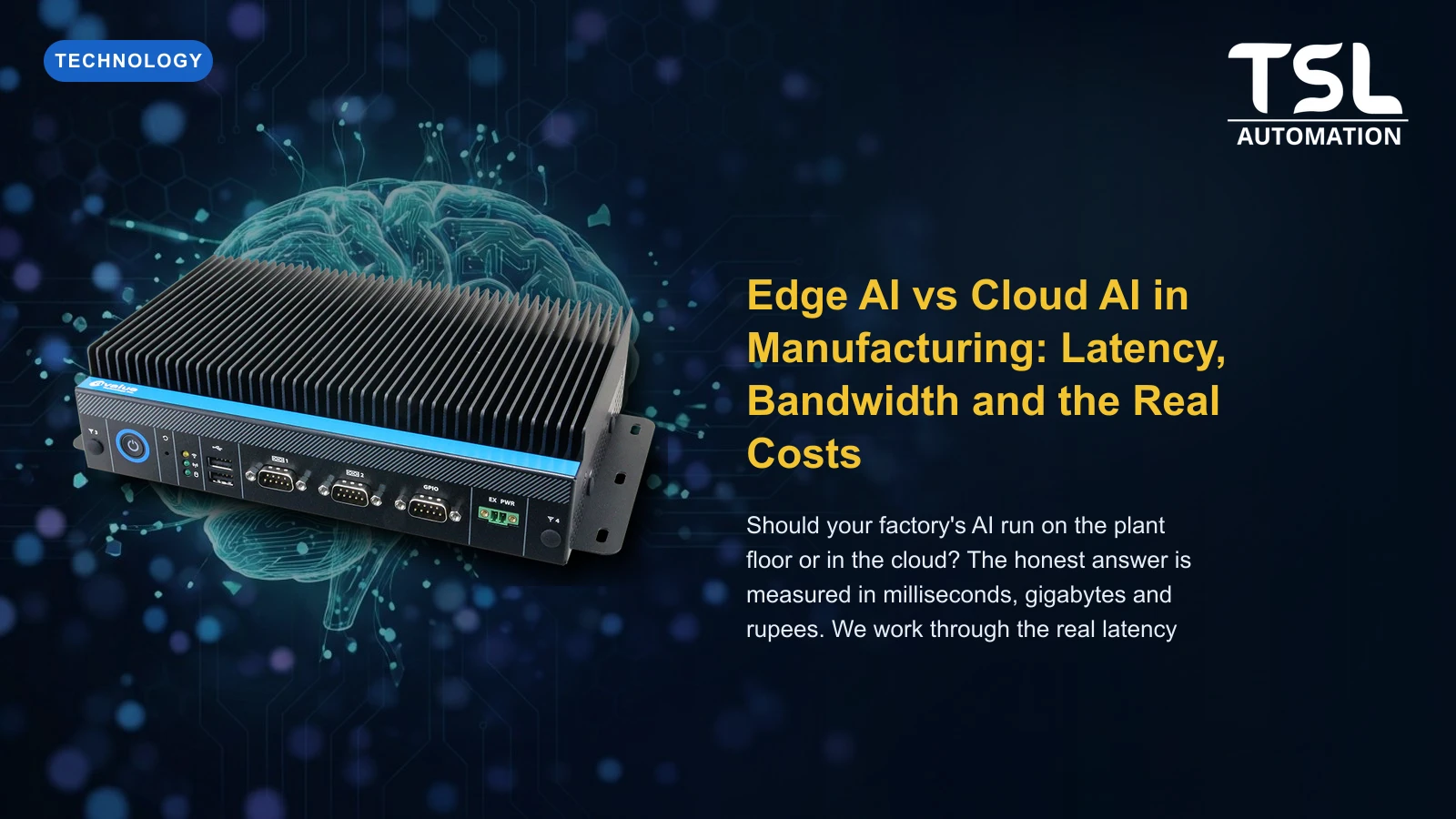
IA embarquée ou IA cloud dans l'industrie : latence, bande passante et coûts réels
17 août 2026
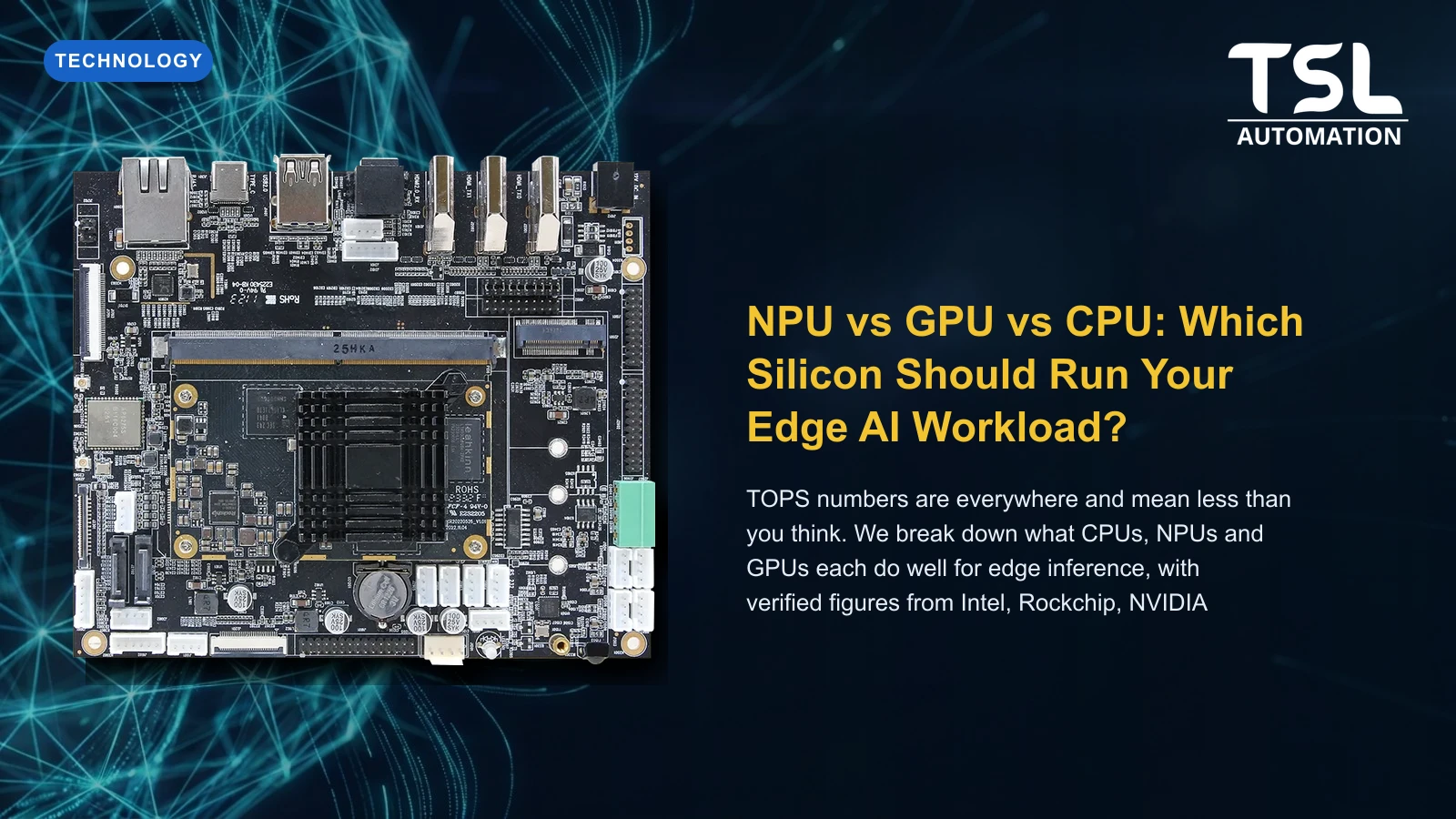
NPU, GPU ou CPU : quelle puce pour votre charge d'IA embarquée ?
17 août 2026
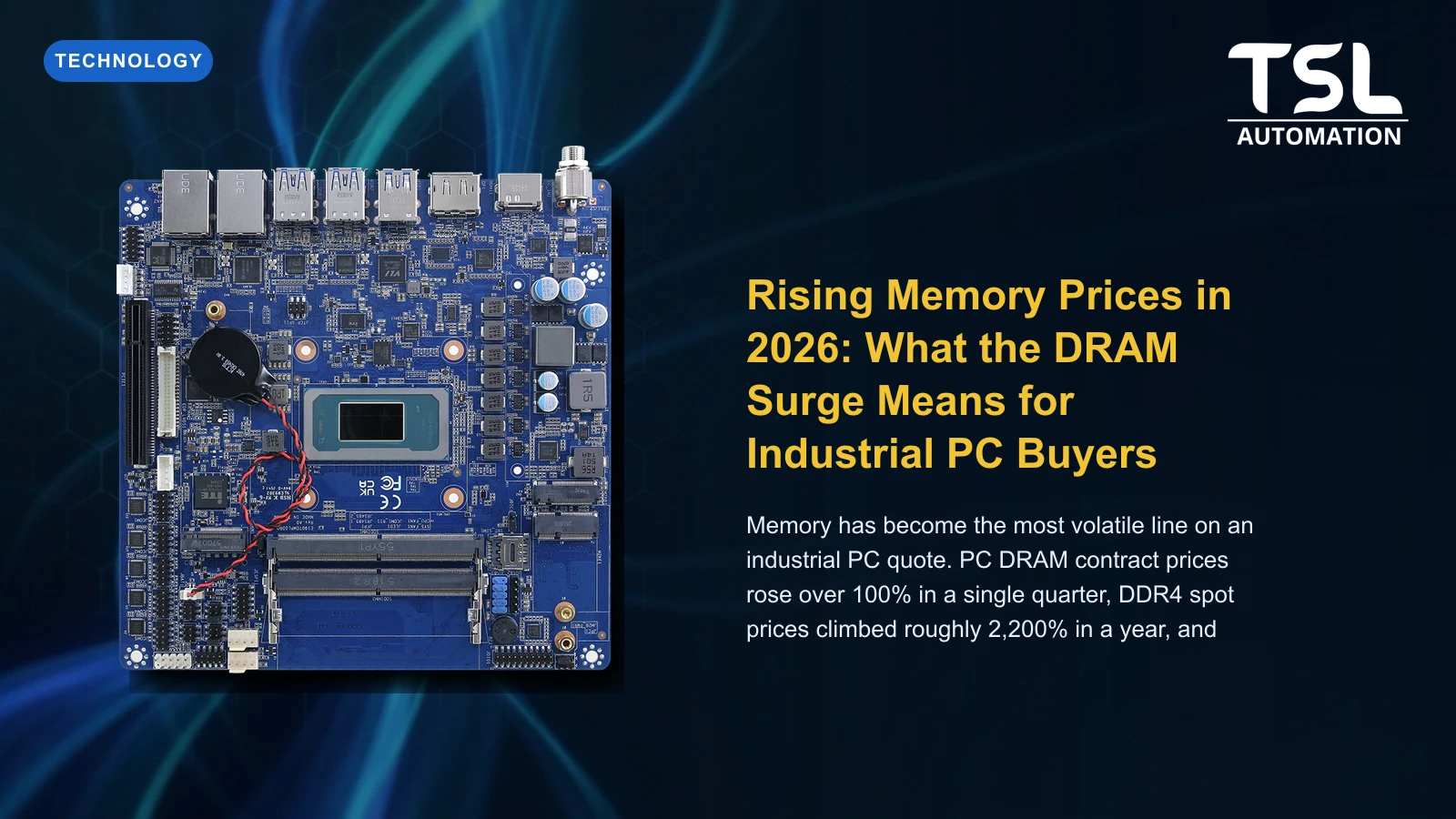
Flambée des prix de la mémoire en 2026 : ce que la hausse de la DRAM change pour les acheteurs
17 août 2026