Avalue · Sanità intelligente

MAB-T600
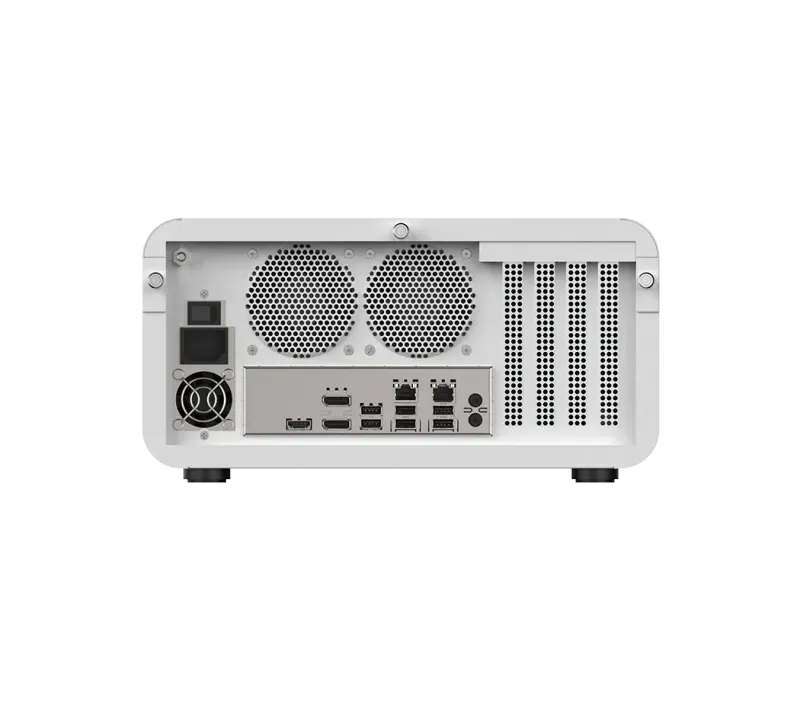
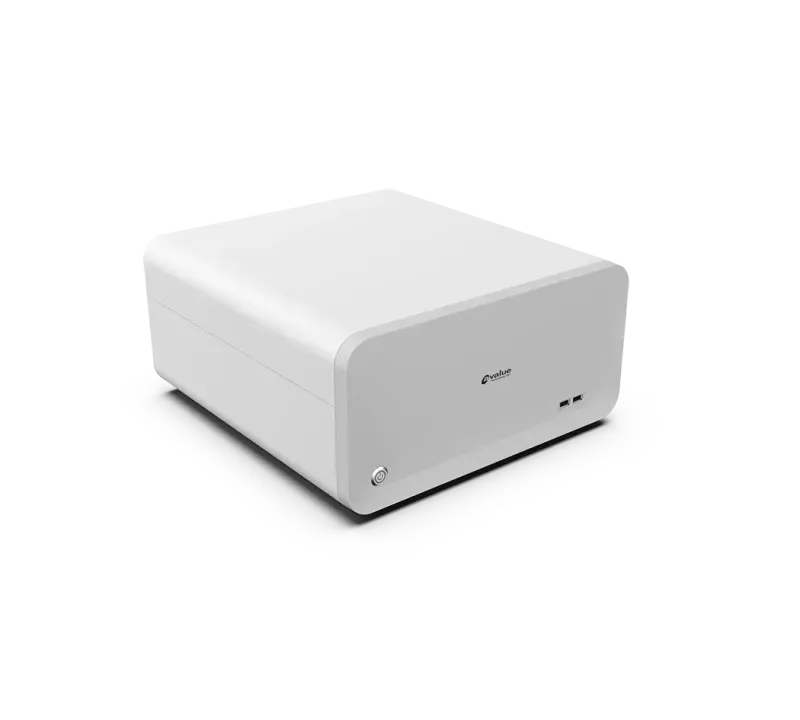
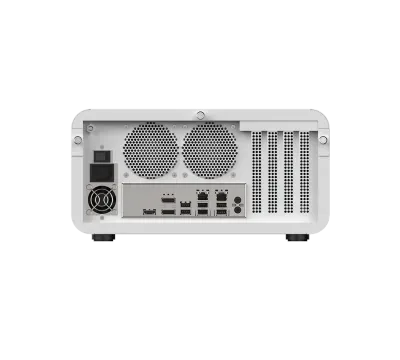
MAB-T600 vista frontaleMAB-T600 vista frontaleMAB-T600 vista frontale
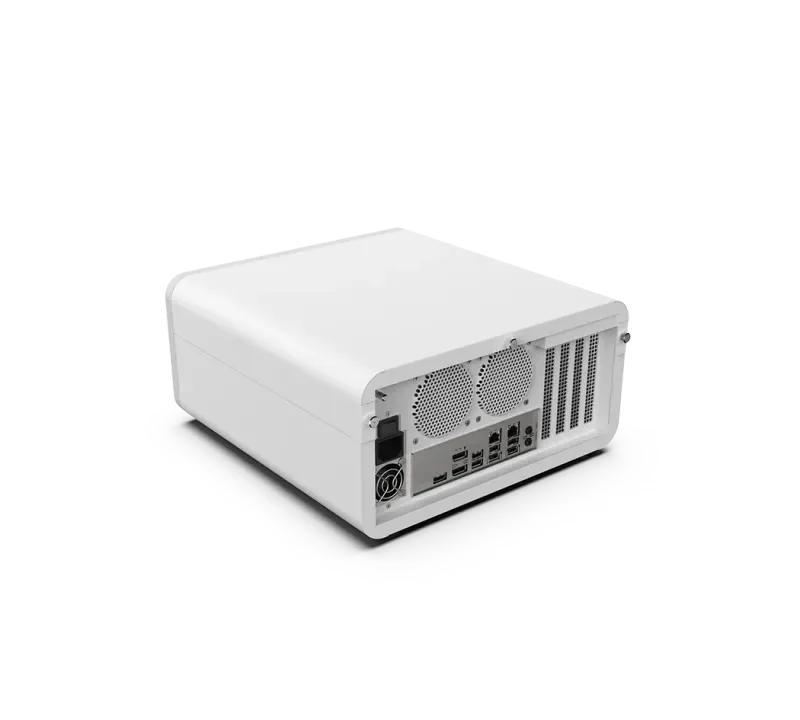
MAB-T600, Image 1MAB-T600, Image 2MAB-T600, Image 3
Scheda tecnica

*Prezzo su richiesta. Ci contatti per un preventivo.

Produttore: Avalue

In evidenza

  • 12/13th Generation Intel® Core™ i3/i5/i7/i9 Processors
  • Intel® H610E Chipset
  • 2-Memory Socket, Max. Up to 64GB DDR5 4800MHz/5600MHz
  • 1-HDMI, 2-DP++, 1-1Gigabit Ethernet,1-2.5 Gigabit Ethernet​
  • 4-USB 3.2 & 2-USB 2.0 at Rear, 2-USB at Front
  • 2-Storage, 2-2.5” Drive Bay, Optional 2-3.5” Drive Bay
  • 1-Gen 5 PCIe x16, 3-Gen 3 PCIe x1

Descrizione del prodotto

The Avalue MAB-T600-B1 is a high-performance medical AI box PC designed for healthcare environments. Supporting 12th/13th/14th Gen Intel® Core™ i9/i7/i5/i3 processors, it offers up to 128GB DDR5 ECC memory, multiple PCIe expansion slots, and support for four independent 4K displays.

With a 500W medical-grade PSU, IPX1 protection, and compliance with medical safety standards, it's ideal for AI-driven medical imaging, diagnostics, and telemedicine applications.

Specifiche tecniche

Processore

LGA 1700 Socket supports 12th Gen Alder Lake/ 13th Gen Raptor Lake Intel® Core™ i 9/7/5/3, Pentium, Celeron Processor up to 16 Cores 24 Threads Hybrid

Platform Controller Hub

Intel® H610E PCH

Memoria di sistema

2 x DIMM slots support Dual Channel DDR5 memory speed up to 4800/5600MHz (CPU dependent) with UDIMM, up to 64GB

BIOS

Socket type 256Mb SPI BIOS

Watchdog timer

H/W Reset, 5~255 seconds/5~255 minutes

Monitoraggio dello stato hardware

CPU temperature monitoring, voltages monitoring, CPU fan speed control

TPM

Support onboard TPM 2.0

SBC

RX610H

M.2

1 x M.2 M-Key 2242/2280/22110 NVMe (PCIe x4 + SATA III)

1 x M.2 E-Key 2230 with CNVi support (PCIe x 1 share with slot4 + USB 2.0)

PCIe

1 x Gen 5 PCIe x16 (x16 physical black) (slot 1)

1 x Gen 3 PCIe x1 (x4 physical open ended) (slot 2)

2 x Gen 3 PCIe x1 (x16 physical yellow) (slot 3 & 4)

GPU compatibili

Supports up to NVIDIA RTX 4000Ada(Optional)

Archiviazione

2 x 2.5” SATAIII HDD/SSD drive

(2 x 3.5” SATAIII HDD/SSD drive as option)

Chipset grafico

Intel® Integrated UHD Graphic with Xe Architecture (CPU dependent)

Specifiche e risoluzione

DP 1.4a (Max. Resolution: 3840X2160@60Hz)

HDMI 2.0b (Max. Resolution: 3840X2160@60Hz)

Display multipli

Supports 3 independent display

Codec audio

Realtek HD audio

Amplificatore audio

6W Per Channel Amplifier

Unità di alimentazione

500W medical 1U ATX power supply

Modalità di alimentazione

AT/ATX mode (default: ATX mode)

Chipset LAN

LAN1: Intel® I219-V ethernet controller

LAN2: Intel® I225-LM ethernet controller

OS

Win 10, Win 11, Linux

Informazioni sulle certificazioni

ANSI AAMI ES60601-1:2005/A2: 2021 3.2.

CAN/CSA-C22.2 NO. 6060101 :14/A2:22 3.2.

IEC 60601-1:2005/A1:2012/A2:2020 3.2.

IEC 60601-1-2:2014/A1: 2020 4.1.

IEC 62368-1: 2018 3.0.

IEC 60601-1-6 : 2010/A1: 2013/A2: 2020 3.2.

EN 60601-1:2006+A2:2021.

EN 60601-1-2: 2015+A1:2021.

EN IEC 62368-1: 2020+A11:2020.

BS EN 60601-1: 2006+A2: 2021.

BS EN 60601-1-2: 2015+A1:2021.

BS EN IEC 62368-1 :2020+A11:2020.

47CFR FCC part 15 subpart B.

ICES-003 issue 7 Oct. 2020.

ISO 14971 3rd edition, December 2019.

USB

2 x USB 2.0 (front I/O)

2 x USB 2.0 type A

4 x USB 3.2 type A

LAN

2 x RJ45

Audio

Line-out, Mic-in

Display

1 x HDMI

2 x DP++

Temp. di esercizio

0°C ~ 40°C (32°F ~ 104°F)

Temp. di stoccaggio

-30°C ~ 70°C (-22°F ~ 158°F)

Umidità di esercizio

40°C @ 95% Relative humidity, non-condensing

Dimensioni (L x P x A).

330 x 344 x 160 mm

Peso

7 kg

Test di vibrazione

Operating with SSD : 0.5 Grms, IEC 60068-2-64, 5 ~ 500Hz, 0.5hr/axis

Test di urto

With SSD : 10 Grms, IEC 60068-2-27, half sine, 11ms

Test di caduta

One corner, three edges, six faces

ISTA 2A, IEC-60068-2-32

Grado di protezione IP

IPX1 grade protection

Colore

White

Costruzione

Metal + plastic

Informazioni per l'ordine

MAB-T600-A1-1R STD Chassis Kit with RX610H MB & PSU & CPU Fan

RCC-GPU-T1000-01R GPU NVIDIA T1000 8GB graphic card

RCC-GPU-RTXADA-01R NVIDIA RTX2000 ADA

RCC-GPU-RTXADA-02R NVIDIA RTX4000 ADA

RCC-CAP-PCIE-01R SC710N2-L HDMI Capture Card

RCC-CAP-PCIE-02R SC400N4 HDMI Capture Card

RCC-CAP-PCIE-04R SC400N2-L HDMI Capture Card

RCC-CAP-PCIE-05R SC410N4 HDMI Capture Card

RCC-LAN-PCIE-01R Intel 82574 LAN Card​

RCC-LAN-PCIE-02R Intel I350AM2 LAN Card

RCC-POE-PCIE-01R Intel I210 PoE Card​

RCC-POE-PCIE-02R Intel I350 PoE Card​

RCC-WIFI-M2BT-01R Intel WIFI module with kits

RCC-WIFI-PCIE-01R WiFI set ENL-5400PCI

Che cos'è MAB-T600?

The MAB-T600 is a sanità intelligente manufactured by Avalue, designed specifically for ai-pc-and-data-gateway applications. It features processore of LGA 1700 Socket supports 12th Gen Alder Lake/ 13th Gen Raptor Lake Intel® Core™ i 9/7/5/3, Pentium, Celeron…, display of Supports 3 independent display and rete of LAN1: Intel® I219-V ethernet controller, LAN2: Intel® I225-LM ethernet controller. The Avalue MAB-T600-B1 is a high-performance medical AI box PC designed for healthcare environments. Supporting 12th/13th/14th Gen Intel® Core™ i9/i7/i5/i3 processors, it offers up to 128GB DDR5 ECC memory, multiple PCIe expansion slots, and support for four independent 4K displays. With a 500W medical-grade PSU, IPX1 protection, and compliance with medical safety standards, it's ideal for AI-driven medical imaging, diagnostics, and telemedicine applications.

Caratteristiche e vantaggi principali

  • 12/13th Generation Intel® Core™ i3/i5/i7/i9 Processors
  • Intel® H610E Chipset
  • 2-Memory Socket, Max. Up to 64GB DDR5 4800MHz/5600MHz
  • 1-HDMI, 2-DP++, 1-1Gigabit Ethernet,1-2.5 Gigabit Ethernet​
  • 4-USB 3.2 & 2-USB 2.0 at Rear, 2-USB at Front
  • 2-Storage, 2-2.5” Drive Bay, Optional 2-3.5” Drive Bay
  • 1-Gen 5 PCIe x16, 3-Gen 3 PCIe x1

Applicazioni e casi d'uso

MAB-T600 è ideale per diverse applicazioni di automazione industriale:

  • High-performance computing and data processing tasks
  • Networked industrial systems and data communication
  • Peripheral device connectivity and data transfer
  • Memory-intensive applications and multitasking
  • Data logging and storage-intensive operations
  • Healthcare and medical device integration
  • Industrial automation and control
  • Manufacturing process monitoring

Domande frequenti