
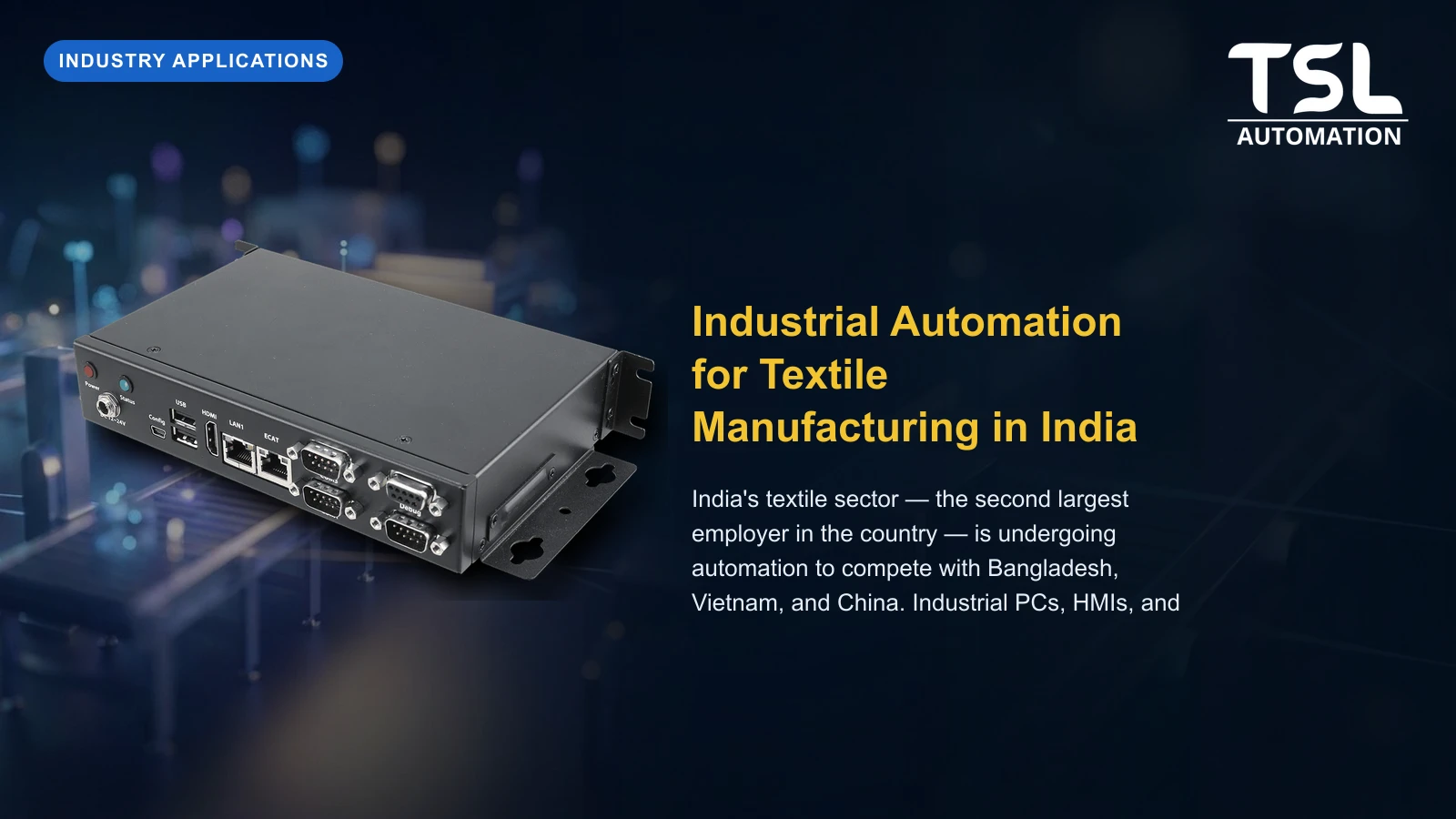
Automatyka przemysłowa dla produkcji tekstyliów w Indiach
Spis treści
Why Textile Automation Matters for India
India's textile and apparel sector contributes ~7% of industrial output and employs 45 million people. Competing with lower-cost producers in Bangladesh and Vietnam requires Indian mills to reduce defect rates, improve yield, and increase output per loom or spindle, all achievable through automation. Government incentives under the PLI scheme for textiles (₹10,683 crore) are accelerating investment.
Key Automation Applications
- Loom monitoring, real-time stops, picks per minute, and efficiency tracking across hundreds of looms
- Spindle monitoring, spinning mill production data collection from ring frames, open-end, and air-jet machines
- Fabric inspection, camera-based vision systems detecting weave defects, holes, and colour inconsistencies
- Dye house process control, temperature, pH, and liquor ratio control for batch dyeing
- Energy monitoring, per-machine power consumption tracking for energy efficiency projects
Environmental Challenges for Industrial PCs in Textile Plants
Textile plants have high fibre and lint contamination, a standard PC fan ingests fibres and fails within weeks. Fanless, sealed industrial PCs from Avalue are essential. Humidity from wet processing areas (dyeing, washing, finishing) requires IP65-rated equipment or appropriate enclosures.
TSL Automation for Indian Textile Manufacturers
TSL Automation has supplied industrial PCs and HMIs to textile manufacturers across India's major textile clusters, Surat, Tiruppur, Coimbatore, Bhilwara, and Panipat. Contact us for textile-specific automation hardware recommendations.
Często zadawane pytania
TSL Automation Solutions
Dyrektor marketingu, TSL Automation Solutions
Sanjana pisze o trendach w automatyce przemysłowej, premierach produktów i nowych technologiach dla TSL Automation Solutions, dystrybutora paneli HMI, paneli PC i systemów wbudowanych z siedzibą w Mumbaju, obsługującego producentów w Indiach i na całym świecie.
Potrzebna pomoc w wyborze właściwego produktu?
Nasz zespół w Mumbaju doradzi odpowiedni panel HMI, panel PC lub system wbudowany do Państwa zastosowania.
Kontakt z TSL AutomationPowiązane produkty
Powiązane artykuły
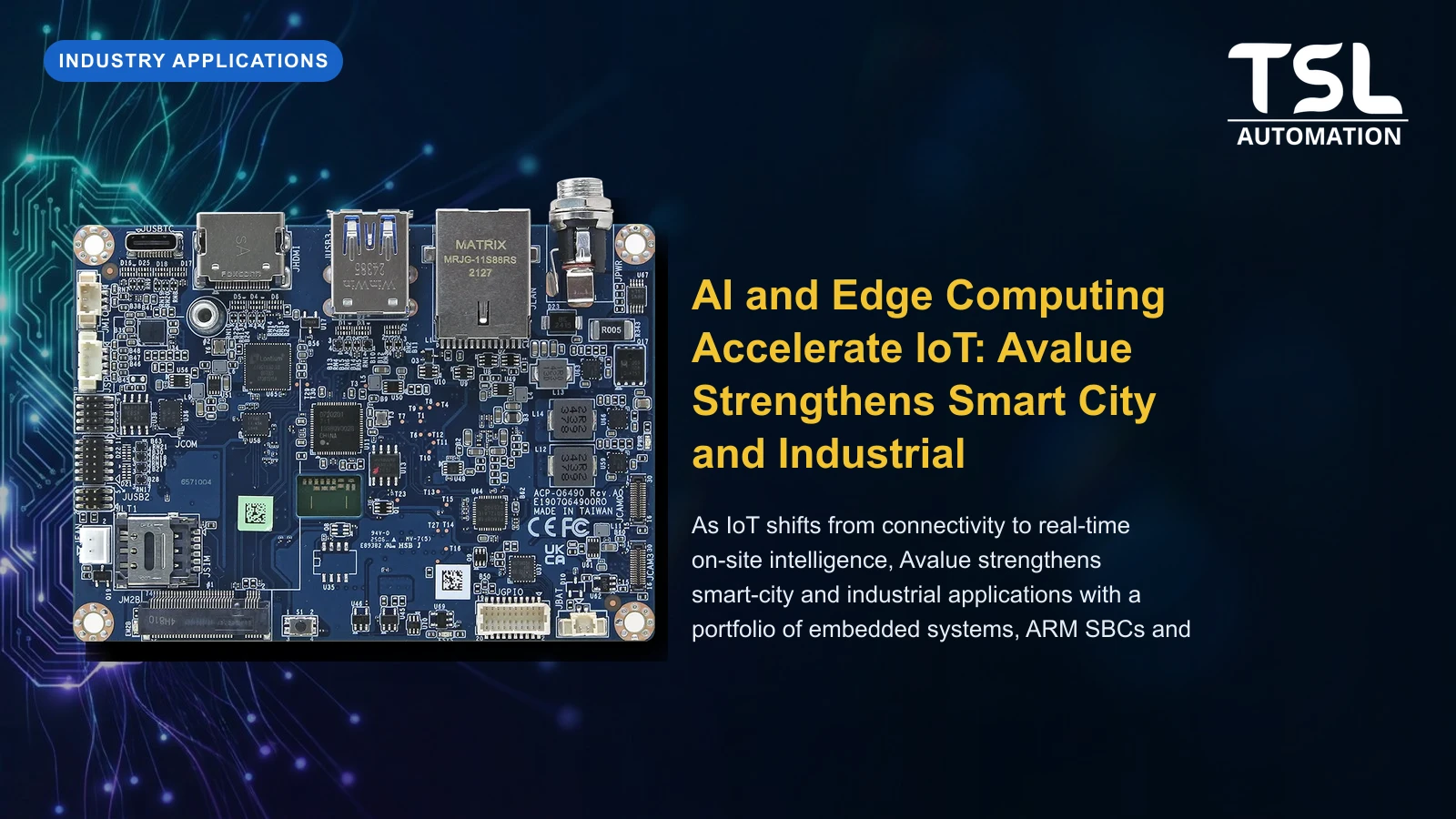
AI i edge computing przyspieszają IoT: Avalue wzmacnia smart city i przemysł
19 maj 2026
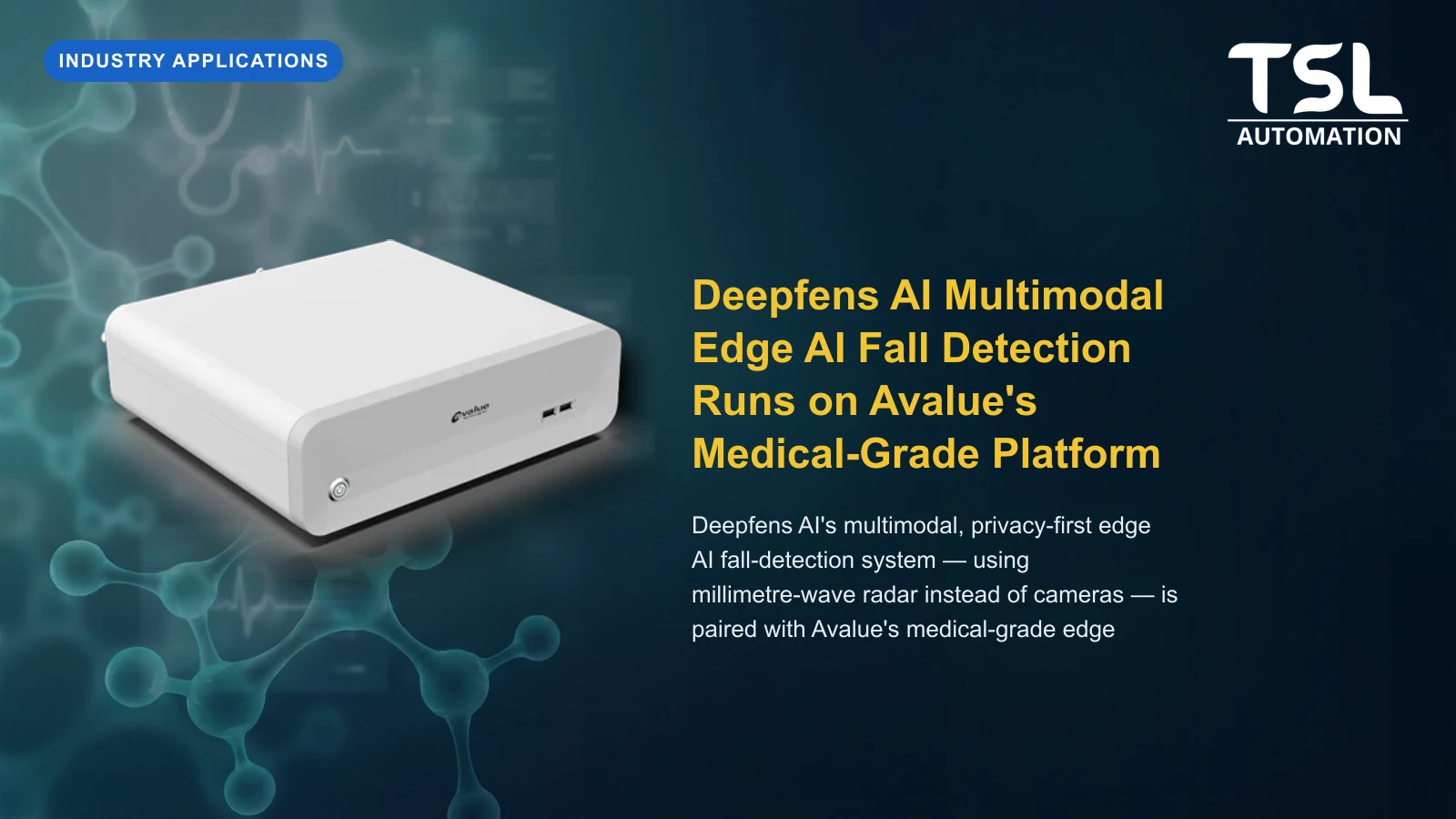
Multimodalne wykrywanie upadków Deepfens AI na platformie medycznej Avalue
19 maj 2026
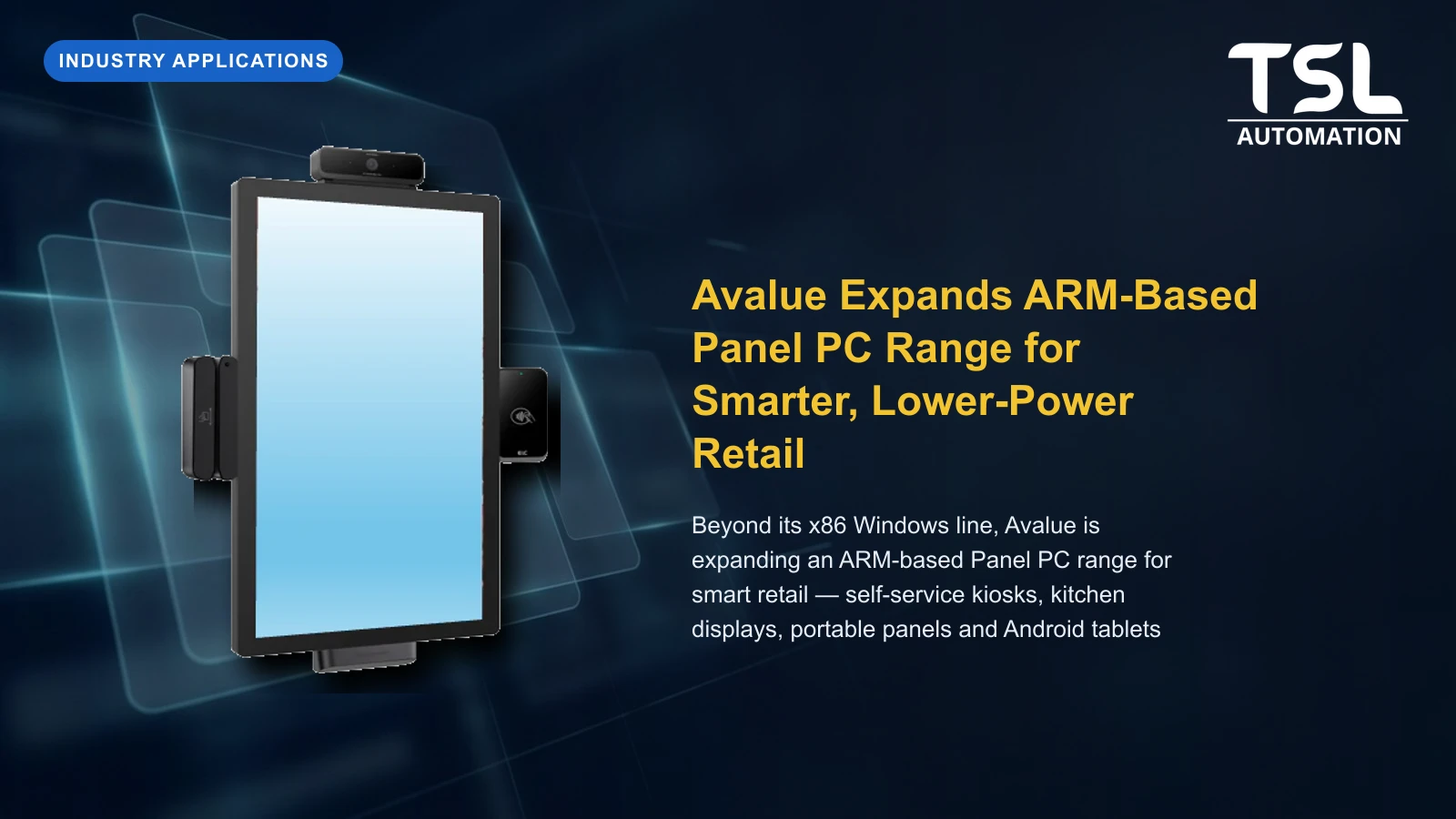
Avalue rozszerza ofertę paneli PC na ARM dla energooszczędnego handlu
18 maj 2026