
Avalue · Przemysłowa i wbudowana płyta główna
RSC-3568J
*Cena na zapytanie. Prosimy o kontakt w sprawie wyceny.
Najważniejsze informacje
- Rockchip RK3568J Quad-Core Cortex-A55 1.8GHz
- Fanless operation from -40°C ~ +85°C
- Support LCD Interface LVDS/MIPI/eDP
- 4GB LPDDR4 / 64GB eMMC
- Dual Gigabit Ethernet
- 2 x CAN, 1 x 16-bit GPIO
- M.2 Key E (2230, USB 2.0, supports Wi-Fi Module)
- M.2 Key B (3042, SATA3 / USB 2.0, support SSD/LTE Module)
Opis produktu
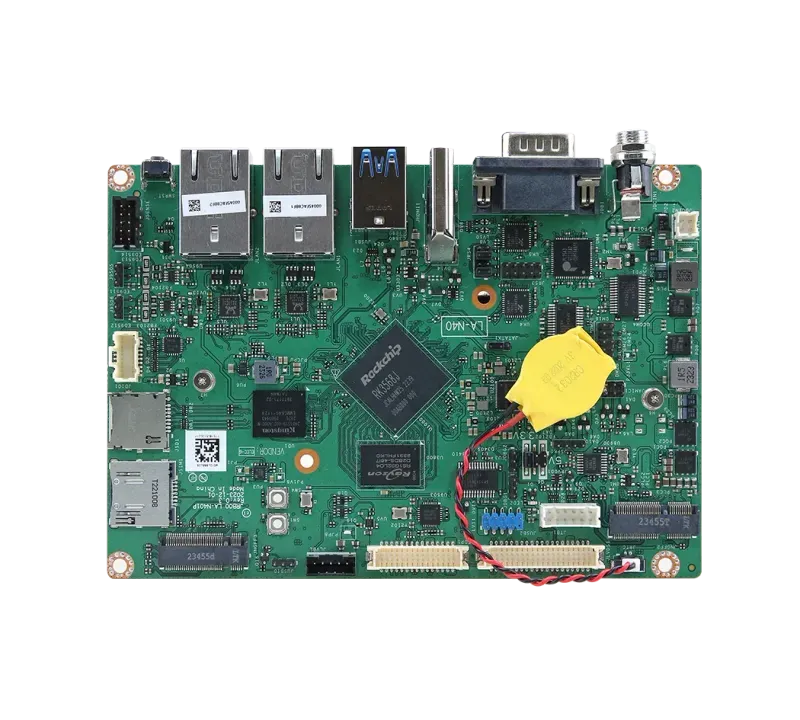
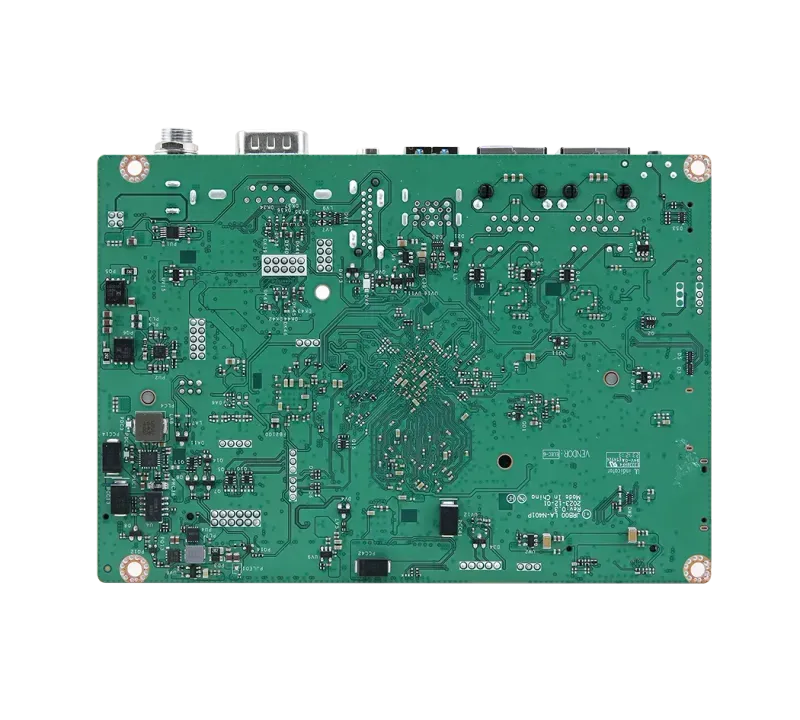
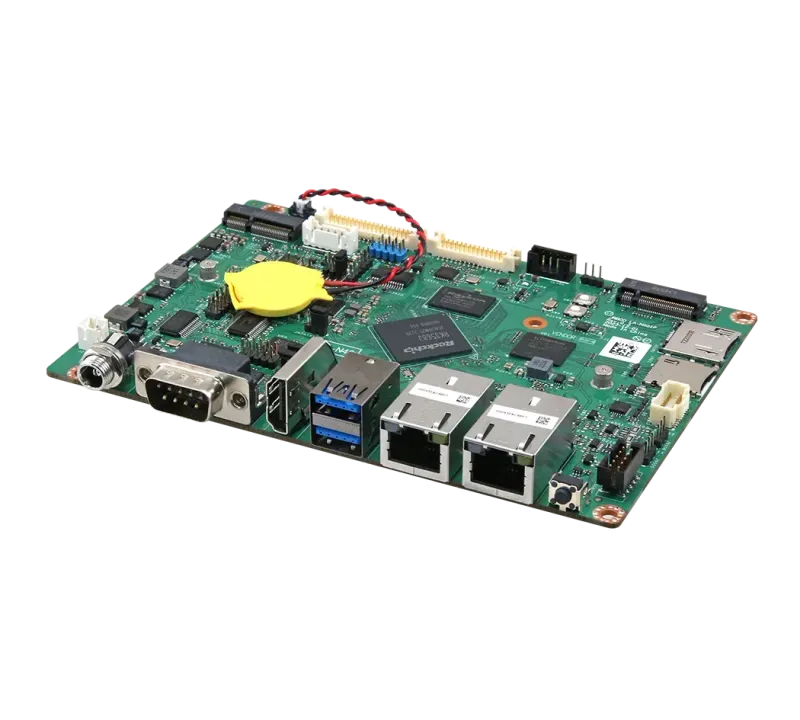
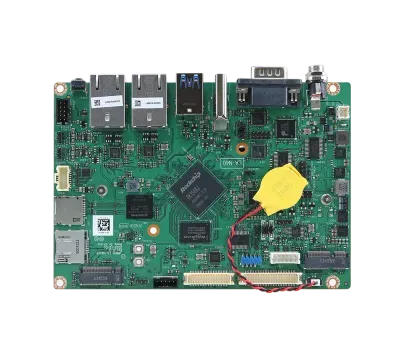
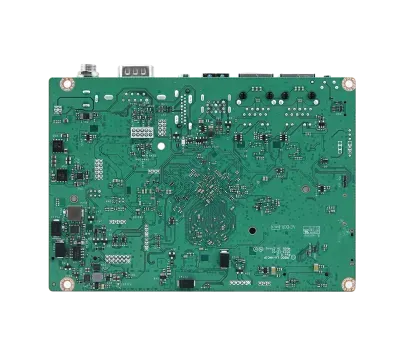
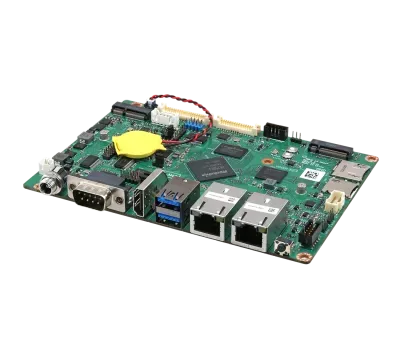
The Avalue RSC-3568J is a rugged 3.5-inch ARM-based SBC powered by Rockchip RK3568J Quad-Core Cortex-A55 CPU.
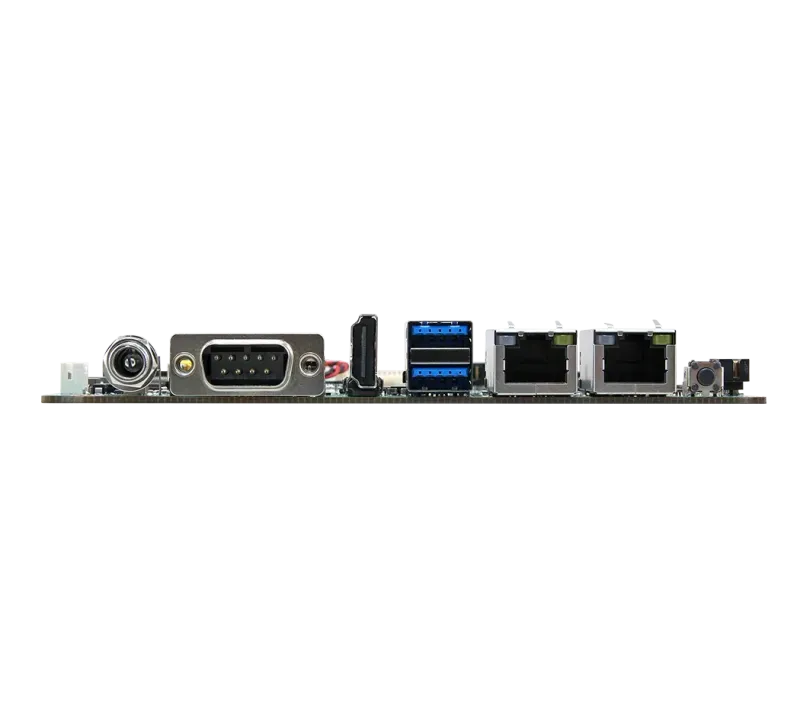
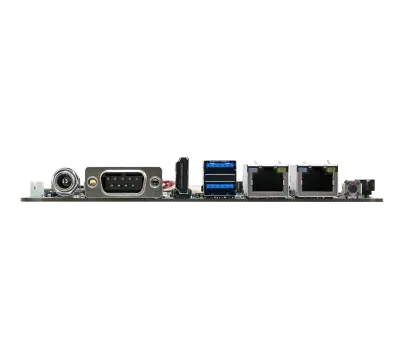
Featuring 4GB LPDDR4 memory, 64GB eMMC storage, dual Gigabit Ethernet ports, M.2 expansion slots, and multi-display support with HDMI, LVDS, MIPI and eDP, it is ideal for industrial IoT, smart displays, and embedded applications.
Dane techniczne
Czym jest RSC-3568J?
The RSC-3568J is a przemysłowa i wbudowana płyta główna manufactured by Avalue, designed specifically for arm-based-sbc applications. It features sieć of 10/100/1000 Base-Tx GbE compatible and system operacyjny of Android 13, Debian 11. The Avalue RSC-3568J is a rugged 3.5-inch ARM-based SBC powered by Rockchip RK3568J Quad-Core Cortex-A55 CPU. Featuring 4GB LPDDR4 memory, 64GB eMMC storage, dual Gigabit Ethernet ports, M.2 expansion slots, and multi-display support with HDMI, LVDS, MIPI and eDP, it is ideal for industrial IoT, smart displays, and embedded applications.
Najważniejsze cechy i korzyści
- Rockchip RK3568J Quad-Core Cortex-A55 1.8GHz
- Fanless operation from -40°C ~ +85°C
- Support LCD Interface LVDS/MIPI/eDP
- 4GB LPDDR4 / 64GB eMMC
- Dual Gigabit Ethernet
- 2 x CAN, 1 x 16-bit GPIO
- M.2 Key E (2230, USB 2.0, supports Wi-Fi Module)
- M.2 Key B (3042, SATA3 / USB 2.0, support SSD/LTE Module)
Zastosowania i przykłady użycia
Model RSC-3568J doskonale sprawdza się w różnych zastosowaniach automatyki przemysłowej:
- Dust-sensitive environments and silent operation requirements
- Wireless connectivity and remote monitoring applications
- Networked industrial systems and data communication
- Peripheral device connectivity and data transfer
- Memory-intensive applications and multitasking
- Data logging and storage-intensive operations
- Internet of Things (IoT) and edge computing
- Visual monitoring and data display systems