
Avalue · Industrial & Embedded Motherboard
EPM-1602
*Price on request. Contact us for a quote.
Highlights
Product Description
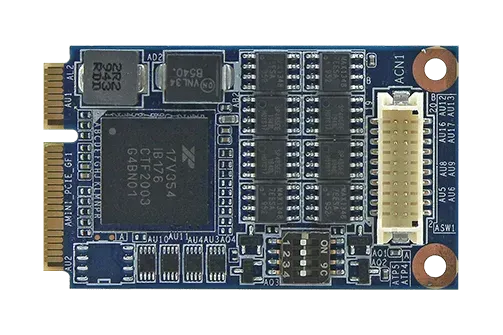
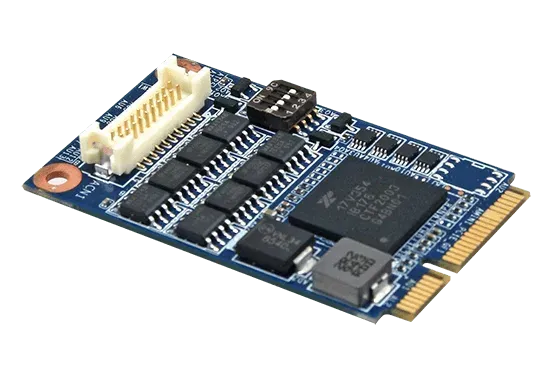
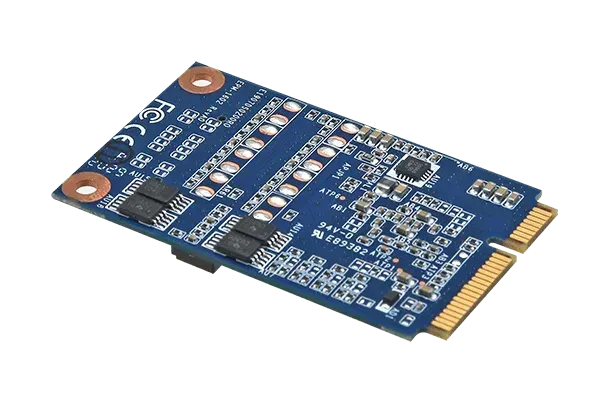
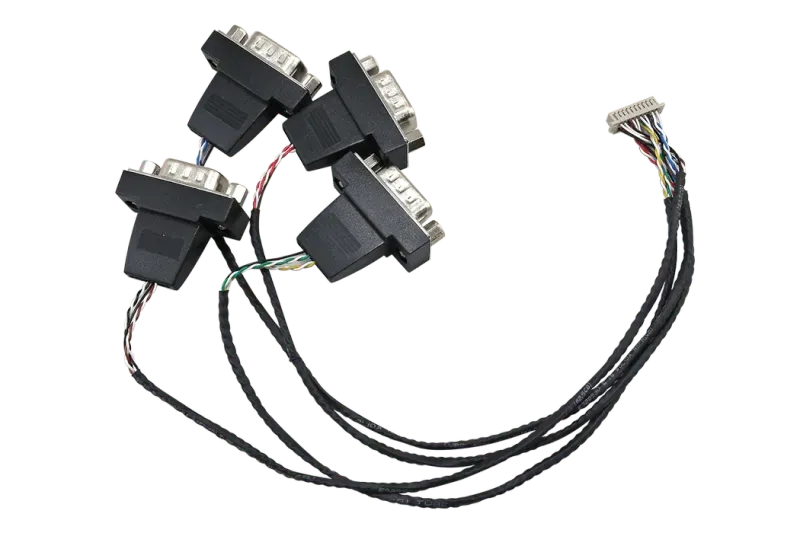
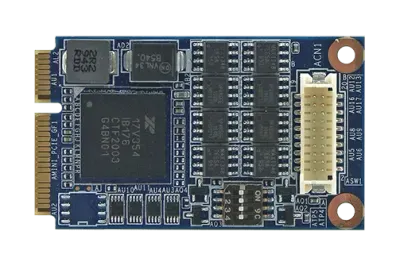
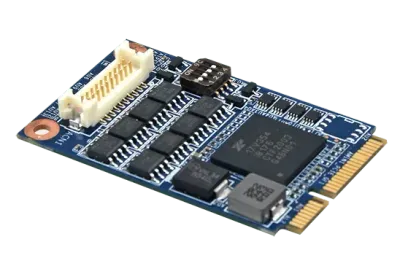
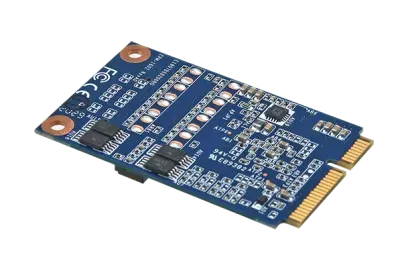
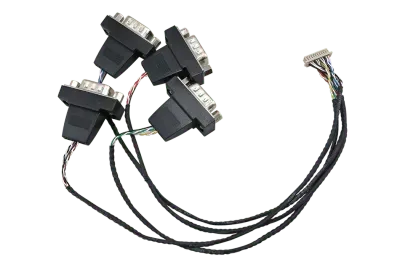
The Avalue EPM-1602 is a USB to 4-port RS-232/422/485 module designed for industrial and embedded applications. It provides four serial ports via a single USB 2.0 interface, facilitating seamless connectivity for multiple serial devices.
The module operates within a wide temperature range of -40°C to +85°C and features a compact design measuring 142mm x 40mm. With vibration resistance of 5G @ 5~500Hz and shock resistance of 10G @ 11ms, the EPM-1602 ensures reliable performance in harsh environments.
Compatible with Windows 7/10 and Linux, it's an excellent choice for industrial automation, transportation, and manufacturing systems.
Technical Specifications
What is EPM-1602?
The EPM-1602 is a industrial & embedded motherboard manufactured by Avalue, designed specifically for motherboard-embedded-peripheral applications. It features storage of -40~+85°C, os of Windows 7/10 and Linux and power of 3.3V±5%. The Avalue EPM-1602 is a USB to 4-port RS-232/422/485 module designed for industrial and embedded applications. It provides four serial ports via a single USB 2.0 interface, facilitating seamless connectivity for multiple serial devices. The module operates within a wide temperature range of -40°C to +85°C and features a compact design measuring 142mm x 40mm. With vibration resistance of 5G @ 5~500Hz and shock resistance of 10G @ 11ms, the EPM-1602 ensures reliable performance in harsh environments. Compatible with Windows 7/10 and Linux, it's an excellent choice for industrial automation, transportation, and manufacturing systems.
Key Features & Benefits
Features information coming soon.
Applications & Use Cases
The EPM-1602 is ideal for various industrial automation applications:
- Manufacturing and production line applications
- Custom industrial computing solutions
- Industrial and embedded applications
- Transportation and logistics systems
- Industrial automation platforms
- Embedded system development
- Control system integration