
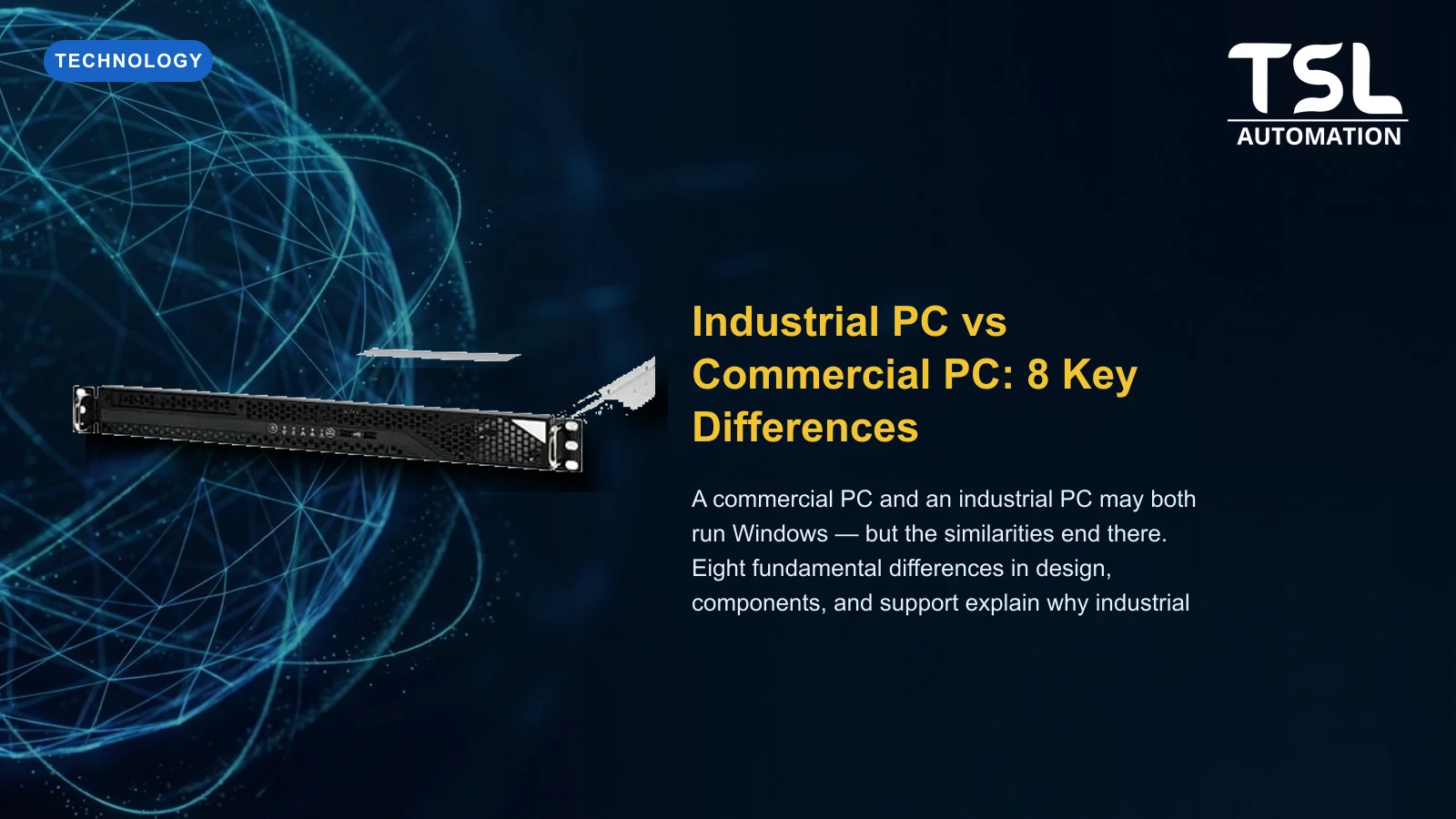
PC industriel ou PC grand public : 8 différences clés
Sommaire
1. Operating Temperature
Commercial PCs: 0°C, 35°C. Industrial PCs: 0°C, 60°C standard, with wide-temperature models to −40°C, 85°C. India's climate, from cold northern winters to hot foundry floors and outdoor installations in Rajasthan, makes extended temperature ratings essential.
2. Fanless Cooling
Commercial PCs use fans that ingest factory dust, fail from vibration, and require regular maintenance. Industrial PCs use passive heatsink cooling with no moving parts, sealed chassis with no ingress paths.
3. Industrial I/O
Industrial PCs include COM ports (RS-232/422/485), GPIO, CAN bus, and isolated I/O for connecting to PLCs, drives, and sensors. Commercial PCs have only USB, HDMI, and audio, useless for direct field device connectivity.
4. Vibration and Shock Rating
Industrial PCs are tested to IEC 60068 vibration and shock standards. They use solid-state storage with no moving parts, locking connectors, and conformal-coated PCBs. Commercial PCs are not designed for vibration, HDDs fail rapidly, connectors work loose.
5. Product Lifecycle (5 à 10 Years)
A consumer laptop is discontinued in 12 à 18 months. Industrial platforms are maintained in production for 5 à 10 years, critical for manufacturing lines where downtime for a platform redesign is unacceptable.
6. 24/7 Operation Rating
Industrial PCs are designed and stress-tested for continuous 24/7 operation. Commercial PCs are rated for office hours use only.
7. Wide Voltage Input
Industrial PCs accept 9 à 36V DC or 18 à 75V DC input, tolerating the voltage fluctuations common in Indian industrial power supplies. Commercial PCs require clean 230V AC power.
8. Certifications
Industrial PCs carry CE, FCC, RoHS, and often UL/cUL certifications for industrial environments. Commercial products are not certified for industrial installations and may not comply with plant safety requirements.
Questions fréquentes
TSL Automation Solutions
Responsable marketing, TSL Automation Solutions
Sanjana couvre les tendances de l'automatisation industrielle, les lancements de produits et les analyses technologiques pour TSL Automation Solutions, distributeur basé à Mumbai d'IHM, de Panel PC et de systèmes informatiques embarqués au service des industriels en Inde et dans le monde.
Besoin d'aide pour choisir le bon produit ?
Notre équipe à Mumbai peut vous recommander l'IHM, le Panel PC ou le système embarqué adapté à votre application.
Contacter TSL AutomationProduits associés
Articles associés
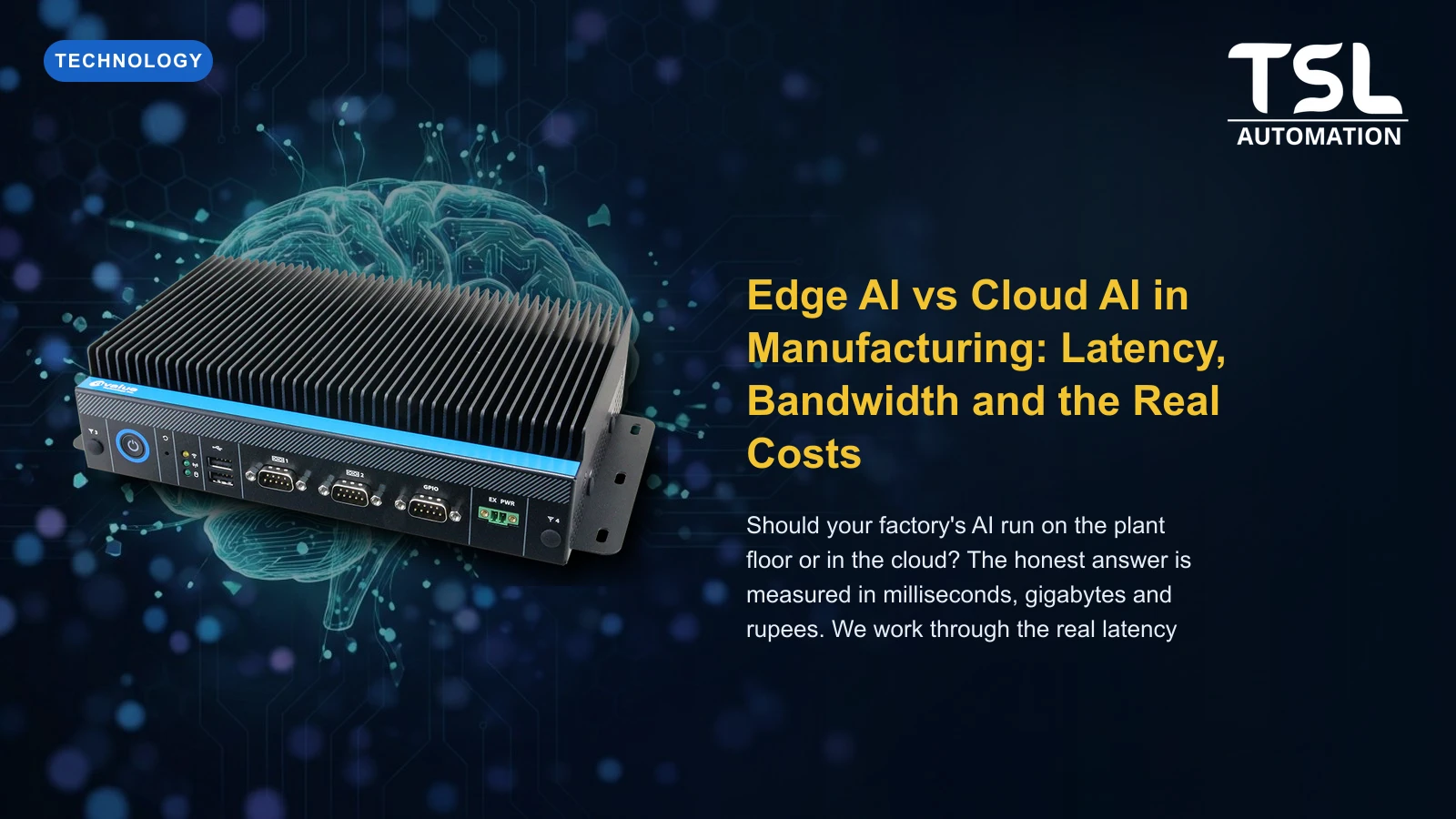
IA embarquée ou IA cloud dans l'industrie : latence, bande passante et coûts réels
17 août 2026
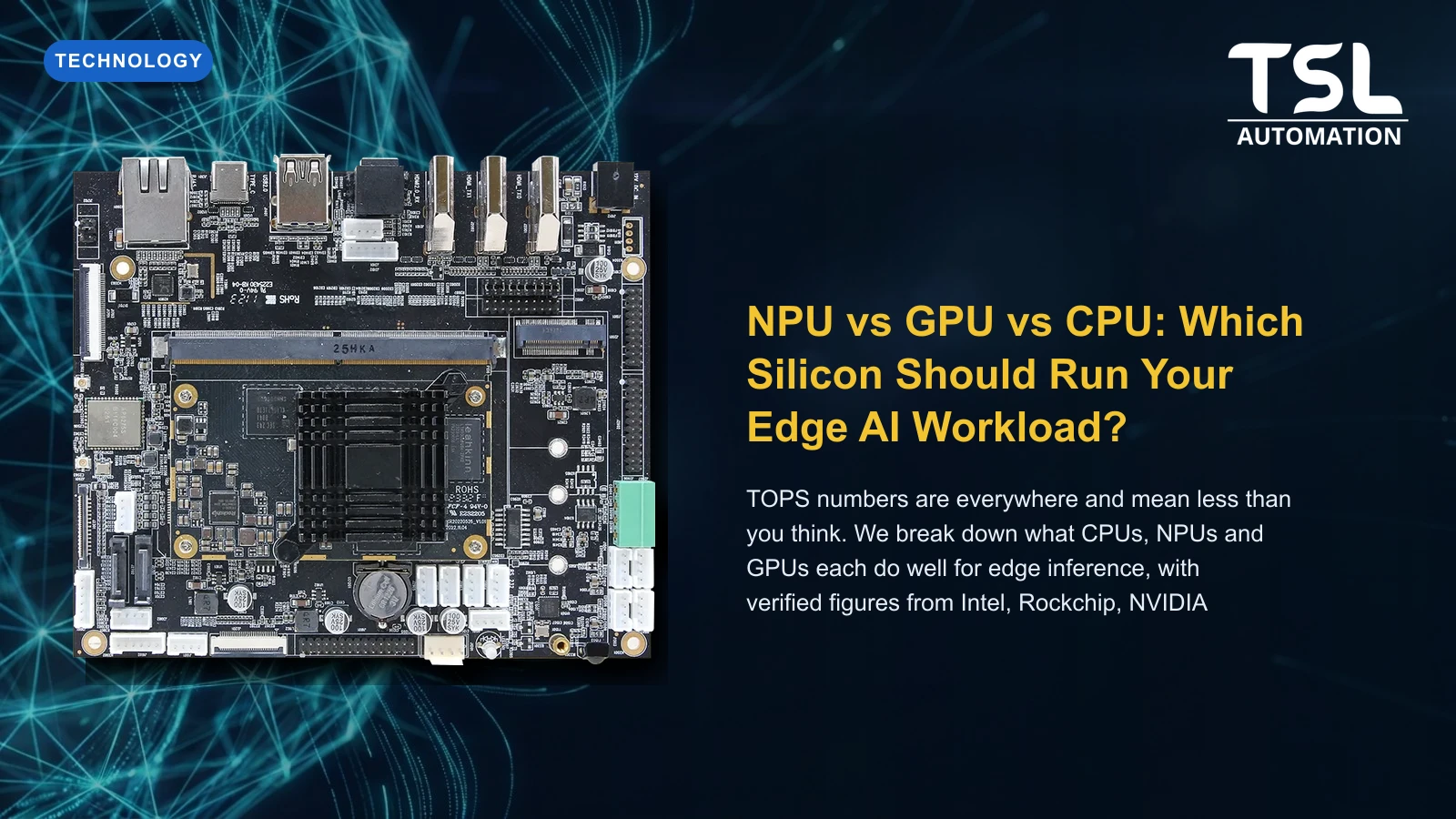
NPU, GPU ou CPU : quelle puce pour votre charge d'IA embarquée ?
17 août 2026
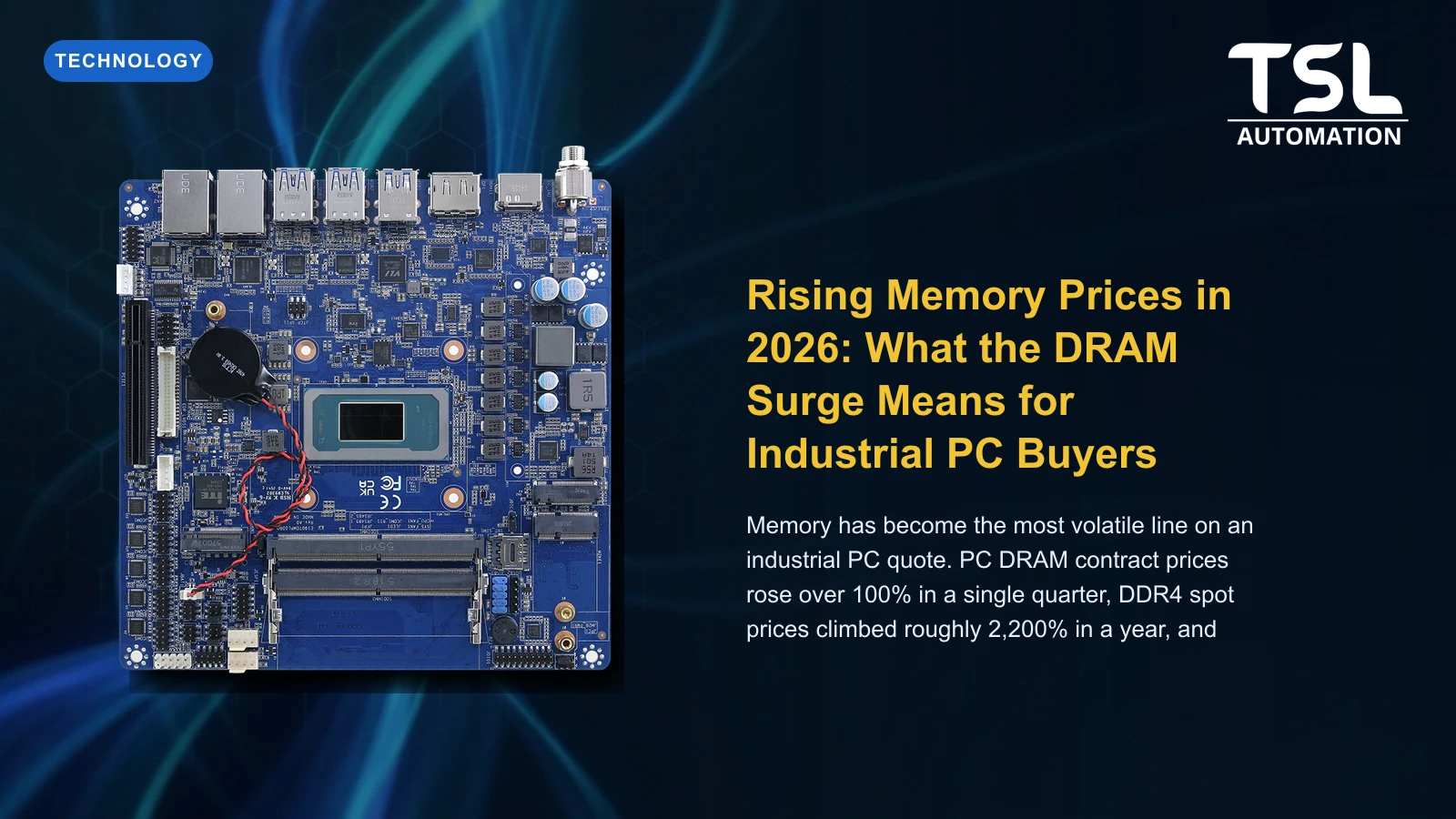
Flambée des prix de la mémoire en 2026 : ce que la hausse de la DRAM change pour les acheteurs
17 août 2026