Logo TSL Automation Solutions
Tecnologia1 min di lettura

GPIO e I/O digitale nell'automazione industriale: guida pratica
TSL Automation Solutions 22 ottobre 2024 Aggiornato il 18 mag 2026
GPIO e I/O digitale su PC industriale per l'automazione, TSL Automation Solutions
Condividi

Indice dei contenuti

What Is GPIO?

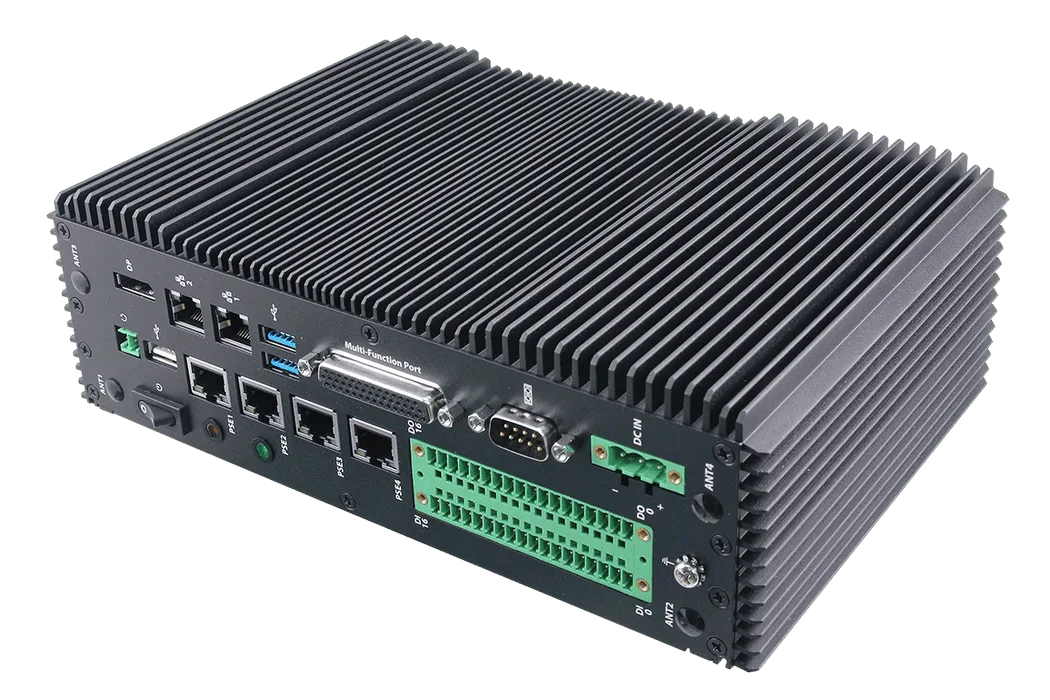
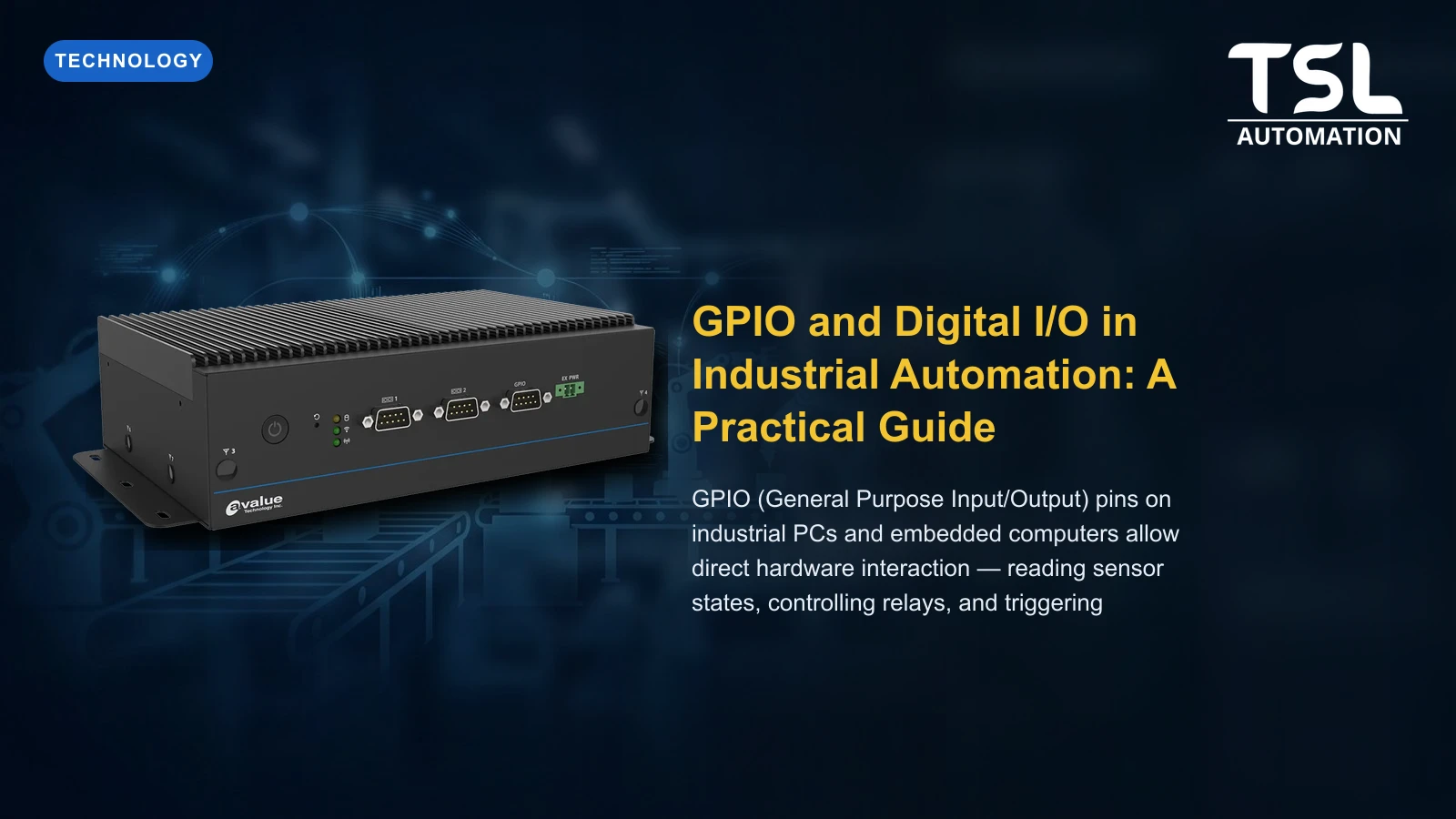
GPIO (General Purpose Input/Output) refers to digital pins on an industrial computer that can be programmatically set as inputs (to read the state of a switch, sensor, or PLC output) or outputs (to control a relay, LED, or signal device). Industrial PCs typically provide 8 a 32 GPIO pins, some optoisolated for electrical isolation from field wiring.

Industrial GPIO vs PLC Digital I/O

A full PLC digital I/O module supports industrial voltage levels (24V DC), high current loads (0.5A per channel), and provides electrical isolation as standard. Industrial PC GPIO is lower current (typically 3.3V or 5V logic, <50mA), suited for signalling and logic-level control, but not direct connection to heavy loads without a relay or solid-state relay interface.

Common GPIO Applications on Industrial PCs

  • Watchdog output, pulse signal to external watchdog relay; if PC freezes, relay de-energises
  • Alarm indicator, toggle signal lamp or buzzer from SCADA software
  • Door/interlock sensor input, read panel door state or safety interlock
  • Production counter, pulse input from a photosensor counting parts
  • Remote reset input, external push button to trigger a controlled software restart

GPIO APIs and Programming

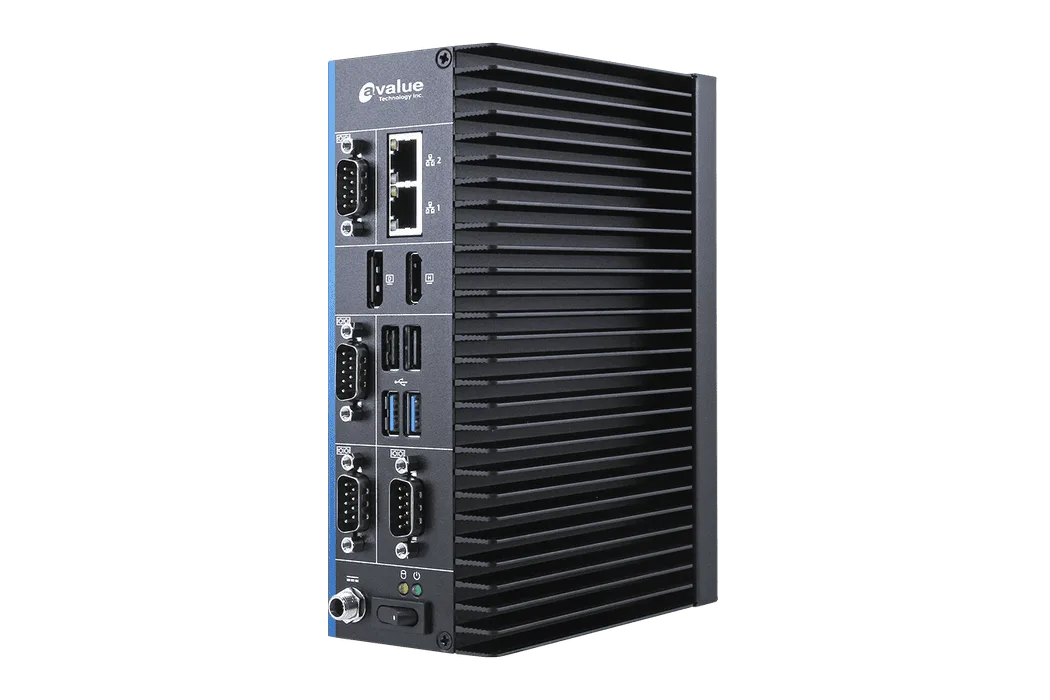
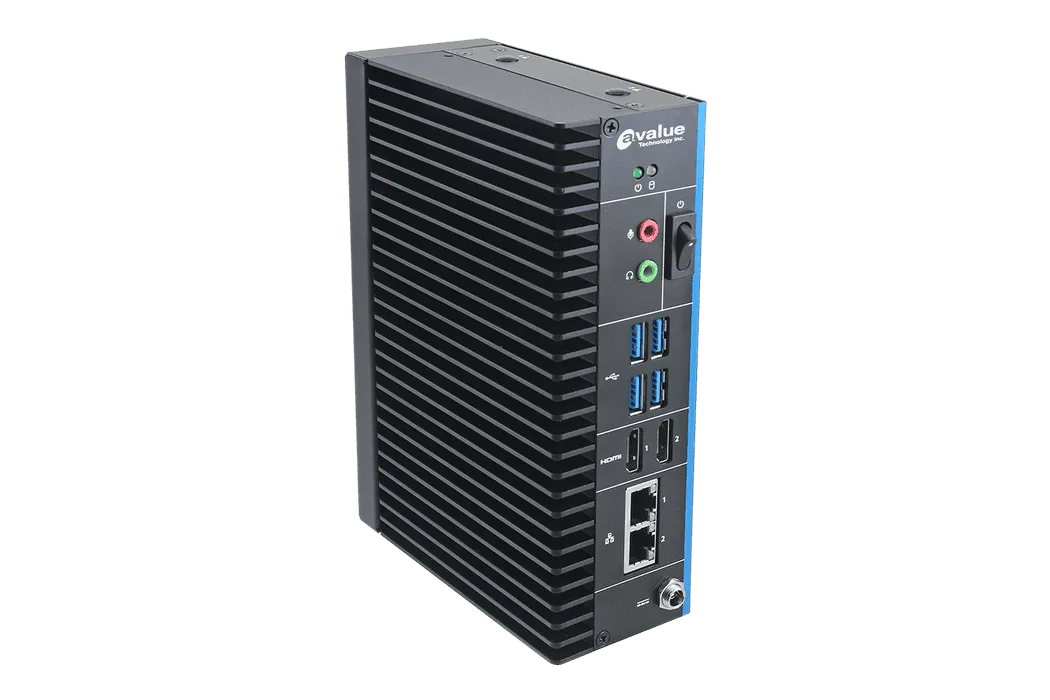
Avalue industrial PCs expose GPIO through a software SDK (Windows DLL or Linux driver) that can be called from C/C++, C#, Python, or any language supporting DLL or system calls. This lets SCADA or HMI software read and write GPIO without additional hardware. TSL Automation provides the Avalue GPIO SDK and sample code for Indian customers on request.

Domande frequenti

GPIO (General Purpose Input/Output) refers to digital I/O pins on an industrial PC or embedded system that can be configured as digital inputs (reading ON/OFF signals from sensors, limit switches, and push buttons) or digital outputs (controlling indicators, relays, and actuators). Industrial PCs with GPIO allow direct connection to factory floor signals without requiring a separate PLC or I/O module for simple discrete control tasks.
PLC digital I/O is designed for hard real-time control with deterministic scan times (typically 1 a 10ms), galvanic isolation, and high industrial noise immunity. Industrial PC GPIO is suitable for non-time-critical signal monitoring, status reading, and simple control tasks where strict timing is not required. For hard real-time control of machinery, a PLC remains the correct choice; GPIO on an industrial PC is better for supervisory I/O, system health monitoring, and simple digital interfacing.
Some industrial PCs offer opto-isolated GPIO with 24V DC logic levels matching PLC I/O standards, while others provide non-isolated 3.3V or 5V TTL-level GPIO. For direct connection to industrial sensors, actuators, and PLC signals, specify an industrial PC with optically isolated 24V GPIO. Non-isolated GPIO is only suitable for low-voltage, low-noise electronic signals from sensors within the same enclosure.
Industrial PC GPIO is accessed via software drivers, on Windows, through vendor-supplied DLL or SDK libraries; on Linux, through /dev/gpio character devices or libgpiod. GPIO can be controlled from any programming language (C++, Python, C#) via the vendor API, or through industrial software platforms that include digital I/O support such as LabVIEW, Node-RED, or custom OPC UA servers.
Yes, many Avalue industrial PCs include GPIO functionality, typically 8 or 16 bits of digital I/O with 24V isolated options on selected models. GPIO specifications vary by product line. TSL Automation Solutions can advise on which Avalue models include the GPIO configuration needed for your application. Contact our Mumbai team for product specifications.
Tag: GPIO industrial PC digital I/O industrial computer industrial PC GPIO relay output industrial PC optoisolated I/O embedded PC hardware control industrial
Le è stato utile? Lo condivida
T

TSL Automation Solutions

Responsabile marketing, TSL Automation Solutions

Sanjana si occupa di tendenze dell'automazione industriale, lanci di prodotto e approfondimenti tecnologici per TSL Automation Solutions, distributore con sede a Mumbai di HMI, Panel PC e sistemi di computing embedded al servizio dei produttori in India e nel mondo.

Ha bisogno di aiuto per scegliere il prodotto giusto?

Il nostro team di Mumbai può consigliarle l'HMI, il Panel PC o il sistema embedded giusto per la sua applicazione.

Contatti TSL Automation