Logo TSL Automation Solutions
Tecnologia1 min di lettura

Tecnologie touch screen per HMI industriali: resistivo, capacitivo e PCAP a confronto
TSL Automation Solutions 29 ottobre 2024 Aggiornato il 18 mag 2026
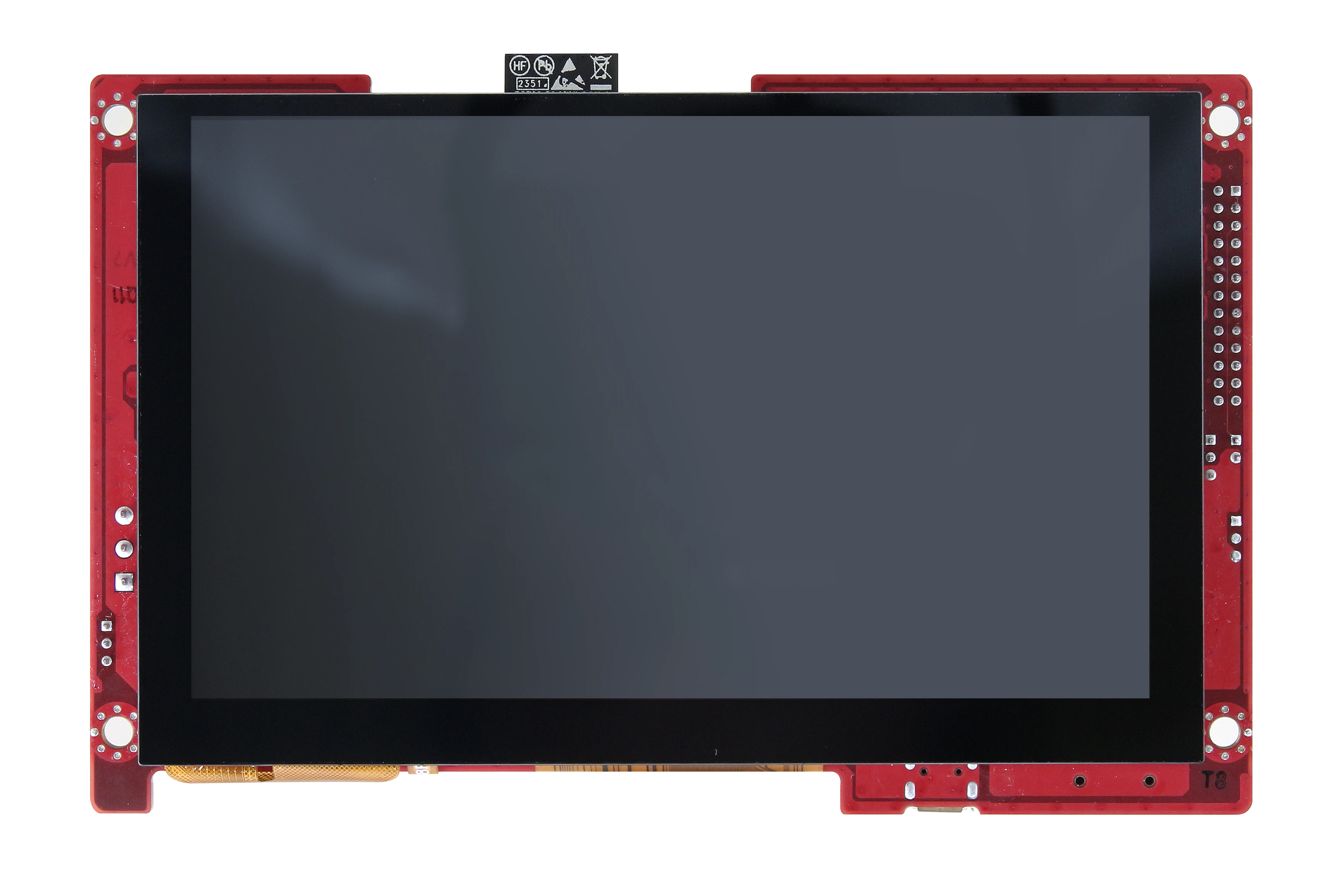
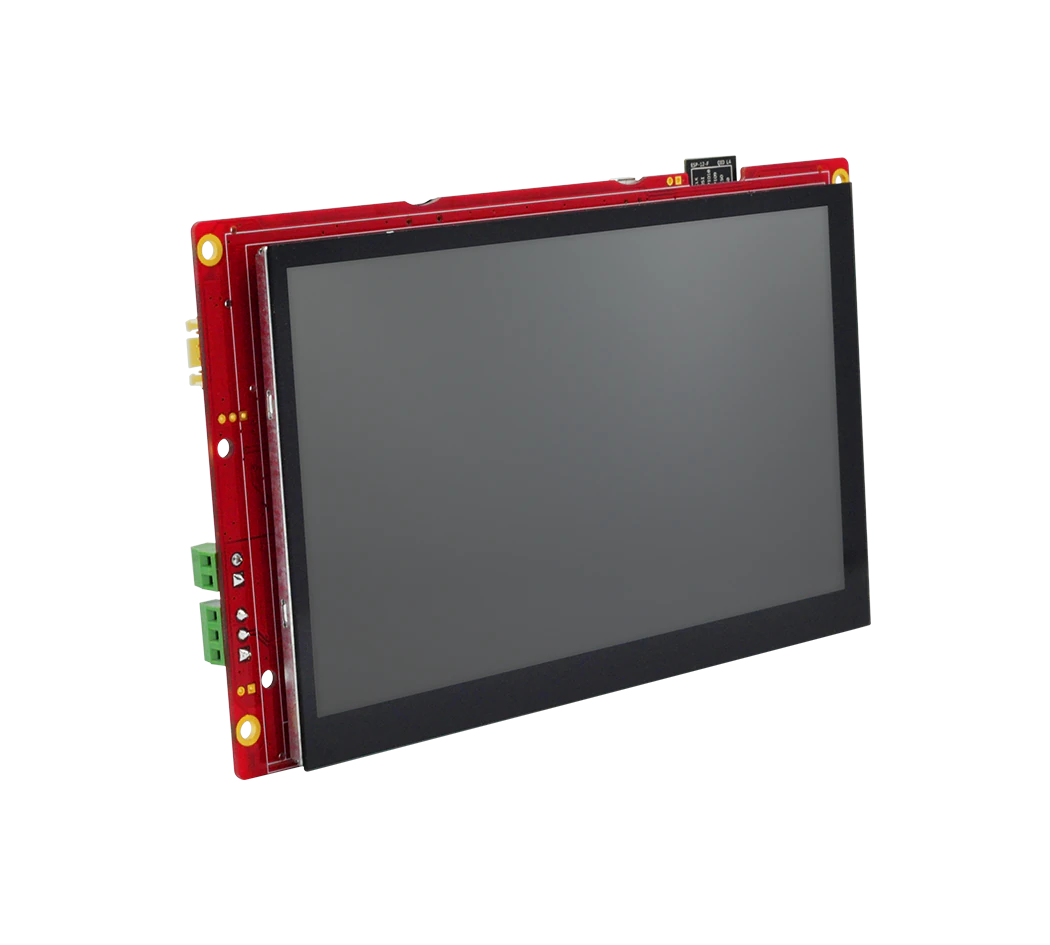
Confronto tra tecnologie touch screen per HMI industriali, TSL Automation Solutions
Condividi

Indice dei contenuti

Resistive Touch

Resistive touch screens work by detecting physical pressure on the screen surface, a flexible top layer pressed against a resistive bottom layer completes a circuit at the touch point. Key characteristics:

  • Works with any pointing object, gloved fingers, stylus, pen
  • Unaffected by water droplets or moisture on the screen
  • Single touch only (no multi-touch gestures)
  • Lower resolution than capacitive
  • Scratches over time from repeated use with hard objects
  • Best for: harsh environments, chemical splash, thick gloves

Capacitive Touch

Capacitive touch detects the electrical capacitance of a finger, it will not respond to non-conductive objects or standard rubber gloves. Key characteristics:

  • High sensitivity and fast response
  • Can support multi-touch with the right controller
  • May false-trigger from water on the screen
  • Requires bare skin or special conductive gloves
  • Best for: clean environments, operator consoles without gloves

PCAP (Projected Capacitive) Touch

PCAP is an advanced capacitive technology that projects an electrostatic field through the glass surface. Modern PCAP controllers include water-rejection algorithms (distinguish a water drop from a finger), glove-detection modes, and multi-touch support. PCAP has become the standard for new industrial HMI and Panel PC designs, combining high responsiveness with robust environmental performance.

Which Touch Technology to Choose

ScenarioRecommended Touch
Rubber glove use (chemical plant)Resistive
Wash-down environmentsPCAP (with water rejection)
Standard factory operator panelPCAP
Extreme cold (frozen gloves)Resistive or PCAP (glove mode)

Domande frequenti

The main touchscreen technologies in industrial HMIs are: resistive touch (pressure-activated, works with gloves, styli, and in wet conditions; single-touch only), PCAP projected capacitive (electrical field sensing, multi-touch, responsive, requires skin or conductive input but can be configured for gloves), and infrared touch (IR frame detects beam interruption, works with any object including thick gloves, but less durable in dusty environments).
For heavy industrial gloves (rubber, leather, thick cotton), resistive touch is the most reliable choice, it responds to pressure regardless of what is pressing the screen. For thin medical or latex gloves, PCAP with enhanced sensitivity mode works reliably. For very thick gloves or any pointing object (stylus, pen, tool handle), infrared (IR) touch works without requiring any specific interaction method.
Resistive touchscreens have a rated life of 1 a 5 million touches at any point (some industrial grades achieve 10 million). The resistive layers can delaminate or develop flat spots with heavy repeated use at specific locations (like frequently used buttons). PCAP glass is significantly more durable, rated for tens of millions of touches, as it has no mechanical layers to wear. For very high-frequency touch applications, PCAP lasts longer.
Standard PCAP touch is unreliable with standing water on the screen surface, water droplets are electrically conductive and confuse the touch sensor. Industrial PCAP controllers with 'rain mode' or 'water rejection' algorithms can distinguish water droplets from genuine touch inputs. For wash-down environments with water on the screen, resistive touch or a PCAP with water-rejection firmware is required.
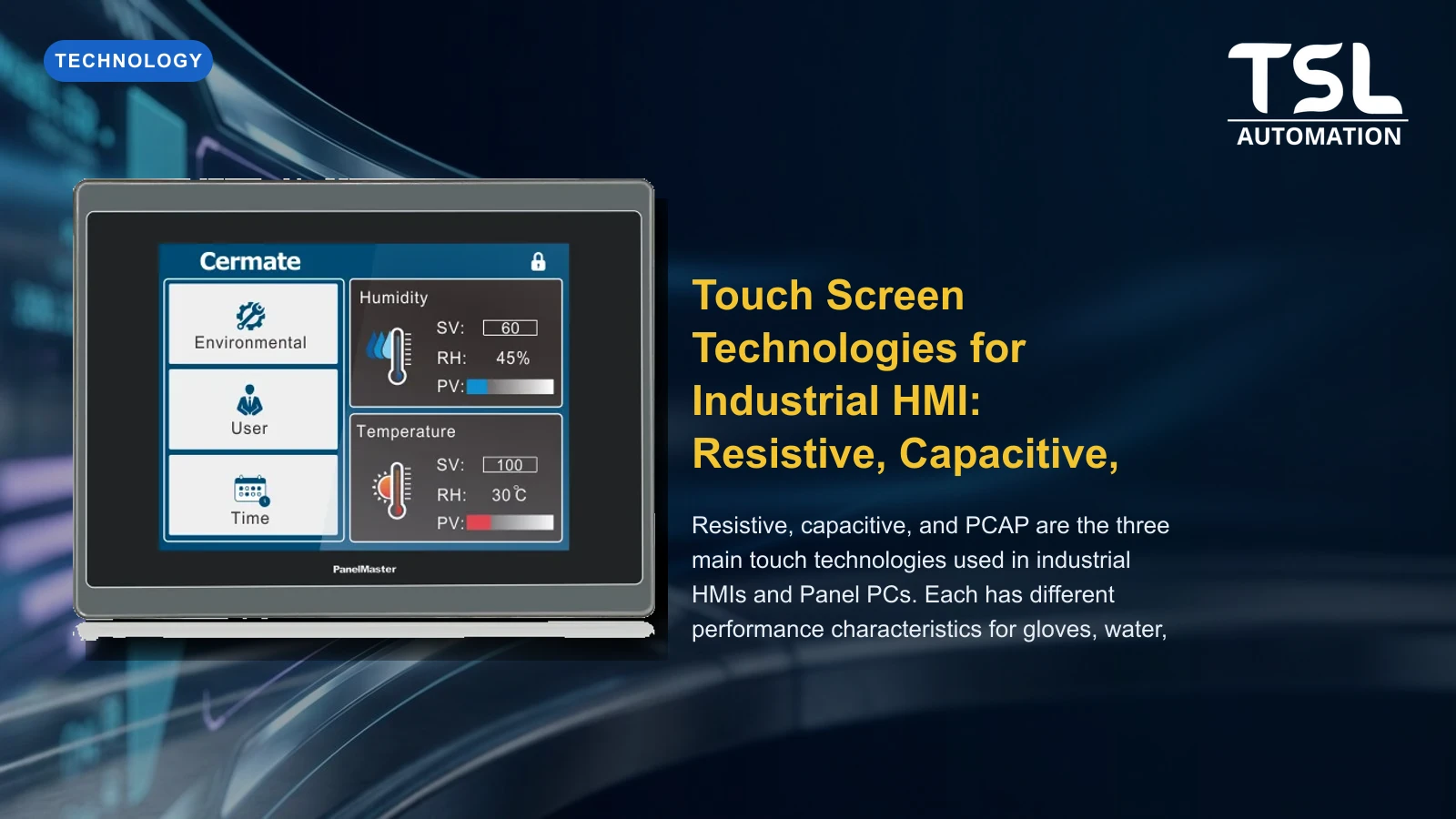
Yes, TSL Automation Solutions supplies Cermate HMI panels with resistive touch (standard models) and PCAP multi-touch (selected models for cleaner environments requiring gesture support). We advise on touch technology selection based on your glove type, environment (wet/dry/dusty), and interaction requirements. Contact our Mumbai team.
Tag: industrial touchscreen technology resistive vs capacitive touch PCAP touch industrial HMI touch technology glove-compatible touchscreen industrial HMI display
Le è stato utile? Lo condivida
T

TSL Automation Solutions

Responsabile marketing, TSL Automation Solutions

Sanjana si occupa di tendenze dell'automazione industriale, lanci di prodotto e approfondimenti tecnologici per TSL Automation Solutions, distributore con sede a Mumbai di HMI, Panel PC e sistemi di computing embedded al servizio dei produttori in India e nel mondo.

Ha bisogno di aiuto per scegliere il prodotto giusto?

Il nostro team di Mumbai può consigliarle l'HMI, il Panel PC o il sistema embedded giusto per la sua applicazione.

Contatti TSL Automation