
Avalue · Computer-on-Module (COM)
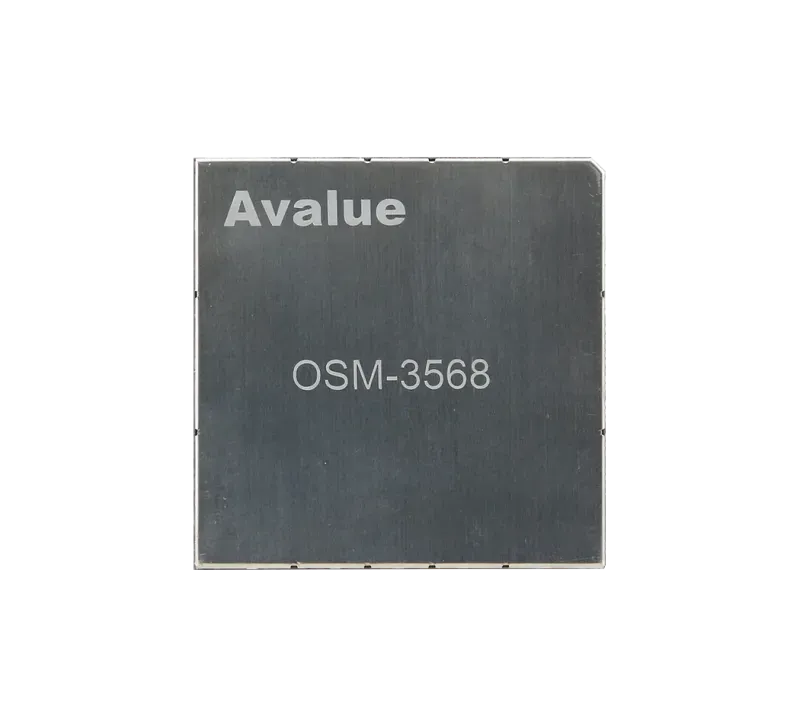
OSM-3568
*Preis auf Anfrage. Kontaktieren Sie uns für ein Angebot.
Highlights
- OSM 1.1 Size-L (45 x 45 mm) Open Standard Module
- Rockchip RK3568J Quad-Core Arm Cortex-A55
- 2 GB LPDDR4, 16 GB eMMC 5.1
- HDMI 4K60 + eDP + Single-Channel-LVDS
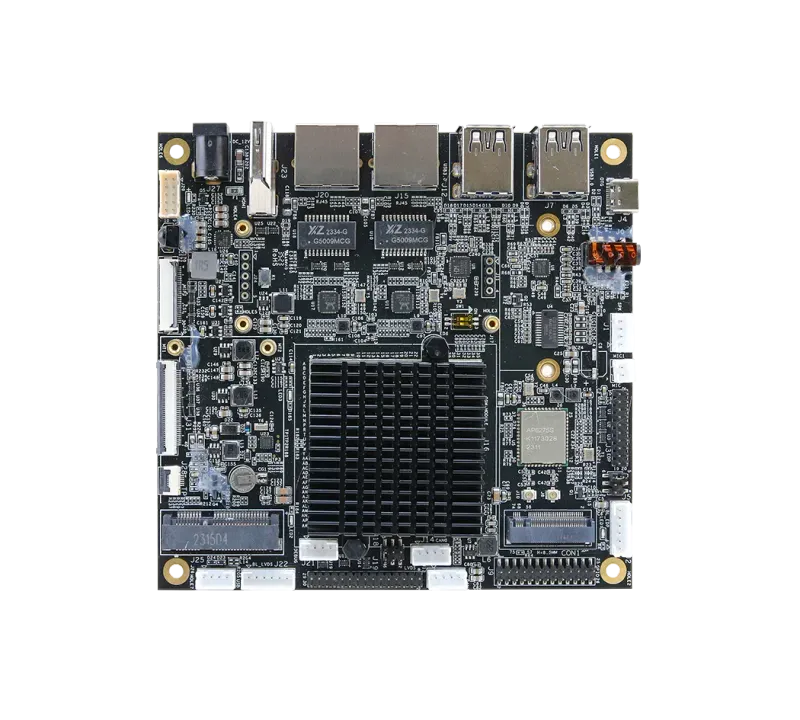
- PCIe 3.0 + PCIe 2.0, zwei Gigabit-Ethernet-Ports
- MIPI CSI (4-Lane) + 2x MIPI DSI (4-Lane)
- USB 3.0 Host + USB OTG 3.0 + 2x USB 2.0 Host, 2x CAN
- Erweiterte Betriebstemperatur -40 bis 85 °C
- Debian 11 / Android 11; CE, FCC Class B
Produktbeschreibung
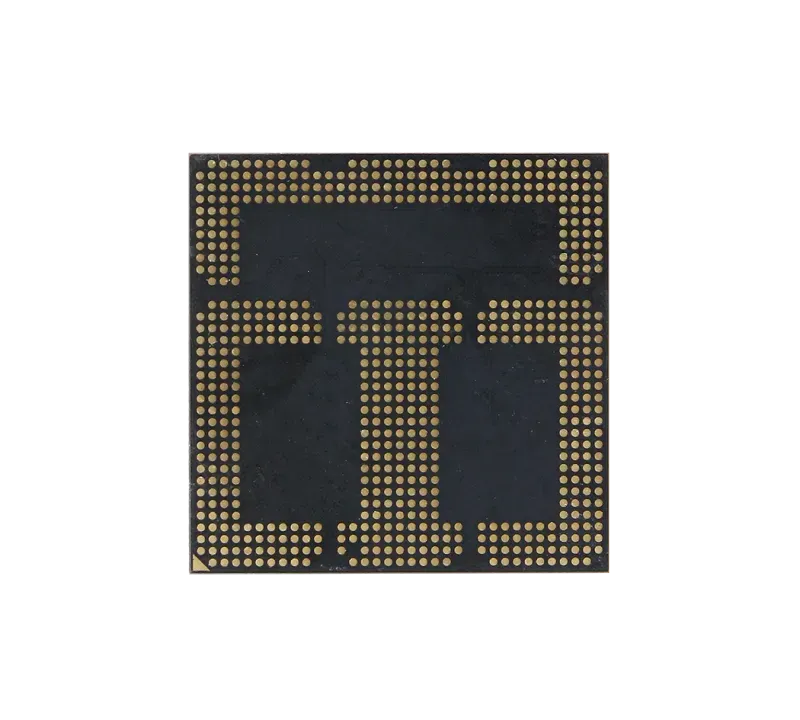
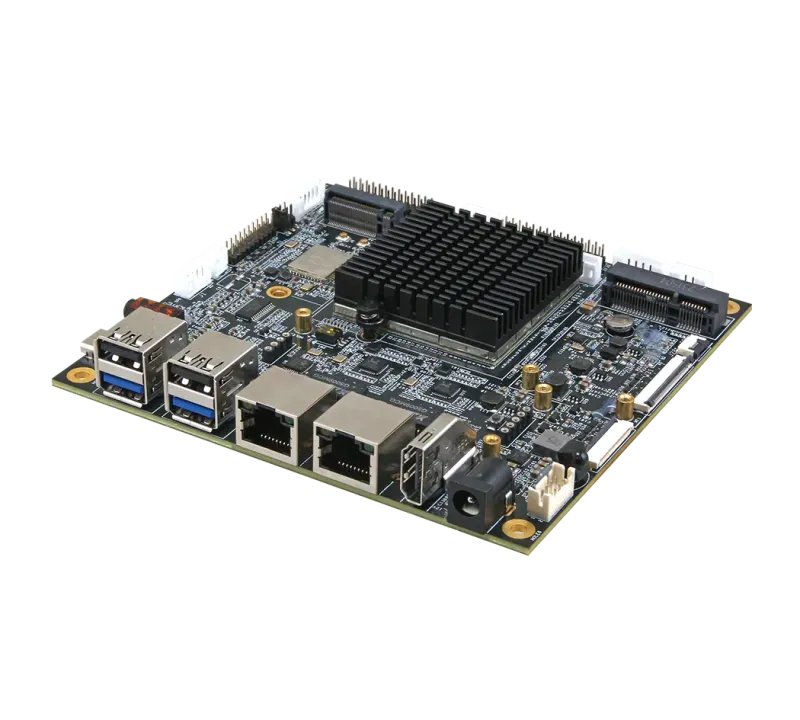
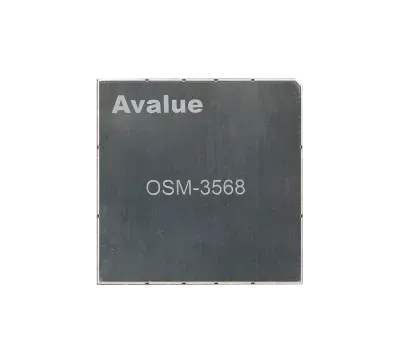
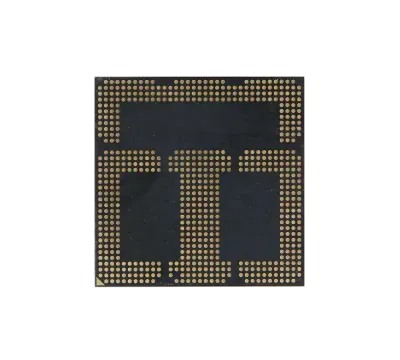
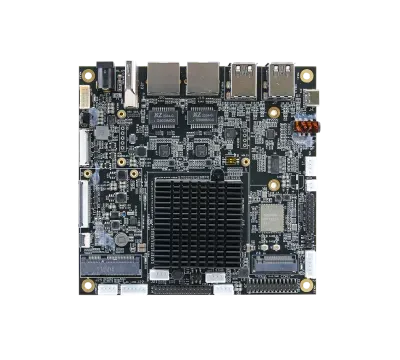
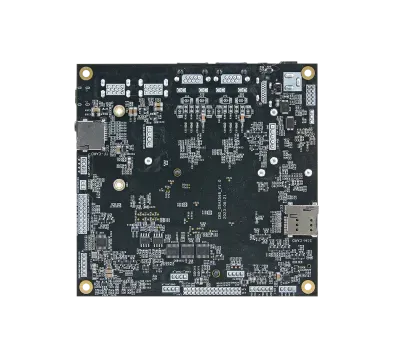
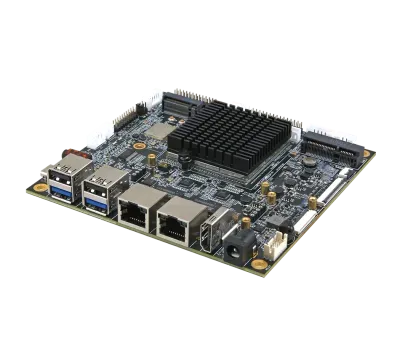
Das Avalue OSM-3568 ist ein OSM 1.1 Size-L (45 x 45 mm) Open Standard Module auf Basis des Rockchip RK3568J Prozessors (Quad-Core Arm Cortex-A55), konzipiert als steckverbinderloser, hochzuverlässiger Rechenkern für mobile und robuste Edge-Geräte.
Mit 2GB LPDDR4, 16GB eMMC und einem weiten Betriebstemperaturbereich von -40 bis 85°C liefert es effiziente Arm-Leistung mit 4K-HDMI-Ausgang.
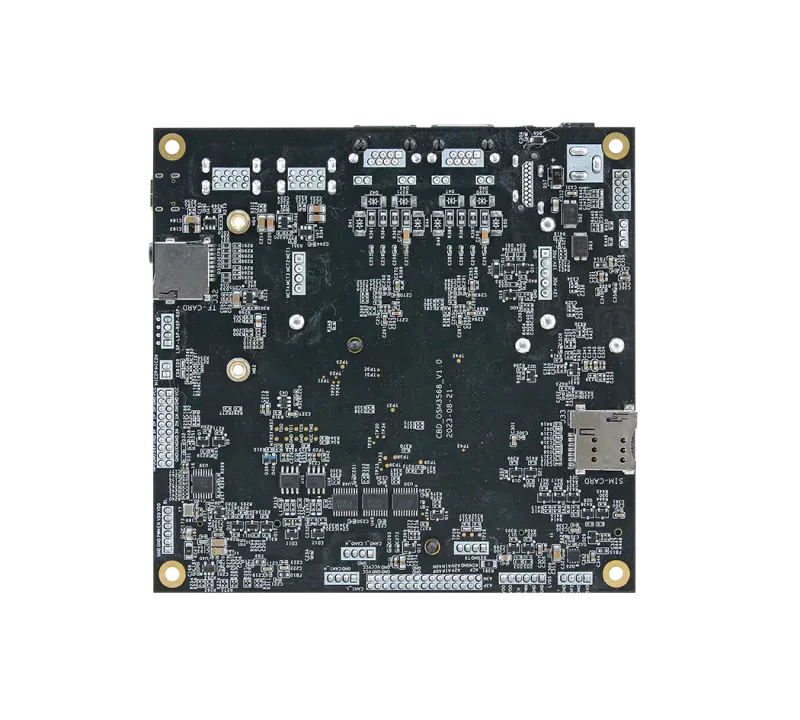
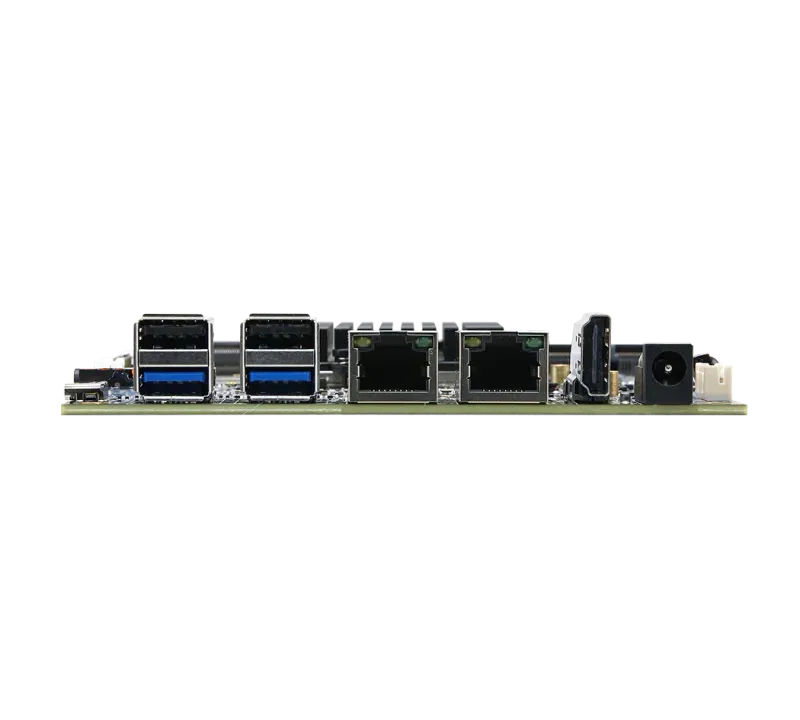
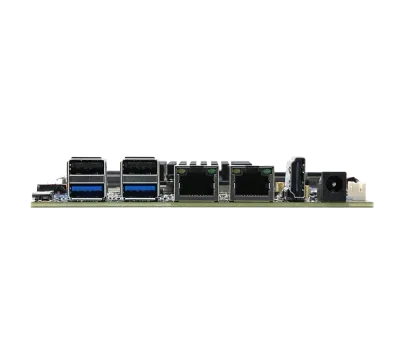
Das Modul stellt über die standardisierten OSM-Pads PCIe 3.0/2.0, zwei Gigabit Ethernet, HDMI (4K60), eDP, LVDS, MIPI CSI/DSI, zwei SDIO 3.0, USB 3.0/2.0, CAN, mehrere UARTs, I2C, SPI, I2S und SPDIF bereit und läuft unter Debian 11 oder Android 11.
Technische Daten
Was ist OSM-3568?
The OSM-3568 is a computer-on-module (com) manufactured by Avalue, designed specifically for open-standard-module applications. It features display of Support HDMI x 1 /eDP x 1, MIPI DSI interface and netzwerk of RJ45 (100M/1000M Ethernet)x2. Das Avalue OSM-3568 ist ein OSM 1.1 Size-L (45 x 45 mm) Open Standard Module auf Basis des Rockchip RK3568J Prozessors (Quad-Core Arm Cortex-A55), konzipiert als steckverbinderloser, hochzuverlässiger Rechenkern für mobile und robuste Edge-Geräte. Mit 2GB LPDDR4, 16GB eMMC und einem weiten Betriebstemperaturbereich von -40 bis 85°C liefert es effiziente Arm-Leistung mit 4K-HDMI-Ausgang. Das Modul stellt über die standardisierten OSM-Pads PCIe 3.0/2.0, zwei Gigabit Ethernet, HDMI (4K60), eDP, LVDS, MIPI CSI/DSI, zwei SDIO 3.0, USB 3.0/2.0, CAN, mehrere UARTs, I2C, SPI, I2S und SPDIF bereit und läuft unter Debian 11 oder Android 11.
Wichtigste Merkmale & Vorteile
- OSM 1.1 Size-L (45 x 45 mm) Open Standard Module
- Rockchip RK3568J Quad-Core Arm Cortex-A55
- 2 GB LPDDR4, 16 GB eMMC 5.1
- HDMI 4K60 + eDP + Single-Channel-LVDS
- PCIe 3.0 + PCIe 2.0, zwei Gigabit-Ethernet-Ports
- MIPI CSI (4-Lane) + 2x MIPI DSI (4-Lane)
- USB 3.0 Host + USB OTG 3.0 + 2x USB 2.0 Host, 2x CAN
- Erweiterte Betriebstemperatur -40 bis 85 °C
- Debian 11 / Android 11; CE, FCC Class B
Anwendungen & Einsatzbereiche
Das Modell OSM-3568 eignet sich ideal für vielfältige Anwendungen in der industriellen Automatisierung:
- Networked industrial systems and data communication
- Peripheral device connectivity and data transfer
- Memory-intensive applications and multitasking
- Industrial automation and control
- Manufacturing process monitoring
- Quality assurance and inspection
- Production line automation