
Avalue · Computer-on-Module
OSM-3568
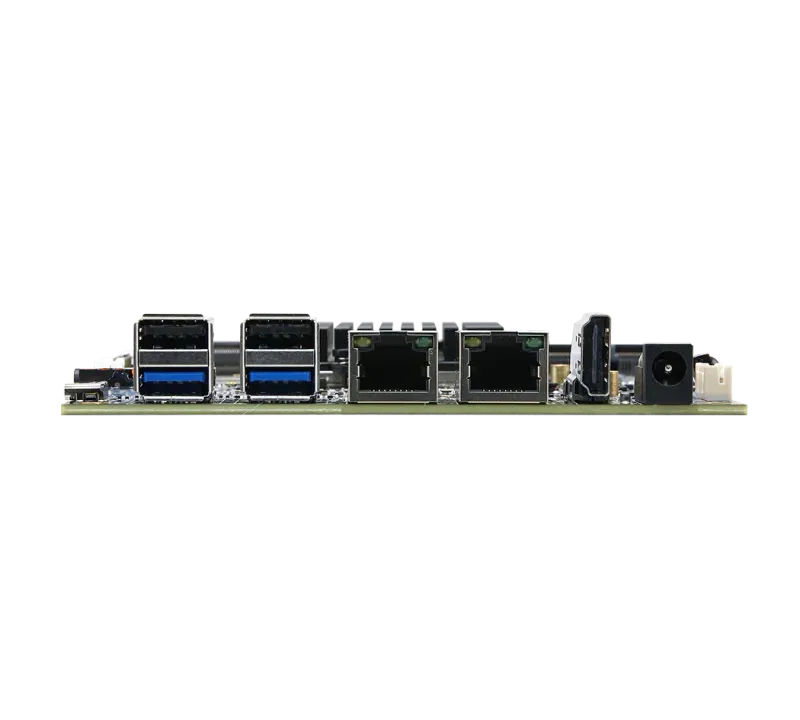
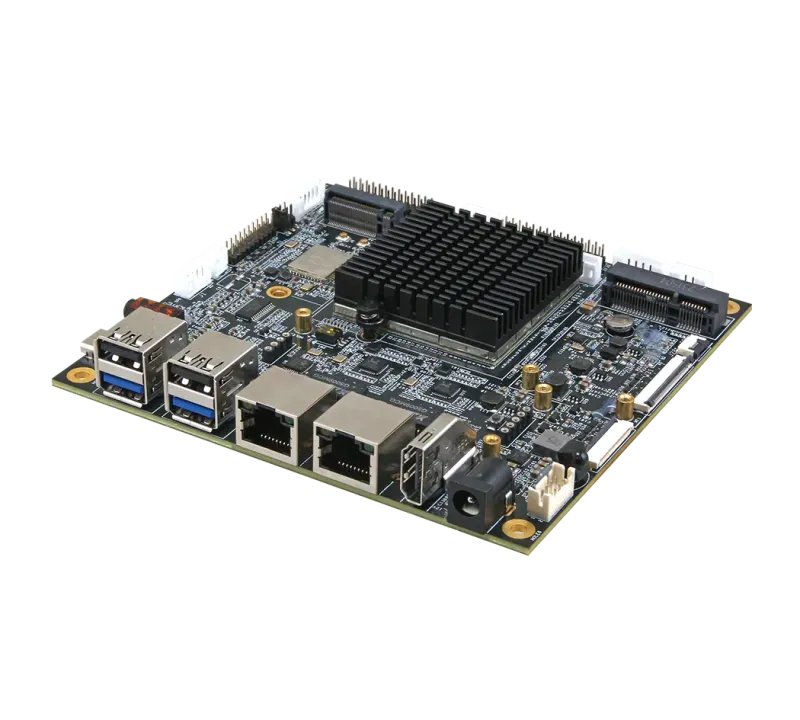
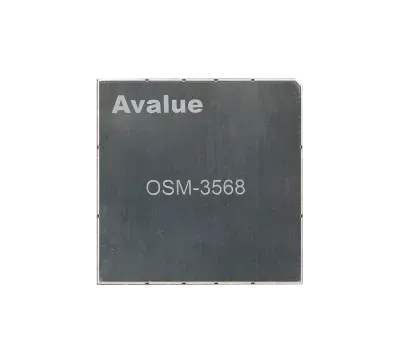
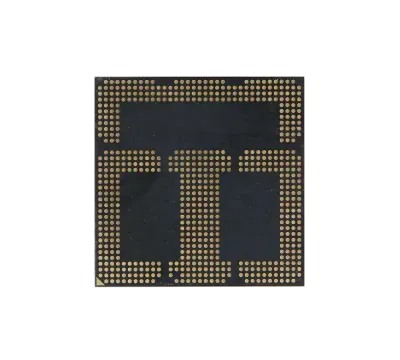
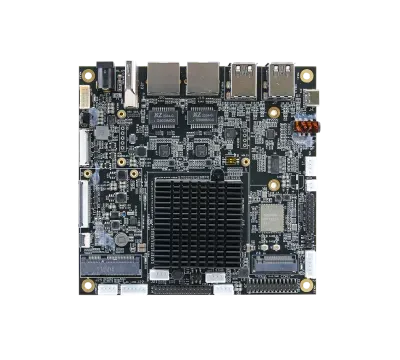
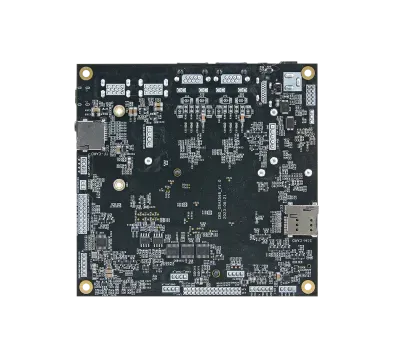
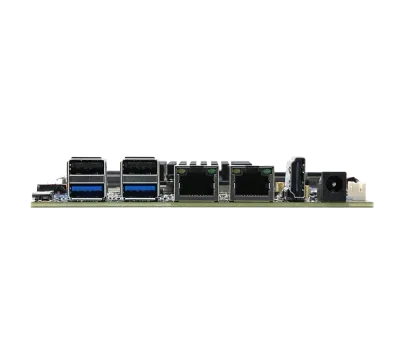
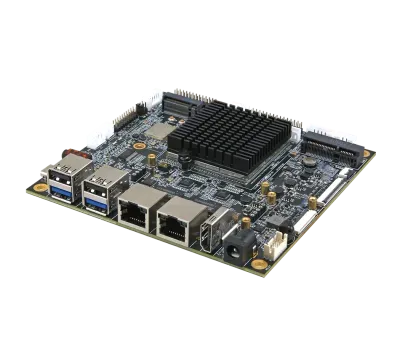
*Price on request. Contact us for a quote.
Highlights
- OSM 1.1 Size-L (45 x 45 mm) Open Standard Module
- Rockchip RK3568J quad-core Arm Cortex-A55
- 2GB LPDDR4, 16GB eMMC 5.1
- HDMI 4K60 + eDP + single-channel LVDS
- PCIe 3.0 + PCIe 2.0, dual Gigabit Ethernet
- MIPI CSI (4-lane) + 2x MIPI DSI (4-lane)
- USB 3.0 host + USB OTG 3.0 + 2x USB 2.0 host, 2x CAN
- Wide -40~85°C operating temperature
- Debian 11 / Android 11; CE, FCC Class B
Product Description
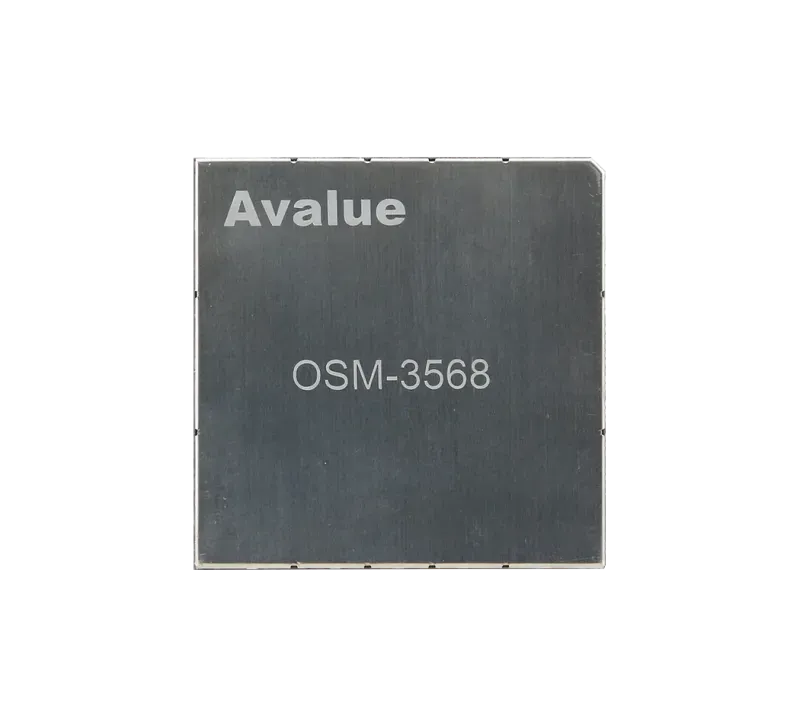
The Avalue OSM-3568 is an OSM 1.1 Size-L (45 x 45 mm) Open Standard Module built on the Rockchip RK3568J (quad-core Arm Cortex-A55) processor, designed as a connector-less, high-reliability compute core for mobile and rugged edge devices.
With 2GB LPDDR4, 16GB eMMC, and a wide -40~85°C operating range, it delivers efficient Arm performance with 4K HDMI output.
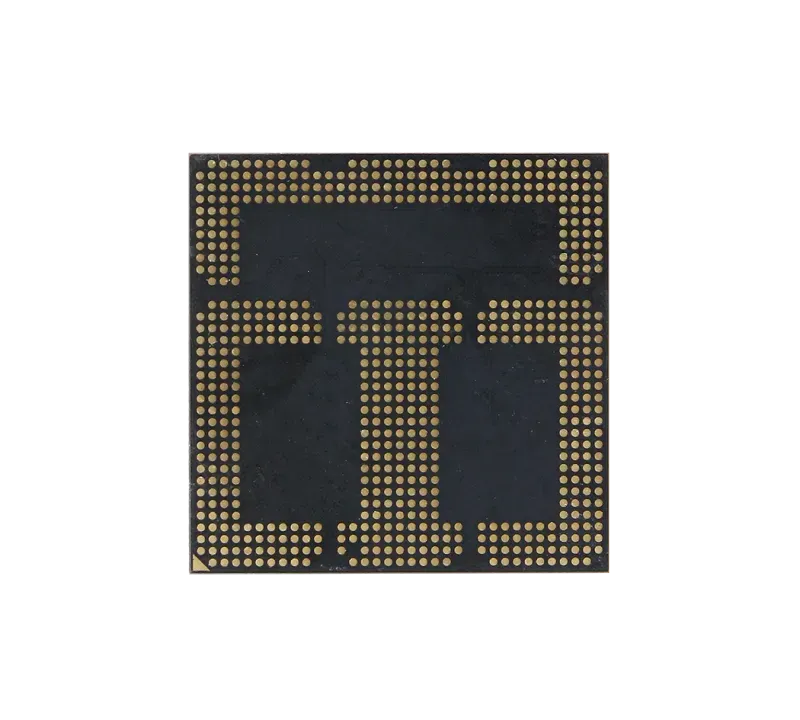
The module exposes PCIe 3.0/2.0, dual Gigabit Ethernet, HDMI (4K60), eDP, LVDS, MIPI CSI/DSI, dual SDIO 3.0, USB 3.0/2.0, CAN, multiple UARTs, I2C, SPI, I2S and SPDIF through the standardised OSM pads, running Debian 11 or Android 11.
Technical Specifications
What is OSM-3568?
The OSM-3568 is a computer-on-module manufactured by Avalue, designed specifically for open-standard-module applications. It features processor of Quad-core Cortex-A55, display of Support HDMI x 1 /eDP x 1, MIPI DSI interface and memory of 2GB LPDDR4. The Avalue OSM-3568 is an OSM 1.1 Size-L (45 x 45 mm) Open Standard Module built on the Rockchip RK3568J (quad-core Arm Cortex-A55) processor, designed as a connector-less, high-reliability compute core for mobile and rugged edge devices. With 2GB LPDDR4, 16GB eMMC, and a wide -40~85°C operating range, it delivers efficient Arm performance with 4K HDMI output. The module exposes PCIe 3.0/2.0, dual Gigabit Ethernet, HDMI (4K60), eDP, LVDS, MIPI CSI/DSI, dual SDIO 3.0, USB 3.0/2.0, CAN, multiple UARTs, I2C, SPI, I2S and SPDIF through the standardised OSM pads, running Debian 11 or Android 11.
Key Features & Benefits
- OSM 1.1 Size-L (45 x 45 mm) Open Standard Module
- Rockchip RK3568J quad-core Arm Cortex-A55
- 2GB LPDDR4, 16GB eMMC 5.1
- HDMI 4K60 + eDP + single-channel LVDS
- PCIe 3.0 + PCIe 2.0, dual Gigabit Ethernet
- MIPI CSI (4-lane) + 2x MIPI DSI (4-lane)
- USB 3.0 host + USB OTG 3.0 + 2x USB 2.0 host, 2x CAN
- Wide -40~85°C operating temperature
- Debian 11 / Android 11; CE, FCC Class B
Applications & Use Cases
The OSM-3568 is ideal for various industrial automation applications:
- Extreme temperature environments and outdoor installations
- Networked industrial systems and data communication
- Peripheral device connectivity and data transfer
- Memory-intensive applications and multitasking
- Industrial automation and control
- Manufacturing process monitoring
- Quality assurance and inspection
- Production line automation