
Avalue · Système informatique
EMS-ARH
*Prix sur demande. Contactez-nous pour un devis.
Points forts
- Intel Core Ultra (Series 2, Meteor Lake-H): Ultra 7 255H / Ultra 5 225H
- Integrated Intel Arc GPU + NPU (AI acceleration)
- 2 x DDR5 6400 MT/s SO-DIMM, up to 64GB
- dTPM 2.0; optional Intel iAMT
- IET modular interface (DDI, 4x PCIe Gen4x1, USB 2.0, SMBus, eSPI)
- Triple M.2 (Key-B/E/M, NVMe Gen4 x4)
- 2 x COM RS-232/422/485, 8-bit GPIO
- 4 x USB 3.2 Gen1, dual LAN, DP++ + 2 x HDMI
- Terminal-block power input, EMS-ARH SBC, Windows / Linux
Description du produit
The Avalue EMS-ARH is a modular computing system powered by Intel Core Ultra processors (Series 2, Meteor Lake-H), Core Ultra 7 255H / Ultra 5 225H, with integrated Intel Arc GPU and NPU for AI-accelerated edge workloads.
Dual SO-DIMM sockets support up to 64GB DDR5 6400 MT/s, with dTPM 2.0 and optional Intel iAMT for secure, manageable deployment based on the EMS-ARH SBC.
Its IET modular interface (DDI, 4 x PCIe Gen4 x1, USB 2.0, SMBus, eSPI) plus triple M.2 (Key-B/E/M, NVMe Gen4 x4) make it highly expandable.
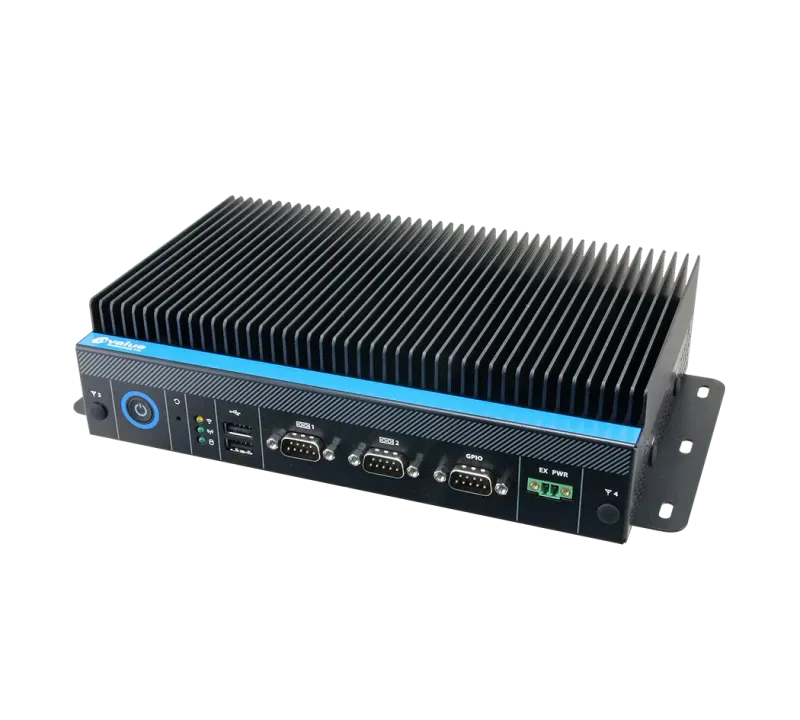
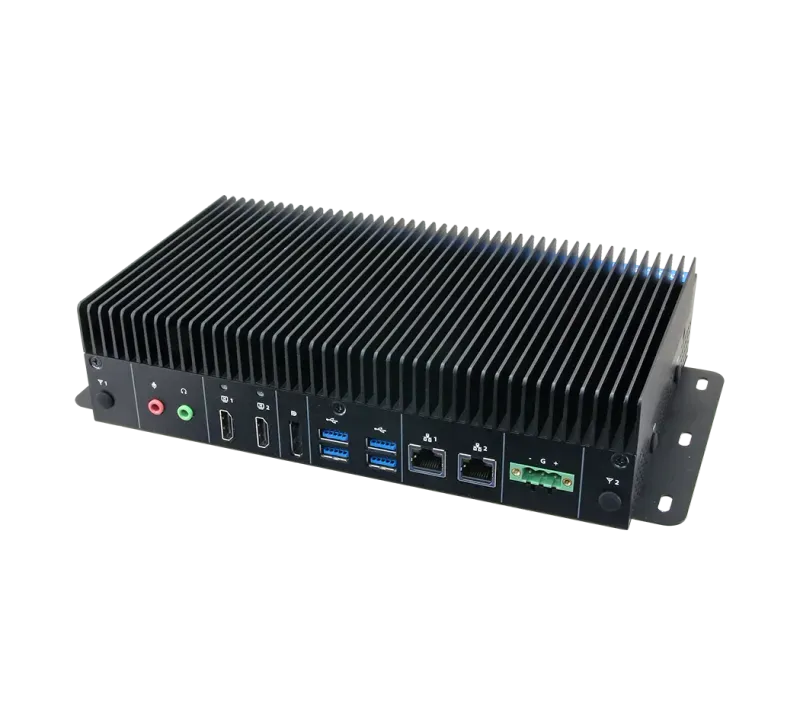
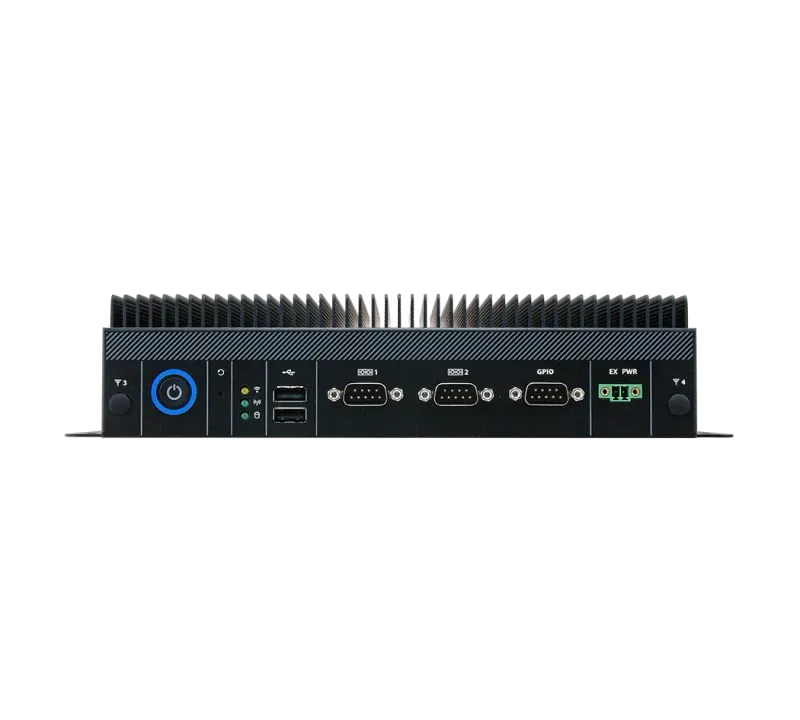
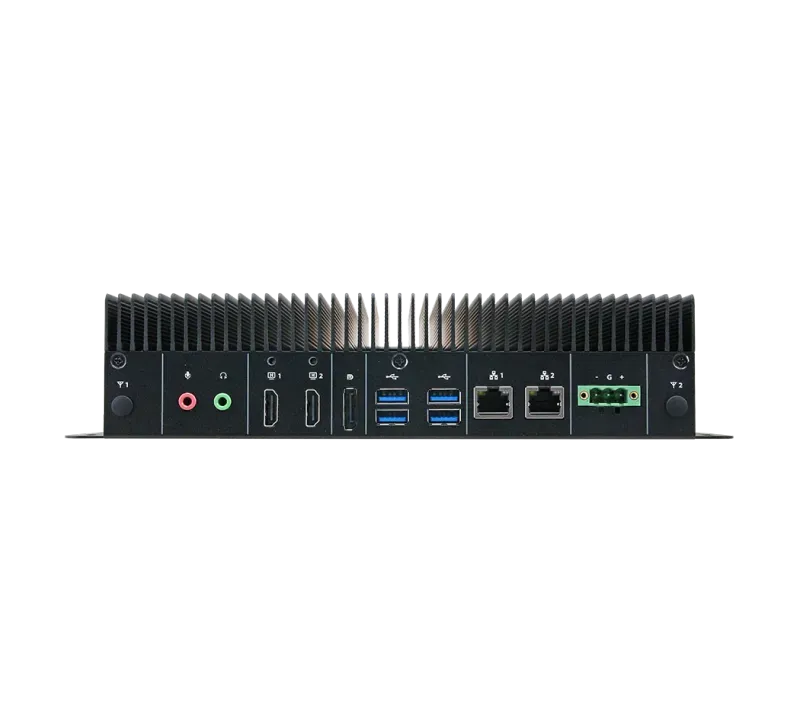
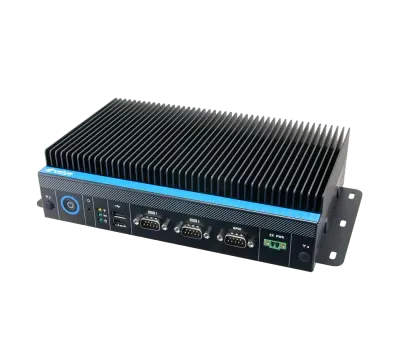
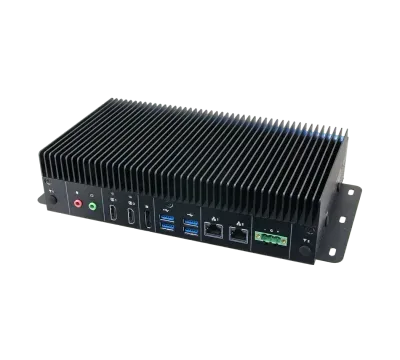
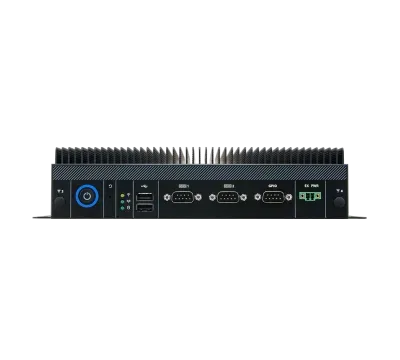
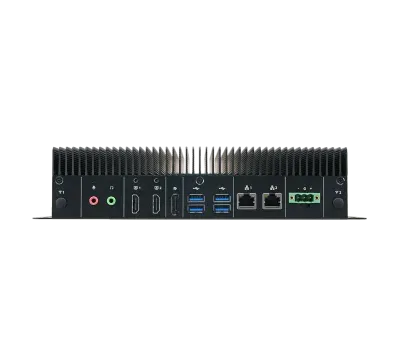
The EMS-ARH offers 2 x COM RS-232/422/485, 8-bit GPIO, four rear USB 3.2 Gen1, dual LAN, DP++ and dual HDMI, terminal-block power input, and rich LED/antenna provisioning, well suited to AI vision, machine control, and modular edge systems running Windows or Linux.
Caractéristiques techniques
Qu'est-ce que le EMS-ARH ?
The EMS-ARH is a système informatique manufactured by Avalue, designed specifically for modular-computing-system applications. It features réseau of CPU & system temperature monitoring and Voltages monitoring, os of AMI uEFI BIOS 256 Mbit SPI Flash ROM and certification of CE, FCC Class A. The Avalue EMS-ARH is a modular computing system powered by Intel Core Ultra processors (Series 2, Meteor Lake-H), Core Ultra 7 255H / Ultra 5 225H, with integrated Intel Arc GPU and NPU for AI-accelerated edge workloads. Dual SO-DIMM sockets support up to 64GB DDR5 6400 MT/s, with dTPM 2.0 and optional Intel iAMT for secure, manageable deployment based on the EMS-ARH SBC. Its IET modular interface (DDI, 4 x PCIe Gen4 x1, USB 2.0, SMBus, eSPI) plus triple M.2 (Key-B/E/M, NVMe Gen4 x4) make it highly expandable. The EMS-ARH offers 2 x COM RS-232/422/485, 8-bit GPIO, four rear USB 3.2 Gen1, dual LAN, DP++ and dual HDMI, terminal-block power input, and rich LED/antenna provisioning, well suited to AI vision, machine control, and modular edge systems running Windows or Linux.
Caractéristiques et avantages clés
- Intel Core Ultra (Series 2, Meteor Lake-H): Ultra 7 255H / Ultra 5 225H
- Integrated Intel Arc GPU + NPU (AI acceleration)
- 2 x DDR5 6400 MT/s SO-DIMM, up to 64GB
- dTPM 2.0; optional Intel iAMT
- IET modular interface (DDI, 4x PCIe Gen4x1, USB 2.0, SMBus, eSPI)
- Triple M.2 (Key-B/E/M, NVMe Gen4 x4)
- 2 x COM RS-232/422/485, 8-bit GPIO
- 4 x USB 3.2 Gen1, dual LAN, DP++ + 2 x HDMI
- Terminal-block power input, EMS-ARH SBC, Windows / Linux
Applications et cas d'usage
Le EMS-ARH est idéal pour de nombreuses applications d'automatisation industrielle :
- DC-powered industrial installations and mobile applications
- Legacy equipment integration and serial communication
- High-performance computing and data processing tasks
- Networked industrial systems and data communication
- Peripheral device connectivity and data transfer
- Memory-intensive applications and multitasking
- Industrial computing and data processing
- Edge computing and IoT applications