
Avalue · Carte mère industrielle et embarquée
EMX-PTLP
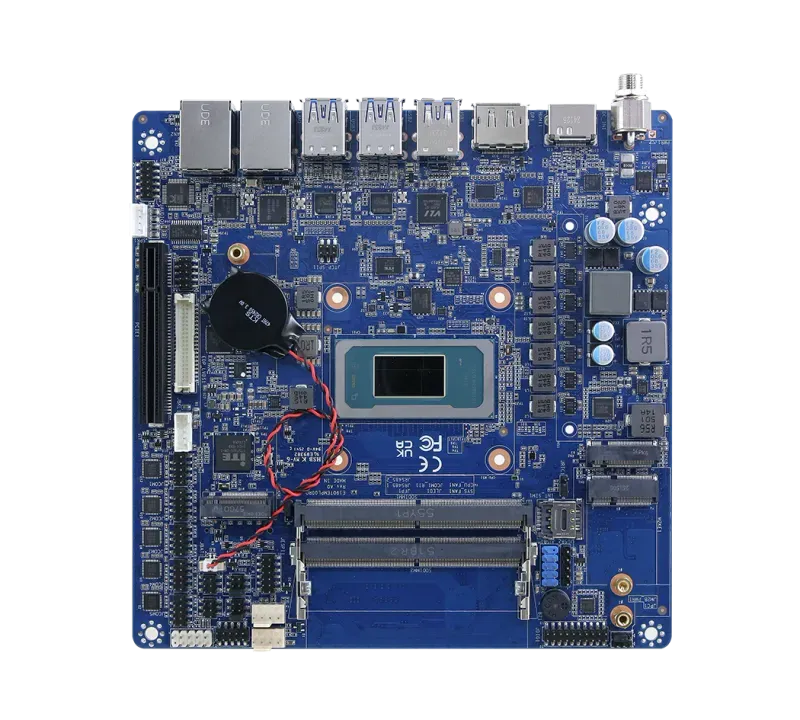
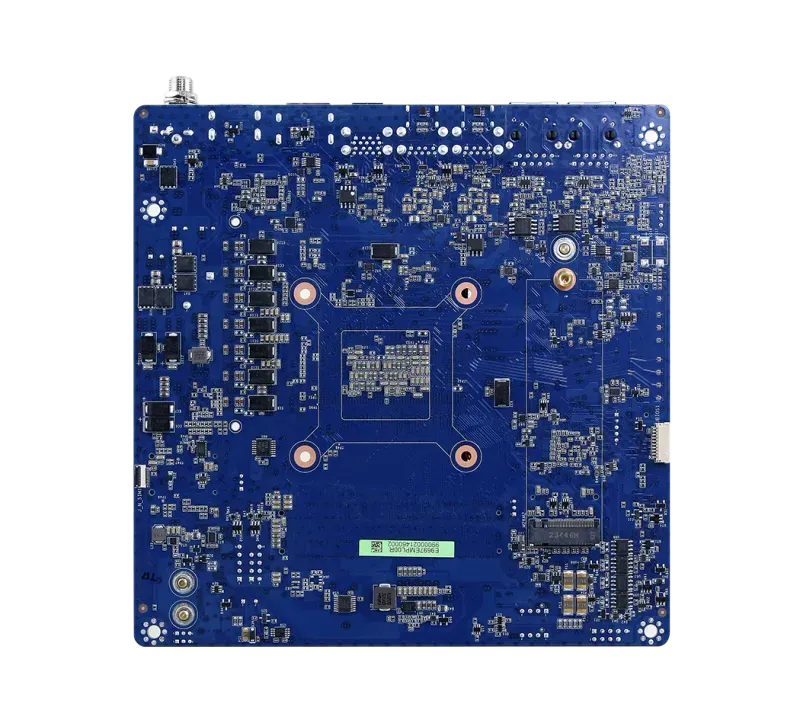
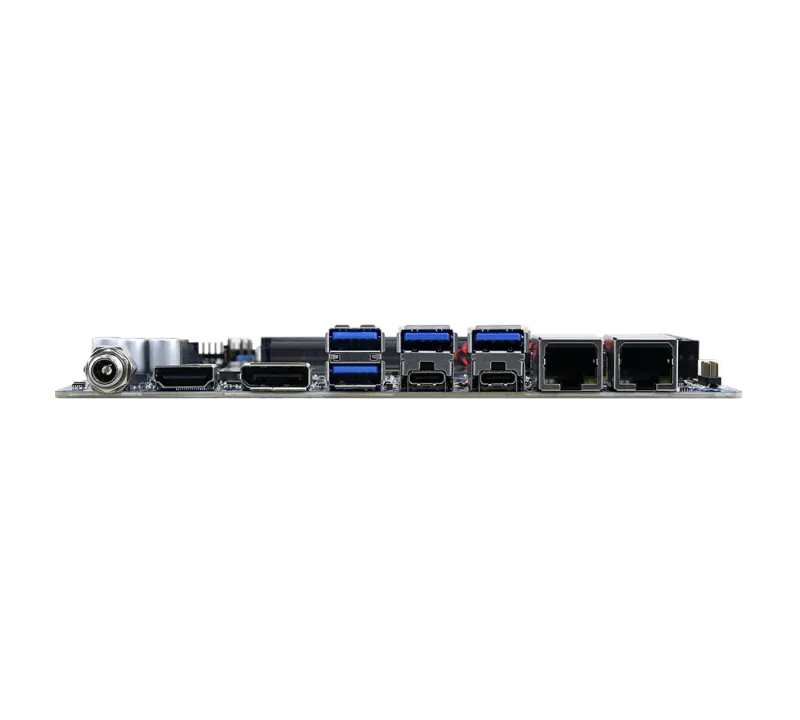
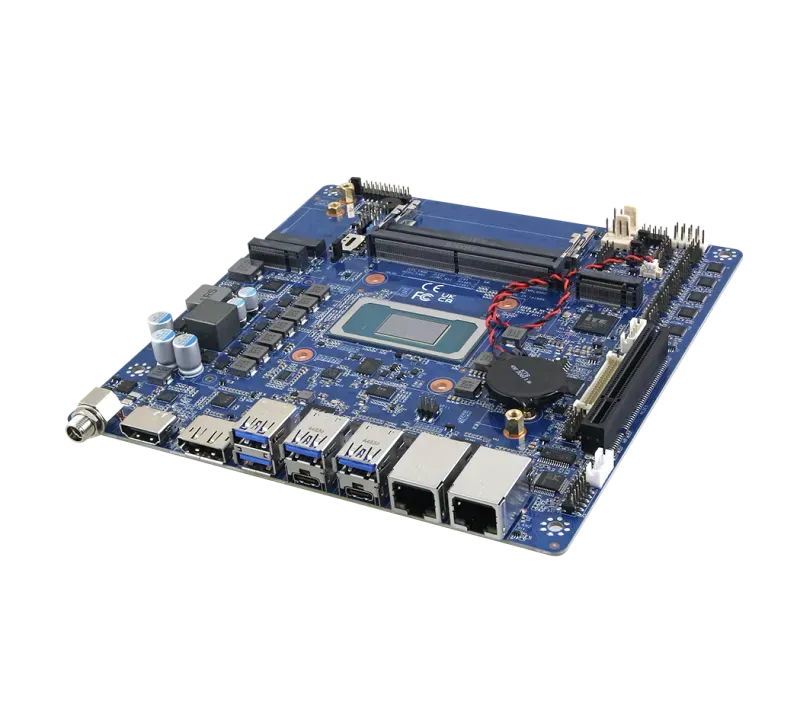
*Prix sur demande. Contactez-nous pour un devis.
Points forts
- Intel Core Ultra processor (Series 3), AI-capable
- 2 x DDR5 SO-DIMM/CSoDIMM 6400/7200MHz, up to 64GB
- uBMC (IT5792) remote out-of-band management with IPMI
- Quadruple Independent Display: HDMI 2.1 + DP 1.4a + 2x USB-C + LVDS/eDP
- 1 x PCIe x8 Gen5 (H484) + dual M.2 Key-M NVMe (Gen5 & Gen4)
- M.2 Key-B (5G/WWAN+GNSS) + M.2 Key-E (Wi-Fi/CNVi)
- Onboard TPM 2.0 (NuvoTon NPCT760)
- 2 x 6W 8Ω onboard audio amplifier
- Thin Mini-ITX form factor
Description du produit
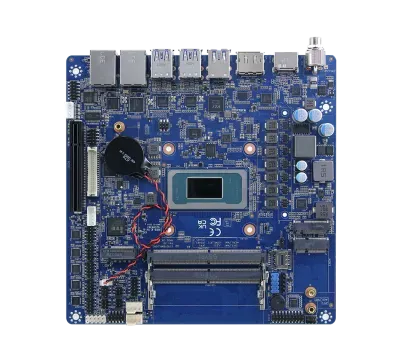
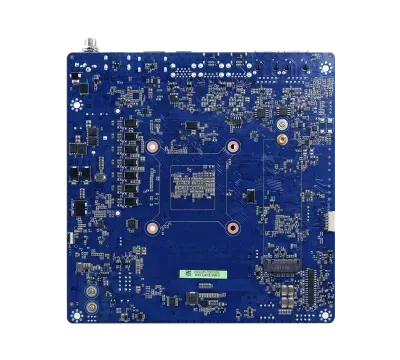
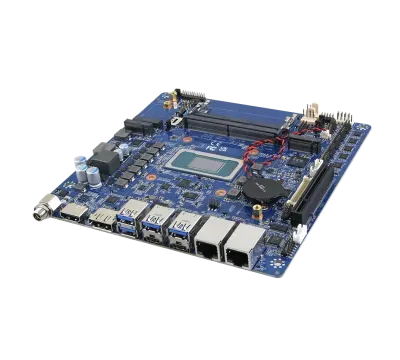
The Avalue EMX-PTLP is a Thin Mini-ITX industrial motherboard for Intel Core Ultra processors (Series 3), pairing high-performance AI-capable compute with dual DDR5 SO-DIMM/CSoDIMM sockets (6400/7200MHz, up to 64GB) and onboard TPM 2.0.
A uBMC controller provides remote out-of-band management with IPMI support, making the EMX-PTLP a serviceable, secure platform for edge servers, AI inference nodes, and high-end industrial systems.
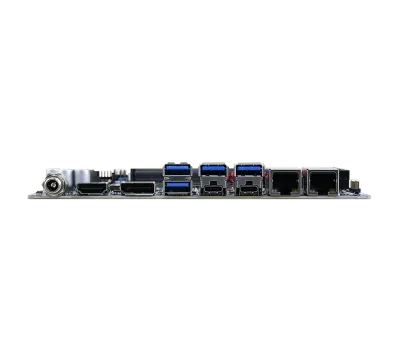
Graphics scale to quadruple independent display via HDMI 2.1, DisplayPort 1.4a (each up to 7680x4320 @ 30Hz), dual USB Type-C (3840x2160 @ 60Hz) and LVDS/eDP.
Expansion is generous for the form factor: a PCIe x8 Gen5 slot (H484), dual M.2 Key-M NVMe (PCIe Gen5 and Gen4), an M.2 Key-B slot with 5G/WWAN+GNSS, and an M.2 Key-E for Wi-Fi/CNVi, with a 2 x 6W audio amplifier onboard.
Caractéristiques techniques
Qu'est-ce que le EMX-PTLP ?
The EMX-PTLP is a carte mère industrielle et embarquée manufactured by Avalue, designed specifically for mini-itx applications. It features réseau of CPU Temperature Monitoring, Voltage Monitoring, CPU Fan Speed Control, os of AMI uEFI BIOS, 256Mbit SPI Flash ROM and certification of CE, FCC, RoHS Compliant. The Avalue EMX-PTLP is a Thin Mini-ITX industrial motherboard for Intel Core Ultra processors (Series 3), pairing high-performance AI-capable compute with dual DDR5 SO-DIMM/CSoDIMM sockets (6400/7200MHz, up to 64GB) and onboard TPM 2.0. A uBMC controller provides remote out-of-band management with IPMI support, making the EMX-PTLP a serviceable, secure platform for edge servers, AI inference nodes, and high-end industrial systems. Graphics scale to quadruple independent display via HDMI 2.1, DisplayPort 1.4a (each up to 7680x4320 @ 30Hz), dual USB Type-C (3840x2160 @ 60Hz) and LVDS/eDP. Expansion is generous for the form factor: a PCIe x8 Gen5 slot (H484), dual M.2 Key-M NVMe (PCIe Gen5 and Gen4), an M.2 Key-B slot with 5G/WWAN+GNSS, and an M.2 Key-E for Wi-Fi/CNVi, with a 2 x 6W audio amplifier onboard.
Caractéristiques et avantages clés
- Intel Core Ultra processor (Series 3), AI-capable
- 2 x DDR5 SO-DIMM/CSoDIMM 6400/7200MHz, up to 64GB
- uBMC (IT5792) remote out-of-band management with IPMI
- Quadruple Independent Display: HDMI 2.1 + DP 1.4a + 2x USB-C + LVDS/eDP
- 1 x PCIe x8 Gen5 (H484) + dual M.2 Key-M NVMe (Gen5 & Gen4)
- M.2 Key-B (5G/WWAN+GNSS) + M.2 Key-E (Wi-Fi/CNVi)
- Onboard TPM 2.0 (NuvoTon NPCT760)
- 2 x 6W 8Ω onboard audio amplifier
- Thin Mini-ITX form factor
Applications et cas d'usage
Le EMX-PTLP est idéal pour de nombreuses applications d'automatisation industrielle :
- Wireless connectivity and remote monitoring applications
- High-performance computing and data processing tasks
- Peripheral device connectivity and data transfer
- Memory-intensive applications and multitasking
- Visual monitoring and data display systems
- Custom industrial computing solutions
- Industrial automation platforms
- Embedded system development