
Avalue · Computer-on-Module (COM)
EQM-EHL-B1
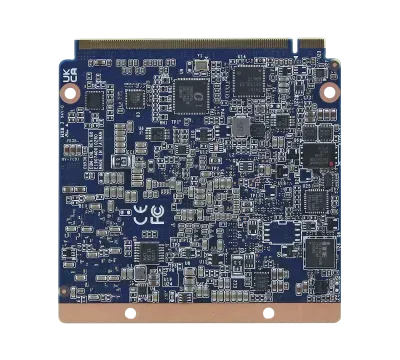
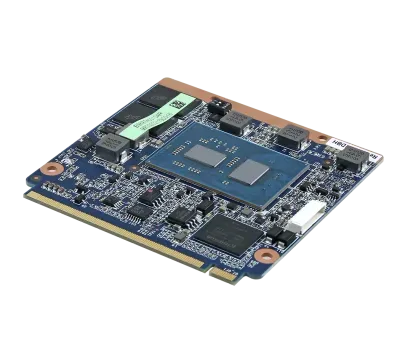
*Prix sur demande. Contactez-nous pour un devis.
Points forts
- Computer-on-Module Qseven (70 x 70 mm), conforme à la Rev. 2.1
- Processeur SoC Intel Celeron (Elkhart Lake)
- LPDDR4 8GB monocanal intégrée @ 3200MT/s
- Stockage eMMC 5.1 128GB intégré
- TPM 2.0 intégré
- Graphique Intel Gen11 LP, jusqu'à 2 affichages indépendants (DP/HDMI/eDP/LVDS, 4K)
- 4 x PCIe x1 Gen3, Intel I226LM GbE
- 1 x USB 3.2 Gen1 + 8 x USB 2.0, 2 x SATA III
- Température de fonctionnement de 0°C à 60°C, stockage de -40°C à 85°C
- Windows 10/11 IoT Enterprise / Linux ; CE, FCC, RoHS
Description du produit
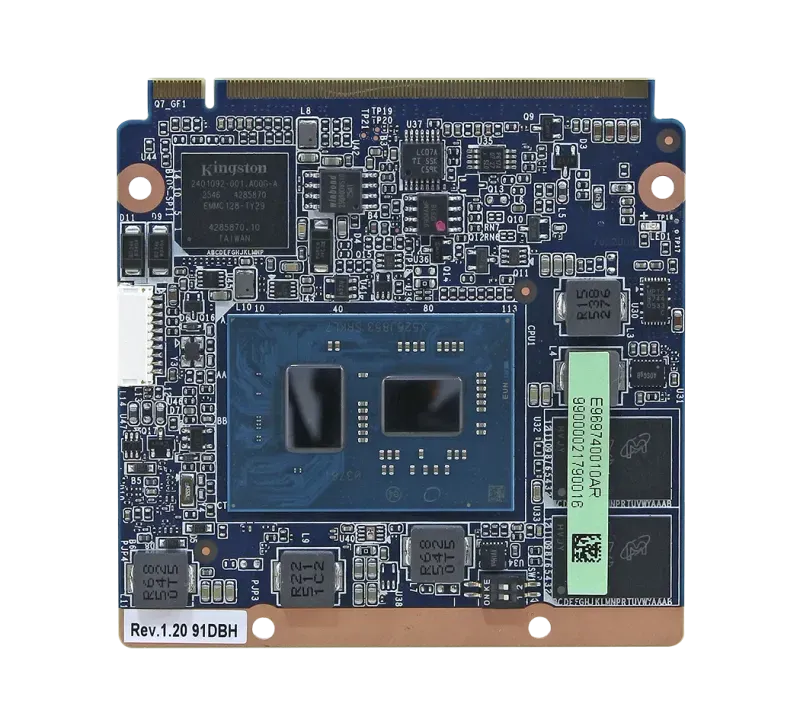
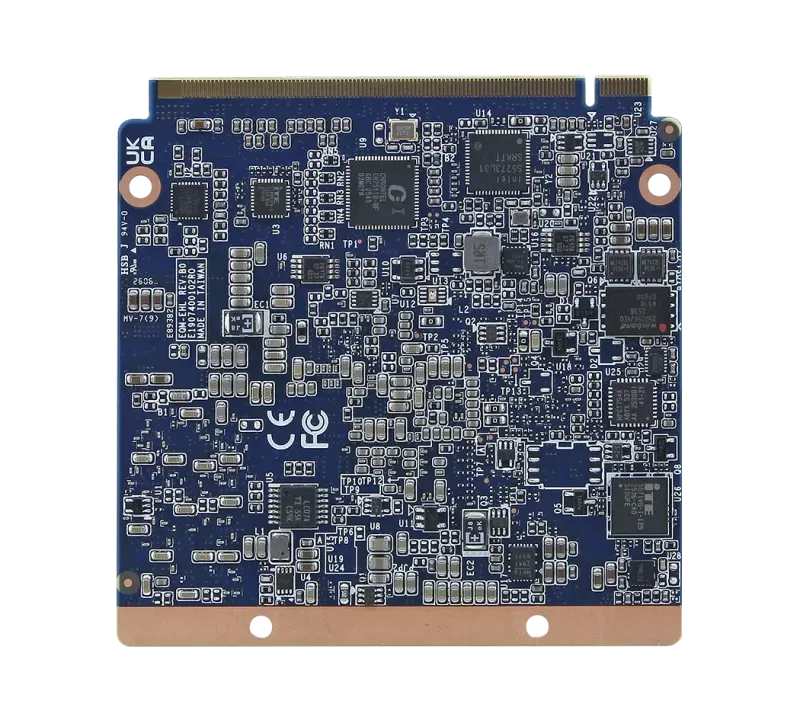
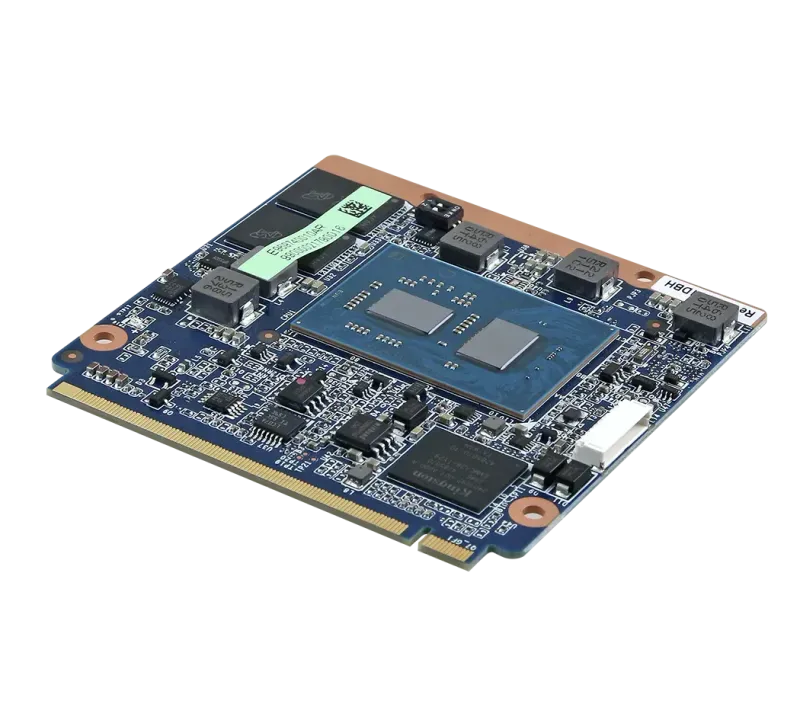
L'Avalue EQM-EHL-B1 est un Computer-on-Module (COM) Qseven (70mm x 70mm) construit sur la plateforme Intel Celeron SoC (Elkhart Lake), mis à jour selon la spécification Qseven Rev. 2.1, offrant un cœur de calcul compact et basse consommation pour les conceptions embarquées et IoT.
Il intègre une mémoire LPDDR4 monocanal de 8GB à 3200MT/s, un stockage eMMC 5.1 de 128GB et un TPM 2.0 pour le démarrage sécurisé, directement sur le module.
La prise en charge de l'affichage couvre DP 1.4, HDMI 2.0b, eDP 1.3 et LVDS jusqu'à 4096x2160 sur 2 écrans indépendants, avec l'Ethernet Gigabit Intel I226LM, 4x PCIe x1 Gen3, 1x USB 3.2 Gen1 avec 8x USB 2.0 et 2x SATA III.
Il fonctionne sous Windows 10, Windows 11 IoT Enterprise ou Linux sur une plage de température de fonctionnement de 0 à 60 °C, ce qui convient à l'automatisation industrielle, aux passerelles IoT et aux applications de vision industrielle.
TSL Automation Solutions fournit et assure le support de l'EQM-EHL-B1 en Inde.
Caractéristiques techniques
Qu'est-ce que le EQM-EHL-B1 ?
The EQM-EHL-B1 is a computer-on-module (com) manufactured by Avalue, designed specifically for qseven applications. It features réseau of Monitoring System Temperature, Voltage with Auto Throttling Control, os of AMI uEFI BIOS, 256 Mbit SPI Flash ROM and certification of CE, FCC Class, RoHS Compliant. L'Avalue EQM-EHL-B1 est un Computer-on-Module (COM) Qseven (70mm x 70mm) construit sur la plateforme Intel Celeron SoC (Elkhart Lake), mis à jour selon la spécification Qseven Rev. 2.1, offrant un cœur de calcul compact et basse consommation pour les conceptions embarquées et IoT. Il intègre une mémoire LPDDR4 monocanal de 8GB à 3200MT/s, un stockage eMMC 5.1 de 128GB et un TPM 2.0 pour le démarrage sécurisé, directement sur le module. La prise en charge de l'affichage couvre DP 1.4, HDMI 2.0b, eDP 1.3 et LVDS jusqu'à 4096x2160 sur 2 écrans indépendants, avec l'Ethernet Gigabit Intel I226LM, 4x PCIe x1 Gen3, 1x USB 3.2 Gen1 avec 8x USB 2.0 et 2x SATA III. Il fonctionne sous Windows 10, Windows 11 IoT Enterprise ou Linux sur une plage de température de fonctionnement de 0 à 60 °C, ce qui convient à l'automatisation industrielle, aux passerelles IoT et aux applications de vision industrielle. TSL Automation Solutions fournit et assure le support de l'EQM-EHL-B1 en Inde.
Caractéristiques et avantages clés
- Computer-on-Module Qseven (70 x 70 mm), conforme à la Rev. 2.1
- Processeur SoC Intel Celeron (Elkhart Lake)
- LPDDR4 8GB monocanal intégrée @ 3200MT/s
- Stockage eMMC 5.1 128GB intégré
- TPM 2.0 intégré
- Graphique Intel Gen11 LP, jusqu'à 2 affichages indépendants (DP/HDMI/eDP/LVDS, 4K)
- 4 x PCIe x1 Gen3, Intel I226LM GbE
- 1 x USB 3.2 Gen1 + 8 x USB 2.0, 2 x SATA III
- Température de fonctionnement de 0°C à 60°C, stockage de -40°C à 85°C
- Windows 10/11 IoT Enterprise / Linux ; CE, FCC, RoHS
Applications et cas d'usage
Le EQM-EHL-B1 est idéal pour de nombreuses applications d'automatisation industrielle :
- Extreme temperature environments and outdoor installations
- High-performance computing and data processing tasks
- Peripheral device connectivity and data transfer
- Memory-intensive applications and multitasking
- Internet of Things (IoT) and edge computing
- Industrial automation and control
- Manufacturing process monitoring
- Quality assurance and inspection