
Avalue · Computer-on-Module (COM)
SMA-X8I
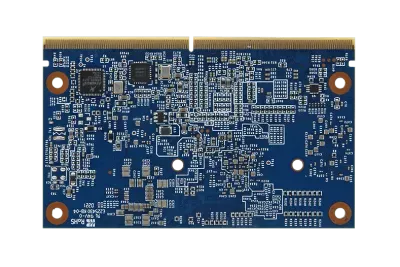
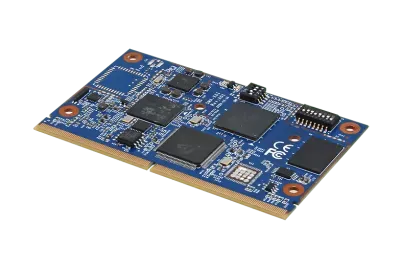
*Prix sur demande. Contactez-nous pour un devis.
Points forts
- SMARC Computer-on-Module (82 x 50 mm)
- Onboard NXP i.MX 8M Mini processor
- 2GB DDR, 16GB eMMC
- RGMII Ethernet, MIPI CSI
- 4x USB 2.0, 1x USB OTG, PCIe x1
- 3x UART, 3x I2C, I2S, 2x ECSPI, 2x SDIO, GPIO
- Wide -40~85°C operating
- Linux Yocto 3.0 / Android 10
- CE, FCC Class B
Description du produit
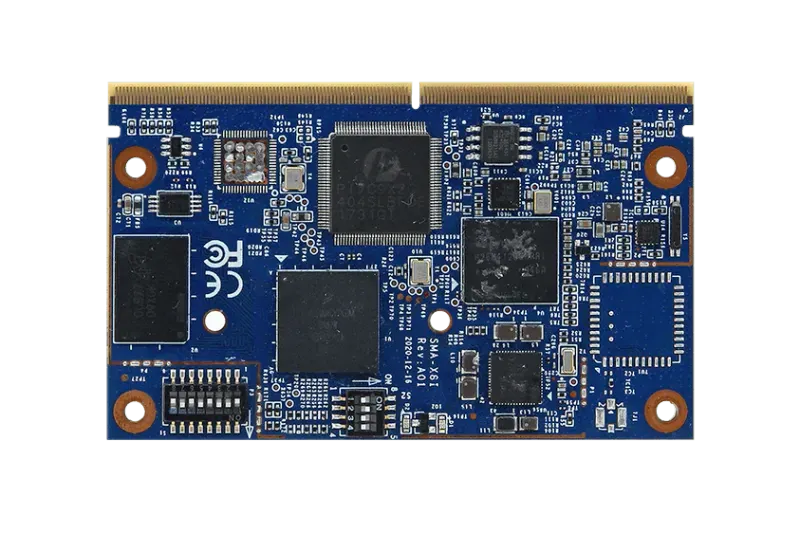
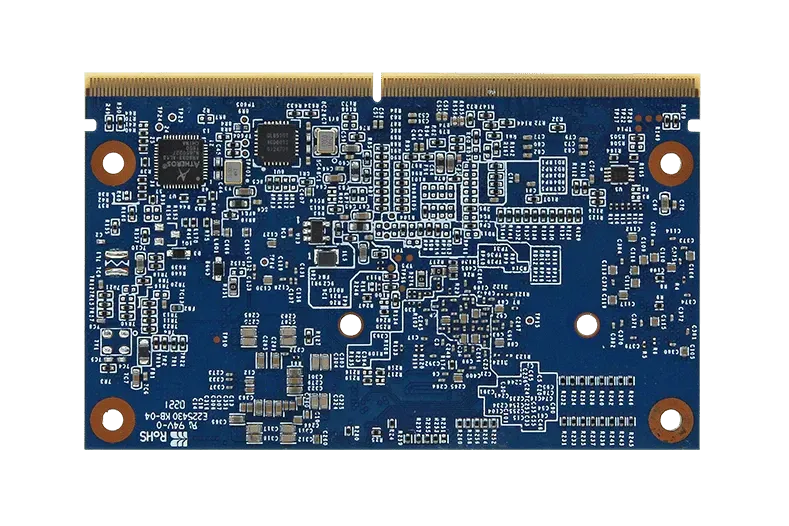
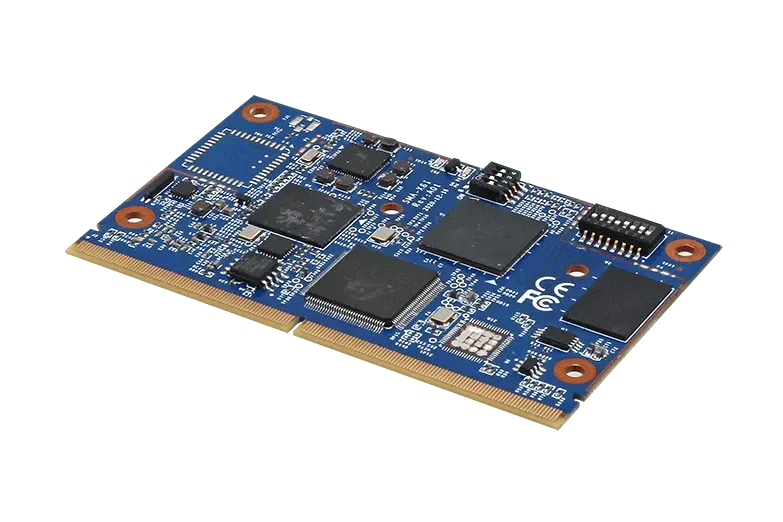
The Avalue SMA-X8I is a SMARC (82 x 50 mm) Computer-on-Module built on the onboard NXP i.MX 8M Mini processor, designed as a compact, low-power, rugged connectorised compute core for embedded and IoT designs.
With 2GB DDR and 16GB eMMC, it delivers efficient Arm compute through the standardised SMARC connector running Linux Yocto 3.0 or Android 10.
It exposes USB 2.0/OTG, RGMII Ethernet, MIPI CSI, PCIe x1, multiple UART/I2C, I2S, dual SDIO, ECSPI and GPIO over a wide -40~85°C range.
Caractéristiques techniques
Qu'est-ce que le SMA-X8I ?
The SMA-X8I is a computer-on-module (com) manufactured by Avalue, designed specifically for smarc applications. It features os of Linux Yocto Version 3.0 Android Version 10 and certification of CE, FCC Class B. The Avalue SMA-X8I is a SMARC (82 x 50 mm) Computer-on-Module built on the onboard NXP i.MX 8M Mini processor, designed as a compact, low-power, rugged connectorised compute core for embedded and IoT designs. With 2GB DDR and 16GB eMMC, it delivers efficient Arm compute through the standardised SMARC connector running Linux Yocto 3.0 or Android 10. It exposes USB 2.0/OTG, RGMII Ethernet, MIPI CSI, PCIe x1, multiple UART/I2C, I2S, dual SDIO, ECSPI and GPIO over a wide -40~85°C range.
Caractéristiques et avantages clés
- SMARC Computer-on-Module (82 x 50 mm)
- Onboard NXP i.MX 8M Mini processor
- 2GB DDR, 16GB eMMC
- RGMII Ethernet, MIPI CSI
- 4x USB 2.0, 1x USB OTG, PCIe x1
- 3x UART, 3x I2C, I2S, 2x ECSPI, 2x SDIO, GPIO
- Wide -40~85°C operating
- Linux Yocto 3.0 / Android 10
- CE, FCC Class B
Applications et cas d'usage
Le SMA-X8I est idéal pour de nombreuses applications d'automatisation industrielle :
- High-performance computing and data processing tasks
- Networked industrial systems and data communication
- Peripheral device connectivity and data transfer
- Memory-intensive applications and multitasking
- Internet of Things (IoT) and edge computing
- Industrial automation and control
- Manufacturing process monitoring
- Quality assurance and inspection