
In-Vehicle PC Buying Guide: Rugged Computers for Vehicles and Mobile Equipment
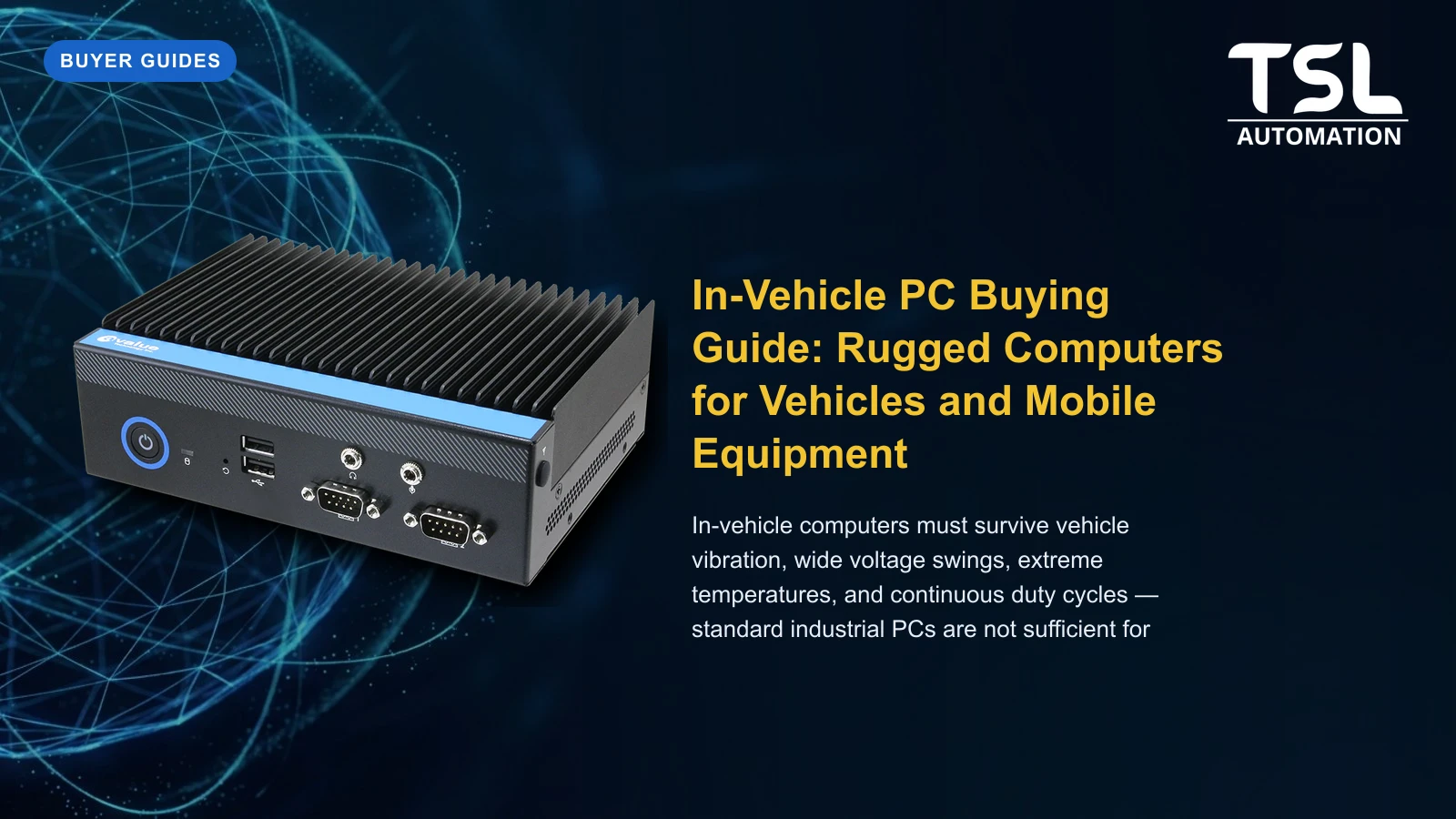
Table of Contents
Key Requirements for In-Vehicle Computers
Wide Voltage Input
Vehicle electrical systems are noisy and variable. A 12V vehicle battery actually swings from 9V (cranking) to 16V (alternator charging). Heavy diesel vehicles use 24V systems that swing from 18V to 32V. In-vehicle PCs must accept these voltage ranges without damage. Avalue in-vehicle platforms typically accept 9–36V DC or 16–160V DC input.
Ignition Sensing and Power Management
In-vehicle PCs should start automatically when the ignition is switched on and perform a controlled shutdown when it is switched off — without data corruption. Ignition input sensing and configurable power-on/power-off delay timers are essential features for vehicle-mounted computers.
Vibration and Shock
Vehicle vibration — especially on construction sites, off-road terrain, or railway tracks — is far more severe than factory floor vibration. In-vehicle PCs must be tested to MIL-STD-810G Method 514.6 (vibration) and Method 516.6 (shock) or equivalent standards. Solid-state storage is mandatory.
Operating Temperature
Vehicle cabins can reach 80°C+ in direct sun before air conditioning is activated. In-vehicle PCs must operate through cold starts at −20°C to −40°C and survive cabin temperatures during summer parking. Wide temperature ratings of −20°C to 70°C are the minimum; −40°C to 85°C for extreme climates.
Typical In-Vehicle Applications
- Fleet management (GPS, telemetry, video)
- Railway passenger information systems
- Mining and construction equipment data logging
- Emergency vehicle dispatch computers
- Port and warehouse AGV controllers
Frequently Asked Questions
TSL Automation Solutions
Head of Marketing, TSL Automation Solutions
Sanjana covers industrial automation trends, product launches, and technology insights for TSL Automation Solutions, a Mumbai-based distributor of HMI, Panel PC, and embedded computing systems serving manufacturers across India and globally.
Need help choosing the right product?
Our team in Mumbai can recommend the right HMI, Panel PC, or embedded system for your application.
Contact TSL AutomationRelated Products
Related Articles
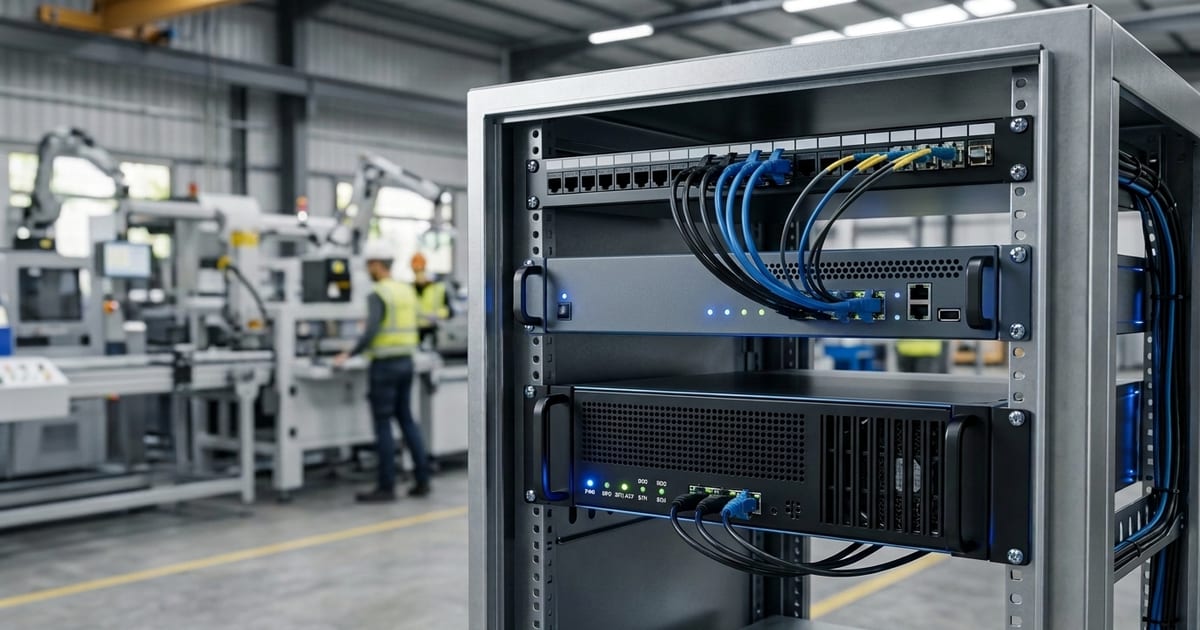
How to Choose an Edge AI Server: A Buyer’s Guide for On-Site AI & Machine Vision
Aug 4, 2026
Android vs Windows Panel PC for Self-Service Kiosks and QSR: Which Should You Pick?
May 20, 2026
COM Express vs SMARC vs Qseven: Which Computer-on-Module Standard Should You Pick?
May 20, 2026