
Avalue · Computing System
ACS-ADN2C
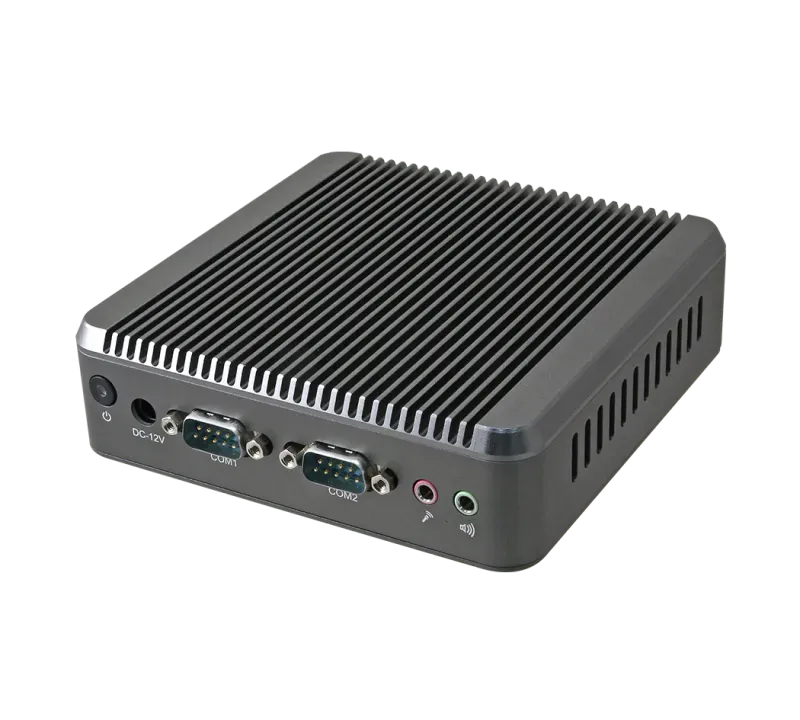
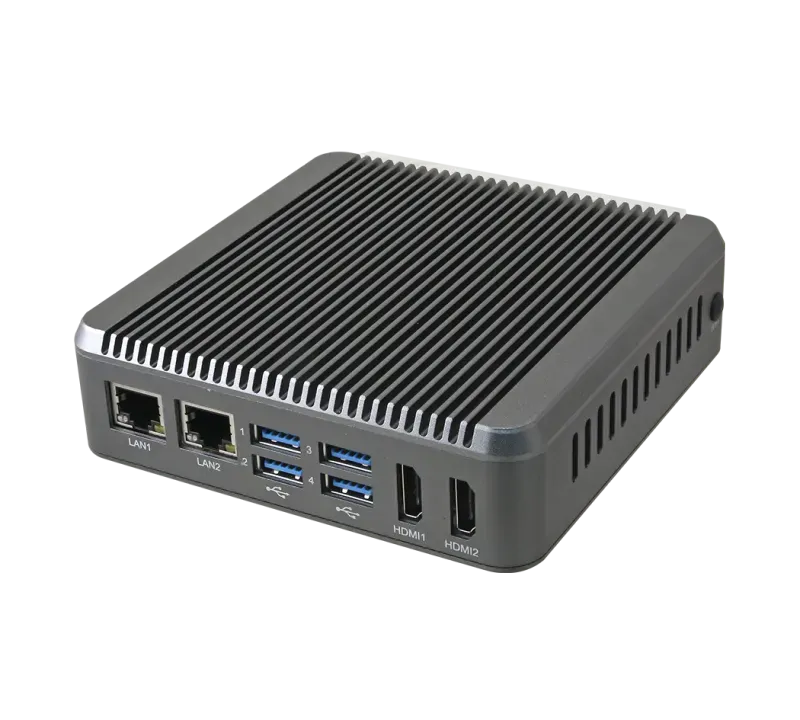
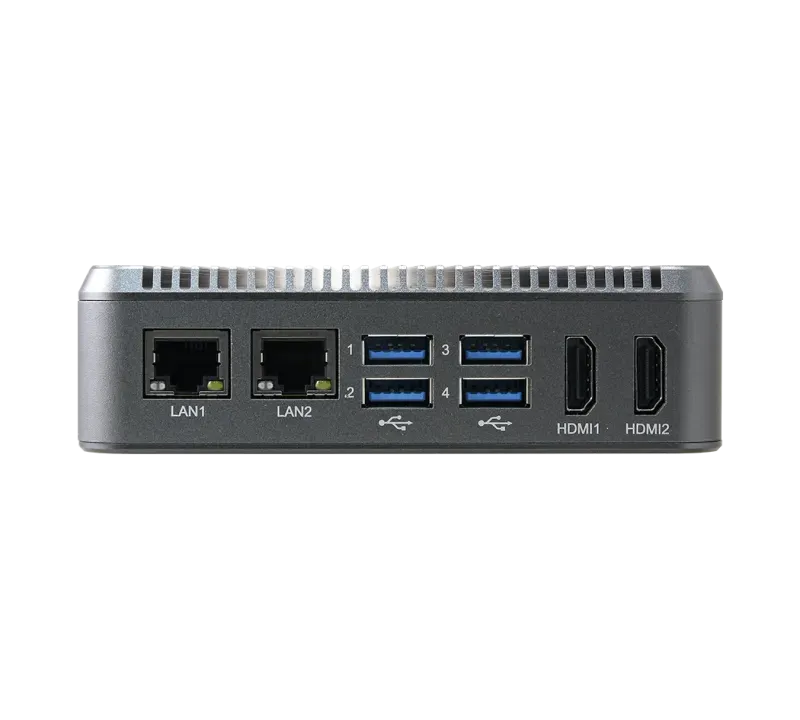
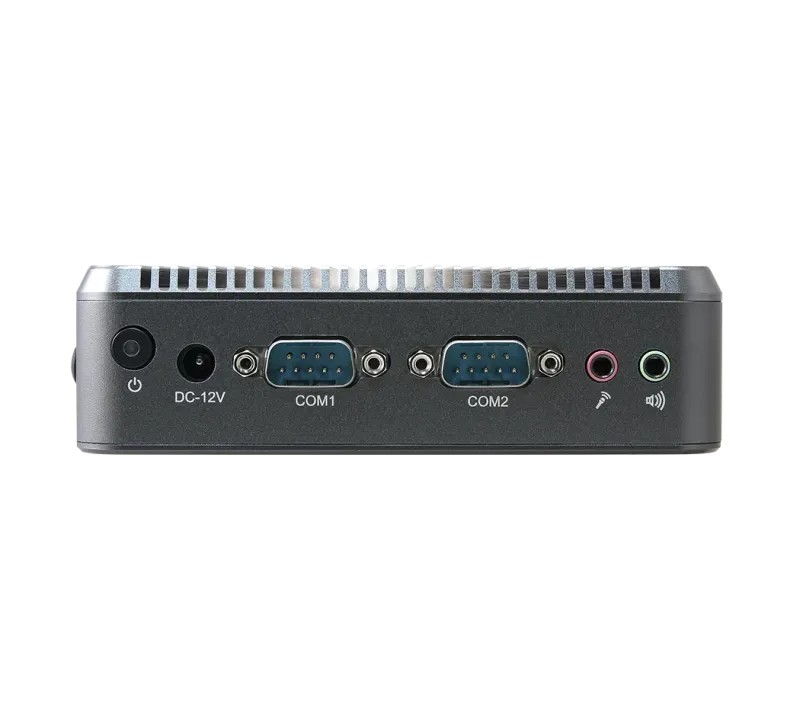
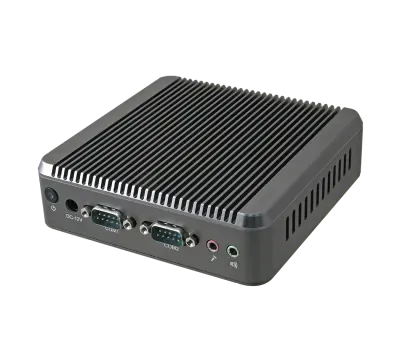
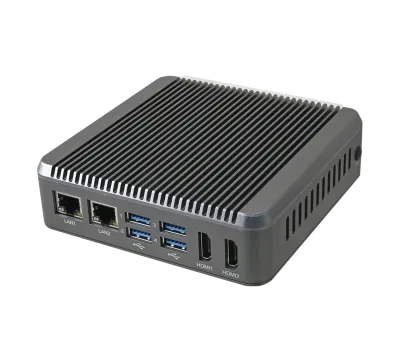
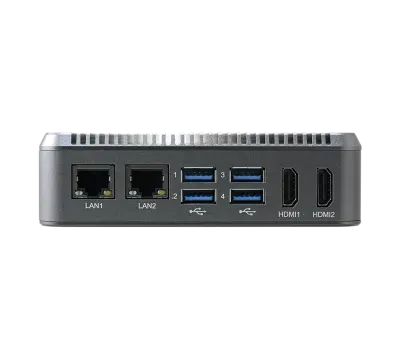
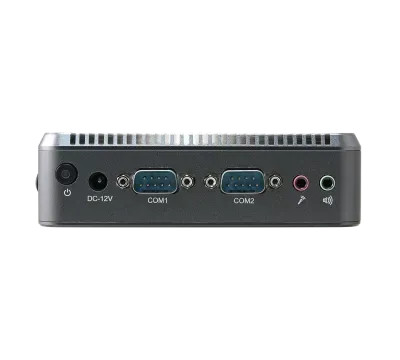
*Price on request. Contact us for a quote.
Highlights
- Intel Alder Lake-N series processor, fanless
- 1 x DDR5 4800MHz SO-DIMM, up to 16GB
- Default 128GB M.2 2242 Key-M SSD + M.2 Key-E 2230 slot
- Dual HDMI output, 4096x2160 @ 60Hz (Intel UHD Graphics)
- 4 x USB 3.0, 2 x RS-232 (DB9)
- Dual Realtek 8111H Gigabit Ethernet
- Line-out + Mic-in audio
- Single 12V DC input (36W adapter)
- Ultra-compact 129 x 129 x 39 mm, Windows 10 / Linux
Product Description
The Avalue ACS-ADN2C is an ultra-compact fanless computing system built on the Intel Alder Lake-N series processor, pairing low-power efficiency with a 129 x 129 x 39 mm chassis ideal for space-constrained industrial, kiosk, and edge deployments.
It ships with a DDR5 4800MHz SO-DIMM (up to 16GB) and a default 128GB M.2 2242 Key-M SSD, with an additional M.2 Key-E 2230 slot for wireless expansion.
Despite its tiny footprint, the ACS-ADN2C offers practical industrial I/O: dual HDMI outputs (each 4096x2160 @ 60Hz via Intel UHD Graphics), four USB 3.0 ports, two RS-232 (DB9) COM ports, dual Gigabit Ethernet (Realtek 8111H), and line-out/mic-in audio.
A single 12V DC input (36W) and a 0°C to 40°C operating range make it a simple, reliable drop-in compute node running Windows 10 or Linux.
Technical Specifications
What is ACS-ADN2C?
The ACS-ADN2C is a computing system manufactured by Avalue, designed specifically for compact-computing-system applications. It features processor of Intel® Alder lake N series Processor, memory of 1 x SO-DIMM DDR5 4800MHz up to 16GB and storage of -30℃~70℃(-22℉~158℉). The Avalue ACS-ADN2C is an ultra-compact fanless computing system built on the Intel Alder Lake-N series processor, pairing low-power efficiency with a 129 x 129 x 39 mm chassis ideal for space-constrained industrial, kiosk, and edge deployments. It ships with a DDR5 4800MHz SO-DIMM (up to 16GB) and a default 128GB M.2 2242 Key-M SSD, with an additional M.2 Key-E 2230 slot for wireless expansion. Despite its tiny footprint, the ACS-ADN2C offers practical industrial I/O: dual HDMI outputs (each 4096x2160 @ 60Hz via Intel UHD Graphics), four USB 3.0 ports, two RS-232 (DB9) COM ports, dual Gigabit Ethernet (Realtek 8111H), and line-out/mic-in audio. A single 12V DC input (36W) and a 0°C to 40°C operating range make it a simple, reliable drop-in compute node running Windows 10 or Linux.
Key Features & Benefits
- Intel Alder Lake-N series processor, fanless
- 1 x DDR5 4800MHz SO-DIMM, up to 16GB
- Default 128GB M.2 2242 Key-M SSD + M.2 Key-E 2230 slot
- Dual HDMI output, 4096x2160 @ 60Hz (Intel UHD Graphics)
- 4 x USB 3.0, 2 x RS-232 (DB9)
- Dual Realtek 8111H Gigabit Ethernet
- Line-out + Mic-in audio
- Single 12V DC input (36W adapter)
- Ultra-compact 129 x 129 x 39 mm, Windows 10 / Linux
Applications & Use Cases
The ACS-ADN2C is ideal for various industrial automation applications:
- Dust-sensitive environments and silent operation requirements
- DC-powered industrial installations and mobile applications
- Legacy equipment integration and serial communication
- High-performance computing and data processing tasks
- Networked industrial systems and data communication
- Peripheral device connectivity and data transfer
- Memory-intensive applications and multitasking
- Data logging and storage-intensive operations