
Android vs Windows Panel PC for Self-Service Kiosks and QSR: Which Should You Pick?
Table of Contents
The market has shifted
If you scope a new self-service kiosk or QSR rollout today, the OS question is no longer automatic. There is no authoritative public breakdown of kiosk OS share by shipments, but vendor product lines and market-report segmentation both point the same way: Android is growing fastest in new kiosk deployments, particularly in QSR and hospitality, while Windows retains the larger installed base. The cost case is clear: Android runs on inexpensive ARM SoCs, its core (AOSP) is open-source with no per-device royalty, and most dedicated kiosks run AOSP without Google Play (deployments that need Play Services require a separate Google Mobile Services licence), and the touch-first UX matches what users now expect from phones.
Where Android panel PCs win
- Single-purpose, touch-first UX — ordering, check-in, queue, menu boards, digital signage
- Lower BOM — ARM SoC, no Windows licence, smaller PSU, fanless
- Quiet, sealed, low-power — important for retail floors, hospitality, healthcare
- App distribution — Play Store / private app store / MDM rollout
- Long-life ARM platforms from industrial vendors (vs consumer tablets that go EOL fast)
Where Windows still wins
- Complex peripheral chains — banking terminals with biometric scanners, EMV pinpads with Windows-only middleware
- Legacy POS / EMR integrations built on Windows APIs
- Heavy multitasking or compute — DICOM viewers, on-device computer vision, anything that needs x86 software stacks
- Specific compliance regimes that mandate a particular Windows IoT release
Cost question: where does the licence add up?
Per-seat Windows IoT or Pro licences add measurable cost at fleet scale (hundreds-to-thousands of units), plus the matching x86 silicon needs more thermal headroom and power. For a sealed, single-app kiosk, the ARM/Android stack typically lands at a noticeably lower BOM. For a multi-app, multi-peripheral terminal, the licence is a rounding error vs the integration cost.
Decision frame in five questions
- Is this single-purpose or multi-app?
- Do you depend on any Windows-only middleware (POS, EMV, EMR, DICOM)?
- How many peripherals attach, and do they all have stable Android drivers?
- Is the device battery / low-power constrained?
- Will it ship in fleet quantities where per-seat licence cost matters?
Three or more answers tilting Android = pick ARM/Android. Two or more locked to Windows-only middleware = stay Windows.
What TSL Automation supplies
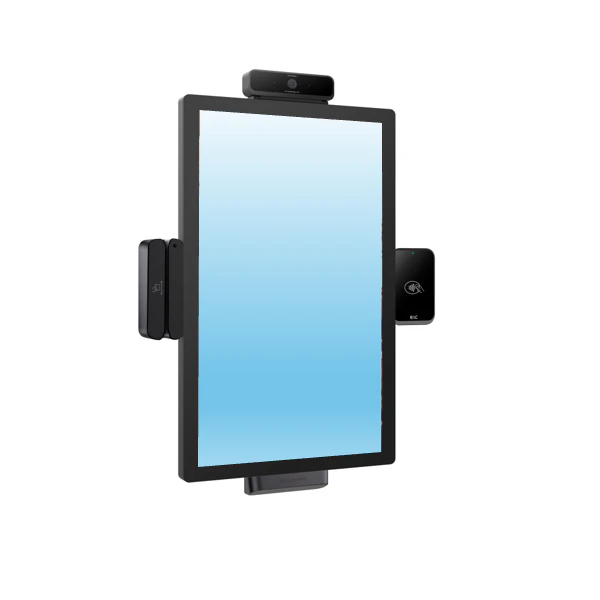
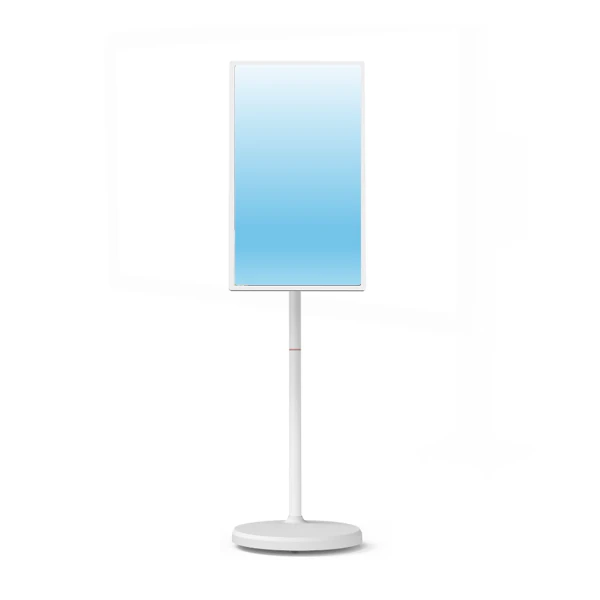
Avalue covers both sides — so you can standardise on one supplier across mixed estates. On the Android/ARM side, the ARM-based Panel PC range includes the RPC-1521242732WM AIO self-service kiosk series (15.6"/21.5"/24"/27"/32"), the RPC-152124KD kitchen display series, the RPC-212432SW Rockchip RK3576S portable panels and the RPC-10PO 10.95" Android tablet panel — see our ARM retail overview. On the Windows/x86 side, the Industrial Panel PC range covers complex-peripheral and legacy integrations. Contact our team with your peripheral list, app stack and fleet size and we'll shortlist either side — or both.
Frequently Asked Questions
TSL Automation Solutions
Head of Marketing, TSL Automation Solutions
Sanjana covers industrial automation trends, product launches, and technology insights for TSL Automation Solutions, a Mumbai-based distributor of HMI, Panel PC, and embedded computing systems serving manufacturers across India and globally.
Need help choosing the right product?
Our team in Mumbai can recommend the right HMI, Panel PC, or embedded system for your application.
Contact TSL AutomationRelated Products
Related Articles
How to Choose an Edge AI Server: A Buyer’s Guide for On-Site AI & Machine Vision
Aug 4, 2026
COM Express vs SMARC vs Qseven: Which Computer-on-Module Standard Should You Pick?
May 20, 2026
How to Choose a Control PC for AMR and AGV Autonomous Mobile Robots
May 20, 2026