
COM Express vs SMARC vs Qseven: Which Computer-on-Module Standard Should You Pick?
Table of Contents
Why the COM standard matters before the processor
When you build a long-life embedded product on a Computer-on-Module (COM), the module standard you commit to constrains your carrier-board design for years. Switching from COM Express to SMARC later means a new carrier board and re-validation. So picking the right standard up front matters more than picking the right processor — you can refresh the processor on the same connector.
The three mainstream standards at a glance
- COM Express (PICMG) — the workhorse for x86. COM Express Type 6 uses two 220-pin connectors (440 pins total) and comfortably hosts power envelopes well above 20W. Best for high-performance Intel/AMD designs needing rich PCIe lanes and multiple displays.
- SMARC (SGET) — a 314-pin edge connector aimed at small, rich-I/O modules. Power envelope target is around 6W. Supports both ARM and x86, which makes it the modern "future-proof" pick when you may pivot architectures.
- Qseven (SGET) — a 230-pin edge-connector module sized 70×70 mm with a specification maximum of 12 W. Simpler and slimmer than COM Express; well suited to lower-cost, less-complex carriers.
Match the standard to the project
Pick COM Express when…
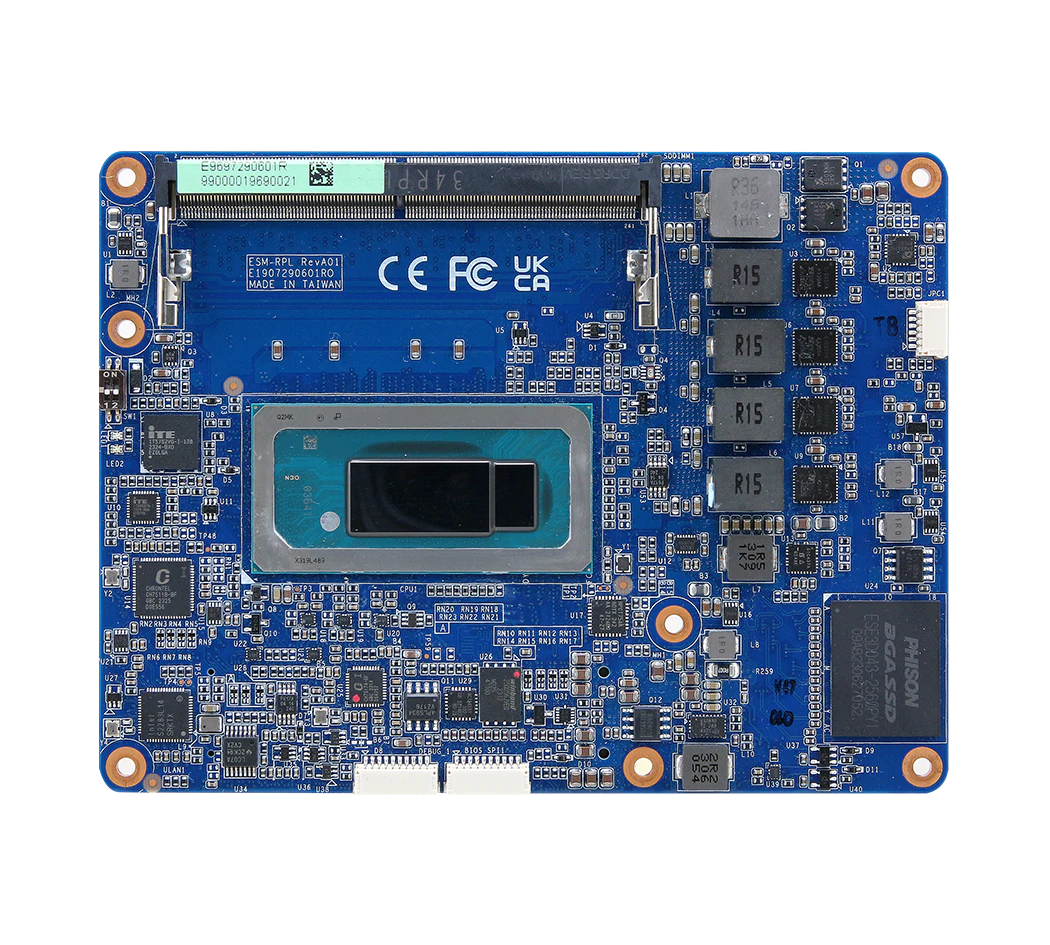
You need high-performance Intel Core/Xeon, multiple PCIe Gen4/Gen5 lanes for GPU/AI/storage expansion, dual or triple display output, and you don't mind the larger module and carrier real estate. Most industrial PCs, medical workstations and machine-vision controllers land here. See our COM Express Type 6 modules such as the ESM-RPL.
Pick SMARC when…
You want one carrier that can host either an ARM SoC or a low-power x86, you need a small footprint with rich I/O (camera, audio, CAN, multiple Ethernet), and you're targeting a sub-10W power envelope. Smart cameras, IoT gateways and handheld medical devices typically land here.
Pick Qseven when…
You need a lower-pin-count module with a simple carrier and a power envelope under ~12W (note that standard Qseven at 70×70 mm is physically larger than SMARC’s 82×50 mm module; the genuinely ultra-compact option is the 40×70 mm µQseven variant). Good for cost-sensitive panel-mounted devices and slim handhelds.
What about COM-HPC and OSM?
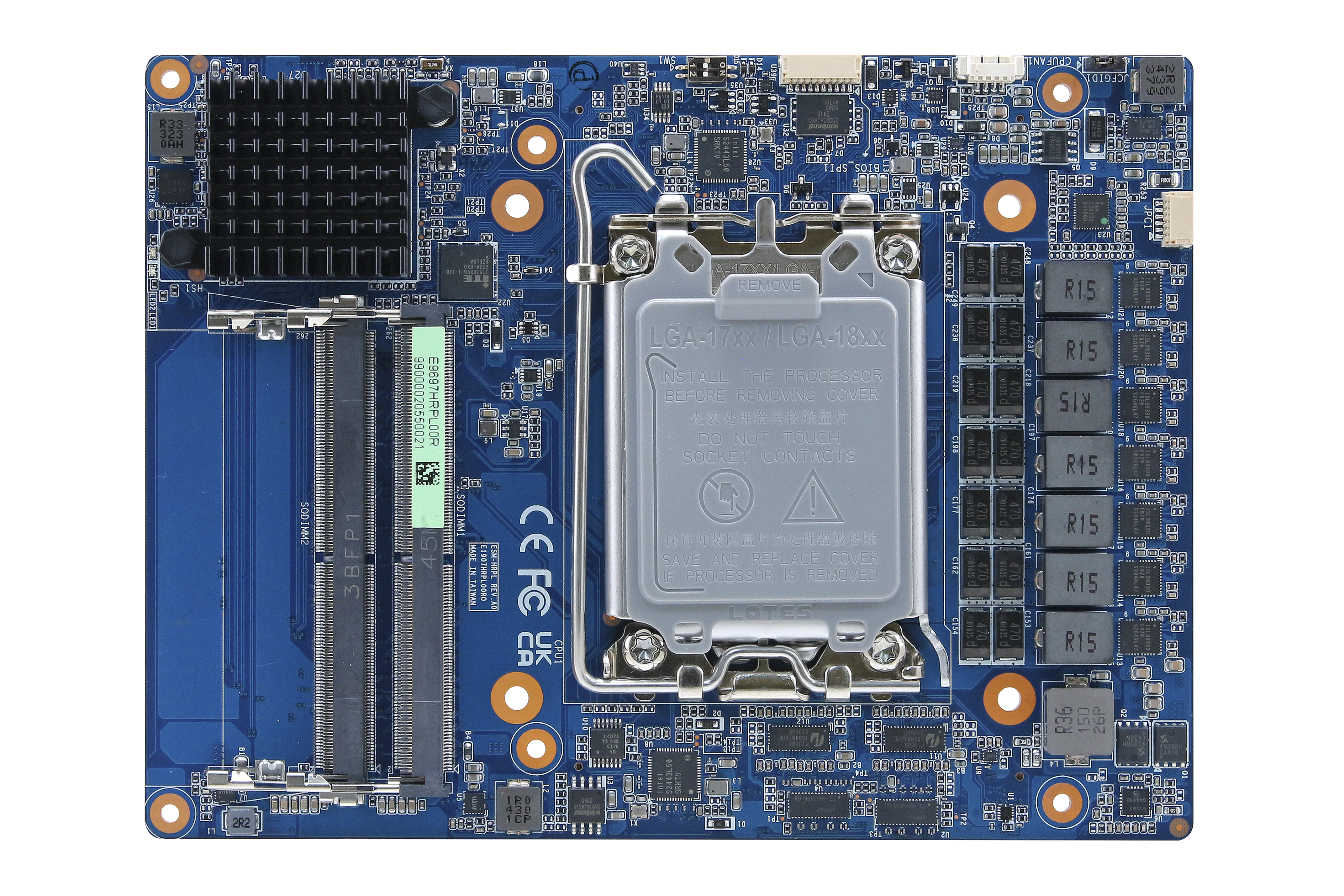
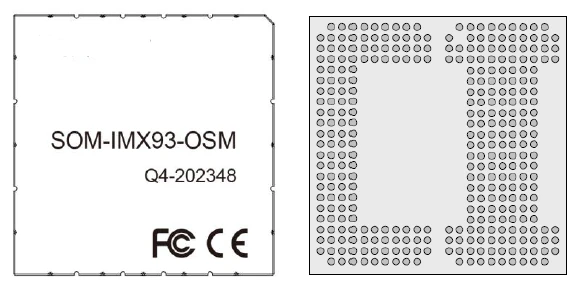
For very high-performance designs (server-class CPUs, 100GbE, PCIe Gen5 x16) the newer COM-HPC standard supersedes COM Express on capability — modules like the EEV-HC10 and ESM-HRPL target this tier. At the opposite end, Open Standard Module (OSM) is a solder-down, ultra-low-cost form factor (no connector at all) for very high-volume or vibration-critical designs.
Checklist before you commit
- Target power envelope and thermal budget
- Required PCIe lanes / display outputs / Ethernet ports
- ARM, x86 or both over the product's lifetime?
- Mechanical envelope of the end product
- Long-term availability of CPU options on that connector
- Existing carrier-board IP you can reuse
How TSL Automation can help
TSL Automation supplies COM Express, COM-HPC and Open Standard Modules from Avalue worldwide. We can help you shortlist a module + carrier strategy that matches your power, performance and product-life targets. Contact our team with your project brief.
Frequently Asked Questions
TSL Automation Solutions
Head of Marketing, TSL Automation Solutions
Sanjana covers industrial automation trends, product launches, and technology insights for TSL Automation Solutions, a Mumbai-based distributor of HMI, Panel PC, and embedded computing systems serving manufacturers across India and globally.
Need help choosing the right product?
Our team in Mumbai can recommend the right HMI, Panel PC, or embedded system for your application.
Contact TSL AutomationRelated Products
Related Articles
How to Choose an Edge AI Server: A Buyer’s Guide for On-Site AI & Machine Vision
Aug 4, 2026
Android vs Windows Panel PC for Self-Service Kiosks and QSR: Which Should You Pick?
May 20, 2026

How to Choose a Control PC for AMR and AGV Autonomous Mobile Robots
May 20, 2026