DDR5 vs DDR4 in Industrial Computing: Do You Actually Need DDR5?
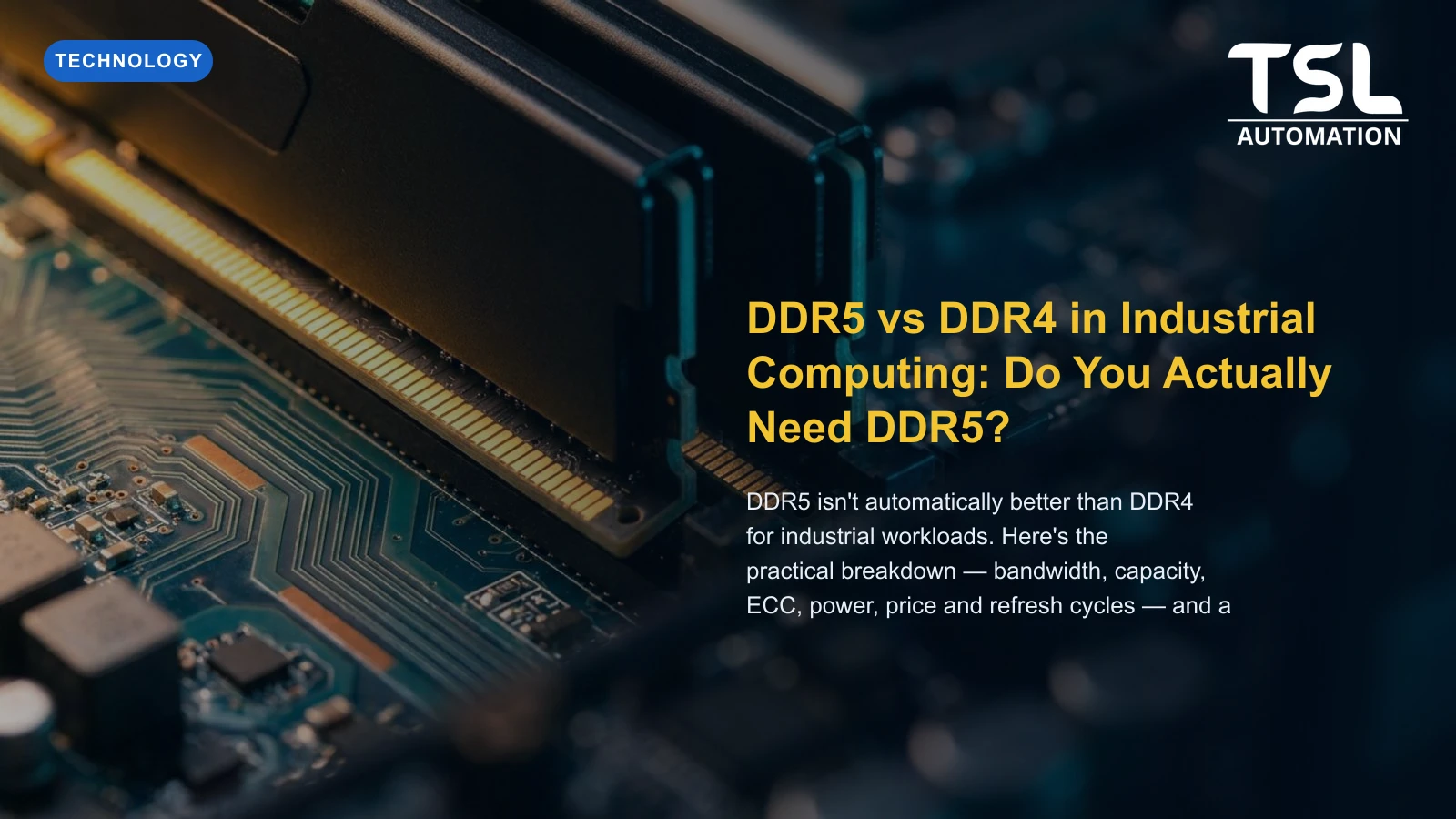
Table of Contents
What actually changed between DDR4 and DDR5
DDR5 isn't a small bump on DDR4 — it changes the memory architecture. Each DIMM splits into two independent 32-bit sub-channels (vs DDR4's single 64-bit channel), doubling channels per DIMM and improving access concurrency. The voltage drops from 1.2 V (DDR4) to 1.1 V (DDR5), voltage regulation moves from the motherboard onto the DIMM itself via an on-module PMIC, and DDR5 introduces on-die ECC for cell-level error correction — which is separate from system-level ECC.
The headline numbers
- Bandwidth — DDR5 starts where DDR4 ends (DDR5-4800 vs DDR4-3200) and now reaches DDR5-7200+ on modern industrial boards
- Per-DIMM capacity — DDR5 supports much larger single DIMMs, so the same slot count holds more memory
- Channels per DIMM — two sub-channels per DDR5 DIMM vs one channel on DDR4
- Voltage — 1.1 V vs 1.2 V; per-byte power use is generally lower but per-DIMM with the on-board regulator is comparable
- ECC — DDR5 has on-die ECC (always present, protects the cell array); system-level ECC (end-to-end) is still a separate spec
Where DDR5 clearly wins
- Memory-bound workloads — large in-memory analytics, video pipelines, AI/ML inference with large model footprints, 4K/8K display compositing
- High-capacity boards — when one or two slots must hold 64–96 GB to avoid extra slots and routing
- Latest-gen CPUs — Intel Core Ultra Series 3 and Xeon 6 platforms are DDR5-only, so pairing them with DDR4 isn't an option. 14th Gen Core (LGA1700) is the exception: it officially supports both DDR4-3200 and DDR5-5600, so there the motherboard decides, not the CPU
- Future-proofing 5+ year deployments where DDR4 availability will tighten
Where DDR4 is still fine
- HMIs and simple panel PCs running a single SCADA or HMI runtime — 4–8 GB DDR4 is more than enough
- Long-life embedded SBCs on Atom/Celeron-class CPUs — DDR4 silicon is mature, cheap, available
- Cost-sensitive bulk deployments where the per-unit memory delta matters more than peak bandwidth
- Validation re-use — when you have an existing DDR4 design with stable thermal/EMC validation, switching to DDR5 means a new platform
Don't confuse on-die ECC with full ECC
DDR5's on-die ECC is built into every DIMM, but it only protects the cell array — corruption on the bus between the DIMM and the CPU is not covered. For mission-critical industrial or medical computing where end-to-end protection matters, you still need a platform that supports full system-level ECC (a board, CPU and memory module that all support it). Specify it explicitly on the RFQ.
Industrial DDR5 platforms TSL supplies
Recent Avalue platforms on the DDR5 generation:
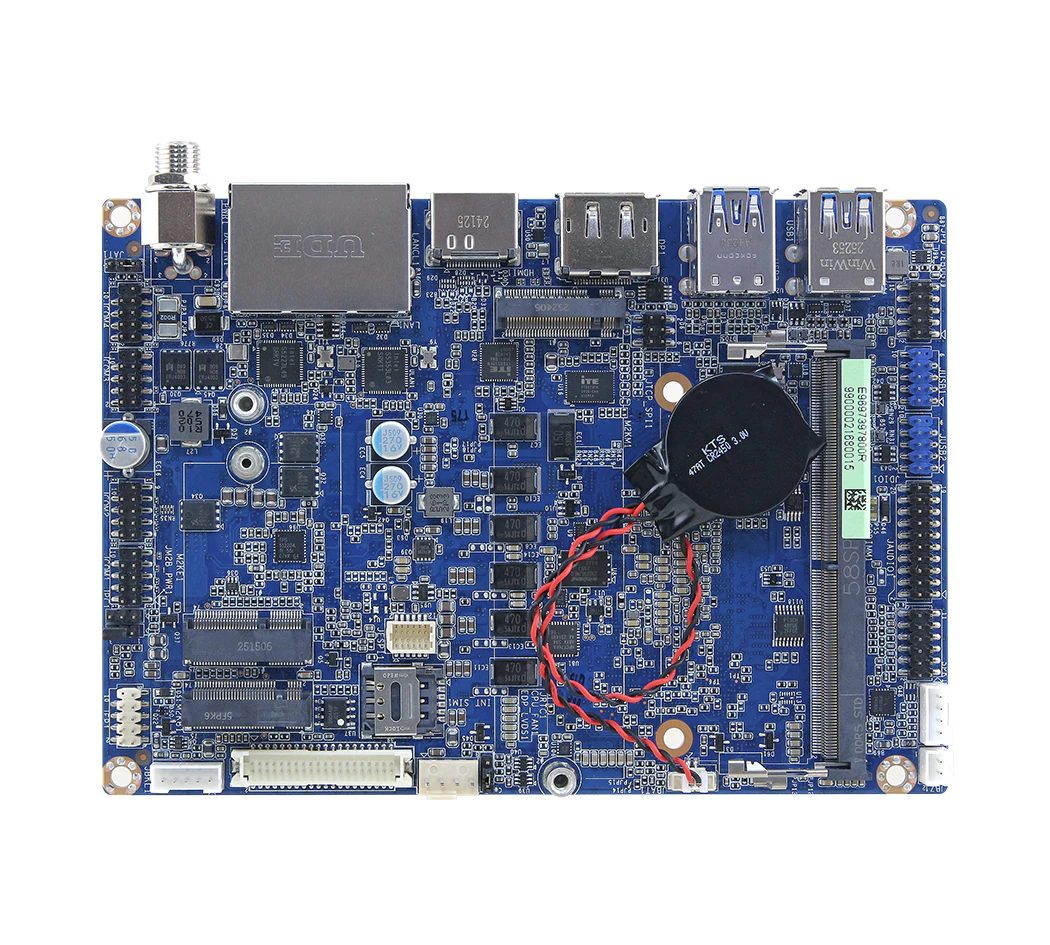
- ECM-PTL — 3.5" SBC, Intel Core Ultra Series 3, DDR5 up to 7200 MHz, PCIe Gen5 — see ECM-PTL coverage
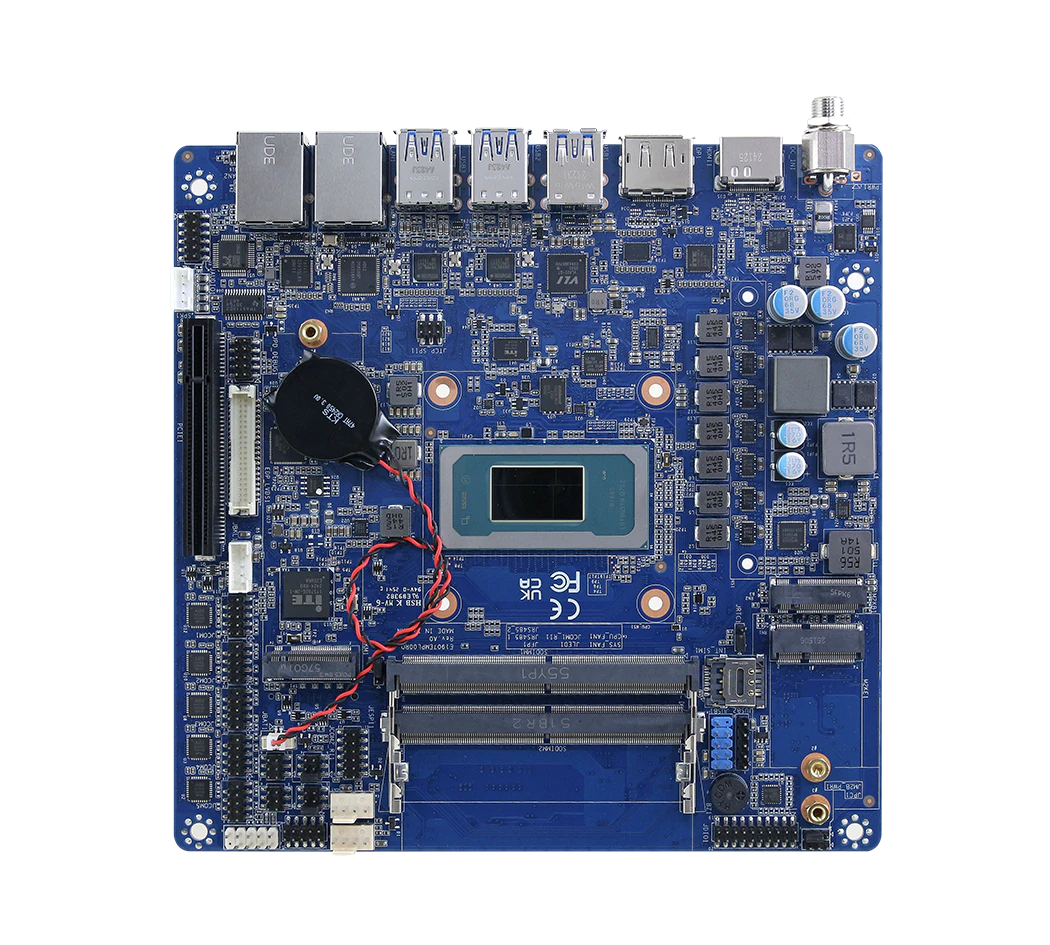
- EMX-PTLP — Thin Mini-ITX on Intel Core Ultra Series 3 with DDR5
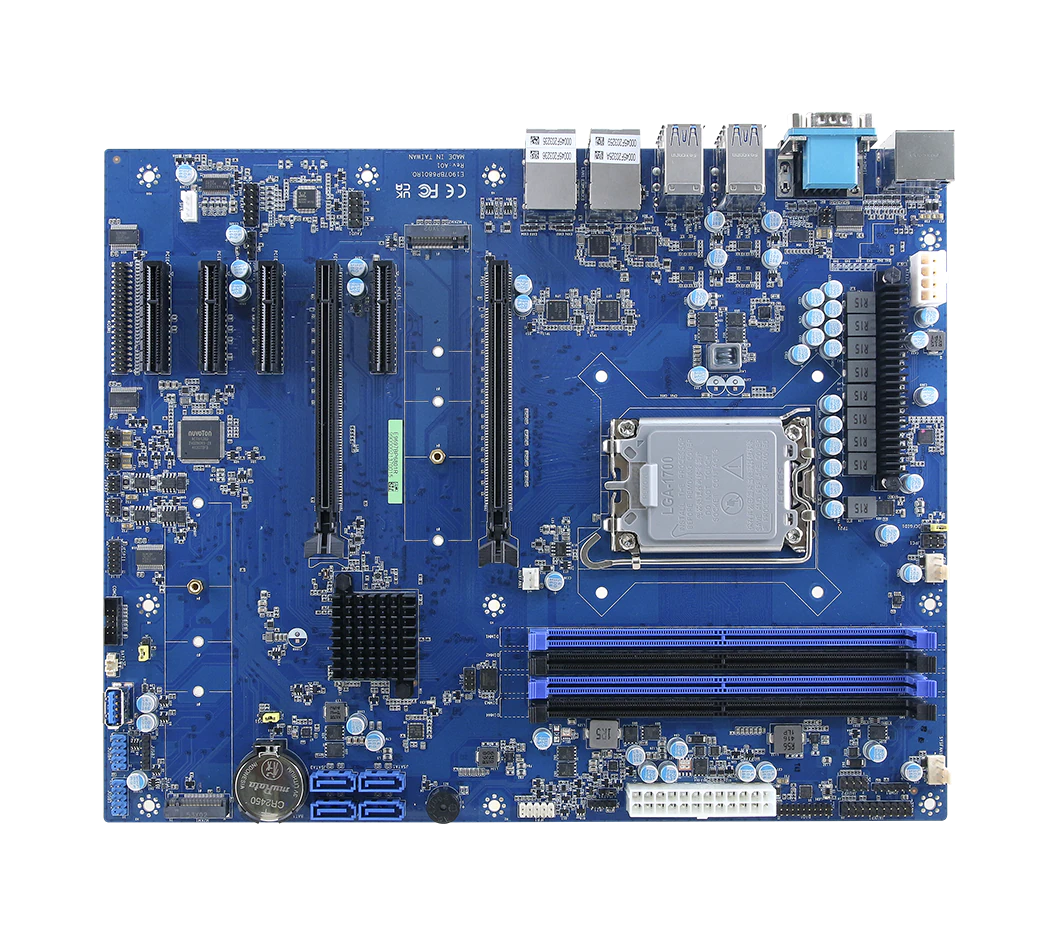
- EAX-R680BP — ATX industrial motherboard, PCIe Gen5, DDR5
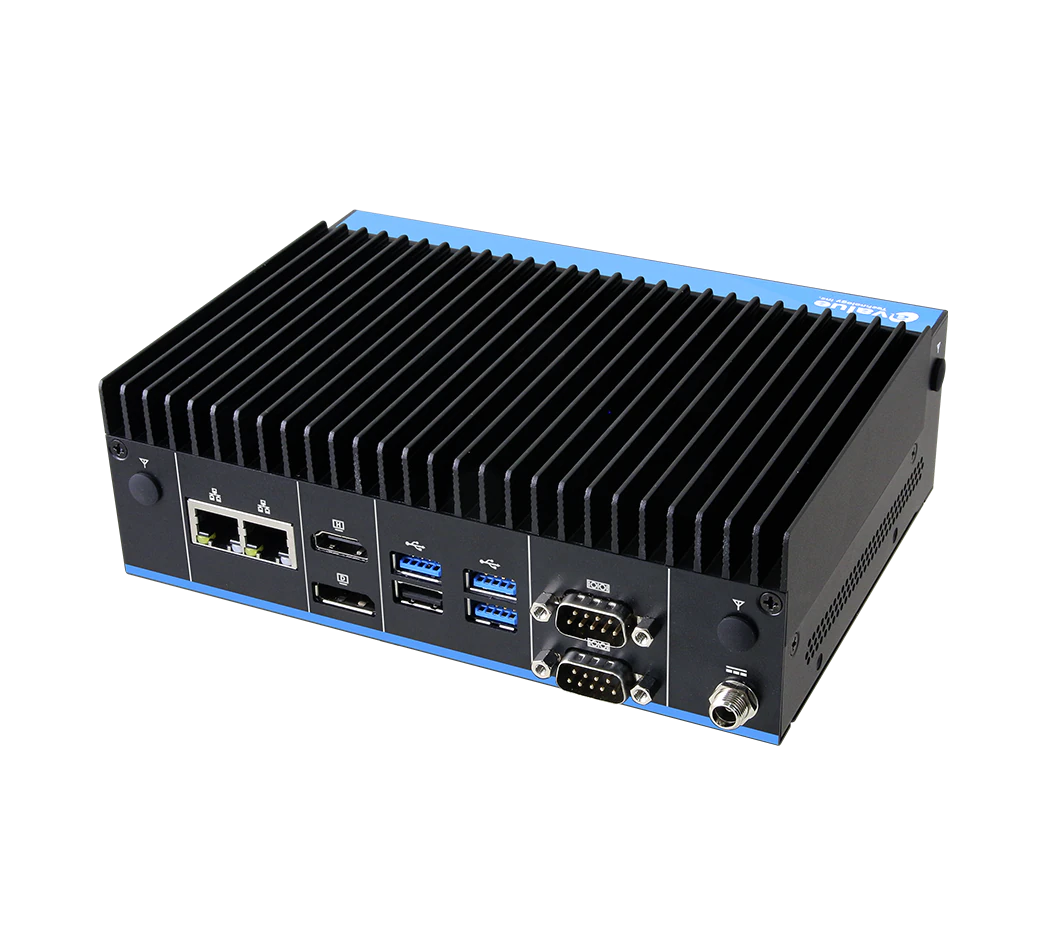
- EPC-TWL — fanless compact box on Intel Twin Lake with DDR5 — see EPC-TWL coverage
- BMX-P550 / BMX-P820A / BMX-P850 — 14th Gen Intel Core barebones with DDR5
Decision frame in four lines
- Latest-gen CPU? You're on DDR5 whether you wanted it or not.
- Memory-bound workload (AI, video, analytics)? Spec DDR5.
- HMI / simple panel / cost-sensitive bulk? DDR4 is fine.
- Need full ECC? Specify system-level ECC explicitly — DDR5 on-die ECC alone is not enough.
Where TSL Automation fits
TSL Automation supplies Avalue across both DDR4 and DDR5 generations. Contact our team with your workload, capacity target and ECC needs and we'll match the right platform.
Frequently Asked Questions
TSL Automation Solutions
Head of Marketing, TSL Automation Solutions
Sanjana covers industrial automation trends, product launches, and technology insights for TSL Automation Solutions, a Mumbai-based distributor of HMI, Panel PC, and embedded computing systems serving manufacturers across India and globally.
Need help choosing the right product?
Our team in Mumbai can recommend the right HMI, Panel PC, or embedded system for your application.
Contact TSL Automation