
Avalue · Computer-on-Module
REV-Q703
*Price on request. Contact us for a quote.
Highlights
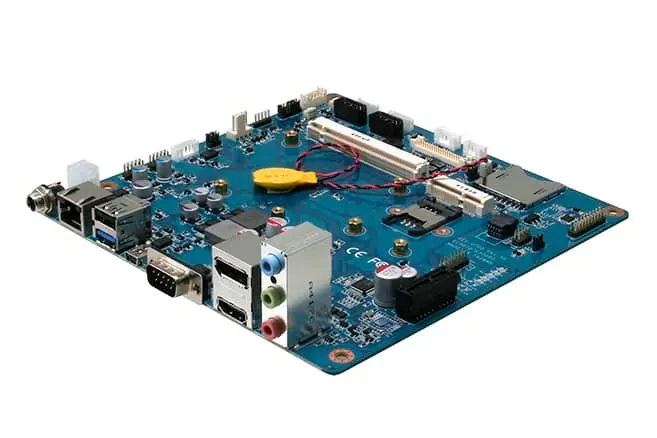
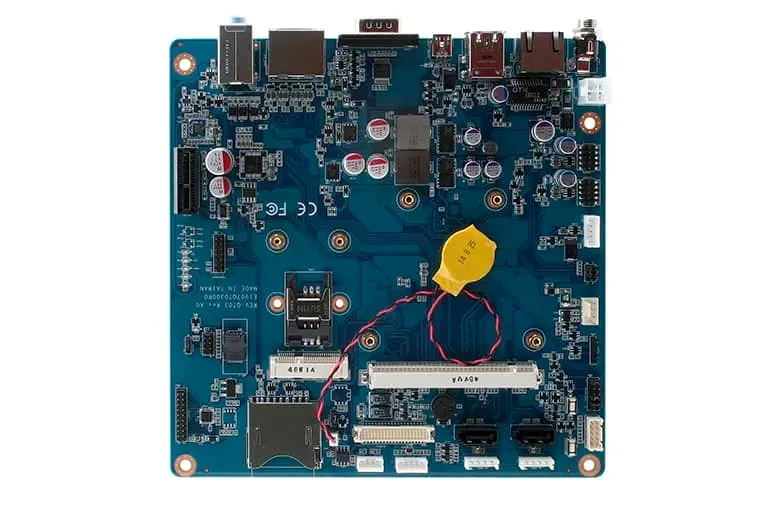
- Mini-ITX Qseven (Q7) module evaluation carrier board
- Supports x86 and ARM Q7 modules (RQM-IMX6, EQM-BYT2, EQM-EHL, EQM-APL)
- 1 x PCIe x1 + 1 x Mini-PCIe with SIM socket
- HDMI / LVDS / eDP outputs
- 1 x Gigabit Ethernet, Realtek ALC892 (x86) / WM8962 (ARM) audio
- 1 x USB OTG, 1 x RS-232, 16-bit GPIO
- 2 x SATA III + 2 x SATA power, CAN bus
- Onboard Freescale MMA8451Q accelerometer (G-sensor)
- Wide -40~85°C operating; CE, FCC, RoHS
Product Description
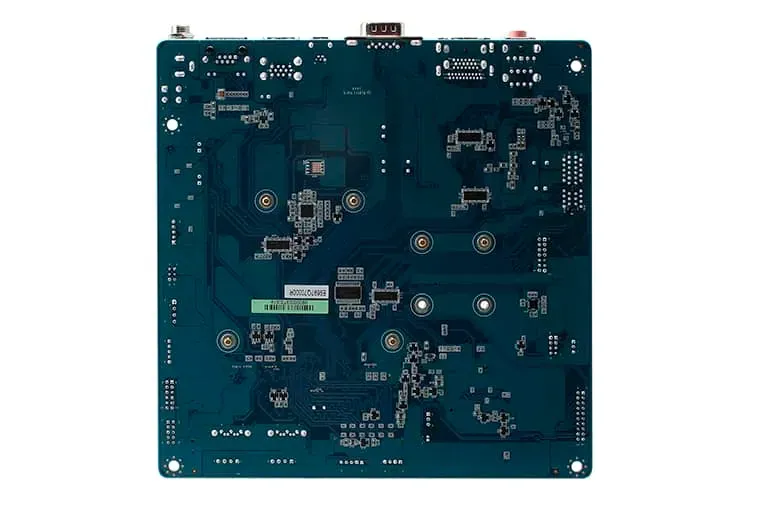
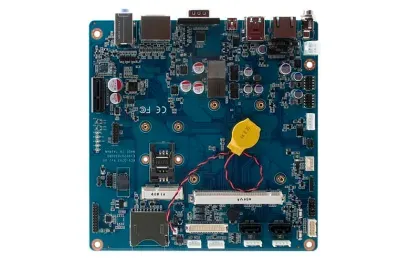
The Avalue REV-Q703 is a Mini-ITX Qseven (Q7) module evaluation carrier board supporting both x86 and ARM Q7 modules, designed for prototyping and validating compact Qseven compute modules including IMX6 and EHL/APL.
In a 170 x 170 mm Mini-ITX footprint it exposes the Q7 module's I/O for development.
It provides a PCIe x1 and Mini-PCIe with SIM socket, HDMI/LVDS/eDP outputs, Gigabit Ethernet, Realtek ALC892 (x86) / WM8962 (ARM) audio, USB OTG, RS-232, 16-bit GPIO, 2x SATA III with SATA power, CAN bus, an onboard Freescale MMA8451Q accelerometer (G-sensor), and a wide -40~85°C operating range.
Technical Specifications
What is REV-Q703?
The REV-Q703 is a computer-on-module manufactured by Avalue, designed specifically for eval-carrier-board applications. It features processor of Mini ITX Q7 Module Carrier Board, display of Depends on the Q7 module and storage of -40 ~ 75°C (-40 ~ 167°F). The Avalue REV-Q703 is a Mini-ITX Qseven (Q7) module evaluation carrier board supporting both x86 and ARM Q7 modules, designed for prototyping and validating compact Qseven compute modules including IMX6 and EHL/APL. In a 170 x 170 mm Mini-ITX footprint it exposes the Q7 module's I/O for development. It provides a PCIe x1 and Mini-PCIe with SIM socket, HDMI/LVDS/eDP outputs, Gigabit Ethernet, Realtek ALC892 (x86) / WM8962 (ARM) audio, USB OTG, RS-232, 16-bit GPIO, 2x SATA III with SATA power, CAN bus, an onboard Freescale MMA8451Q accelerometer (G-sensor), and a wide -40~85°C operating range.
Key Features & Benefits
- Mini-ITX Qseven (Q7) module evaluation carrier board
- Supports x86 and ARM Q7 modules (RQM-IMX6, EQM-BYT2, EQM-EHL, EQM-APL)
- 1 x PCIe x1 + 1 x Mini-PCIe with SIM socket
- HDMI / LVDS / eDP outputs
- 1 x Gigabit Ethernet, Realtek ALC892 (x86) / WM8962 (ARM) audio
- 1 x USB OTG, 1 x RS-232, 16-bit GPIO
- 2 x SATA III + 2 x SATA power, CAN bus
- Onboard Freescale MMA8451Q accelerometer (G-sensor)
- Wide -40~85°C operating; CE, FCC, RoHS
Applications & Use Cases
The REV-Q703 is ideal for various industrial automation applications:
- Prototyping and validating compact qseven compute modules including imx6 and ehl/apl
- DC-powered industrial installations and mobile applications
- Legacy equipment integration and serial communication
- Networked industrial systems and data communication
- Peripheral device connectivity and data transfer
- Industrial automation and control
- Manufacturing process monitoring
- Quality assurance and inspection