
Solution
Machine Vision Hardware & Edge AI Systems
The compute behind automated inspection. NVIDIA edge AI systems, GPU vision computers, fanless controllers, and vision servers that run defect detection, measurement, OCR, and robot guidance in milliseconds at the line. TSL Automation Solutions sizes and supplies machine vision hardware across India as an authorised Avalue Technology distributor.

What is industrial machine vision?
Industrial machine vision is the use of cameras, lighting, and computing hardware to inspect products automatically on a production line. A camera captures an image, software analyses it, and the system decides within milliseconds whether the part passes, fails, or needs sorting, then tells the PLC or robot what to do.
A vision system has four layers: the camera and lens, the lighting (usually the single biggest factor in whether inspection is reliable), the vision computer that runs the inspection software, and the interface back to your line control. We supply the compute layer, the operator panels, and the industrial I/O, matched to your camera count and software.
- Inspect every part, not a sample
- Millisecond decisions at line speed
- Catches defects the human eye misses
- Consistent 24/7, no inspector fatigue
- Full traceability and inspection records
- Deep learning for defects rules cannot describe
Machine vision hardware we supply
From a single-camera fanless controller to a multi-GPU vision server, matched to your camera count, resolution, and inspection type.
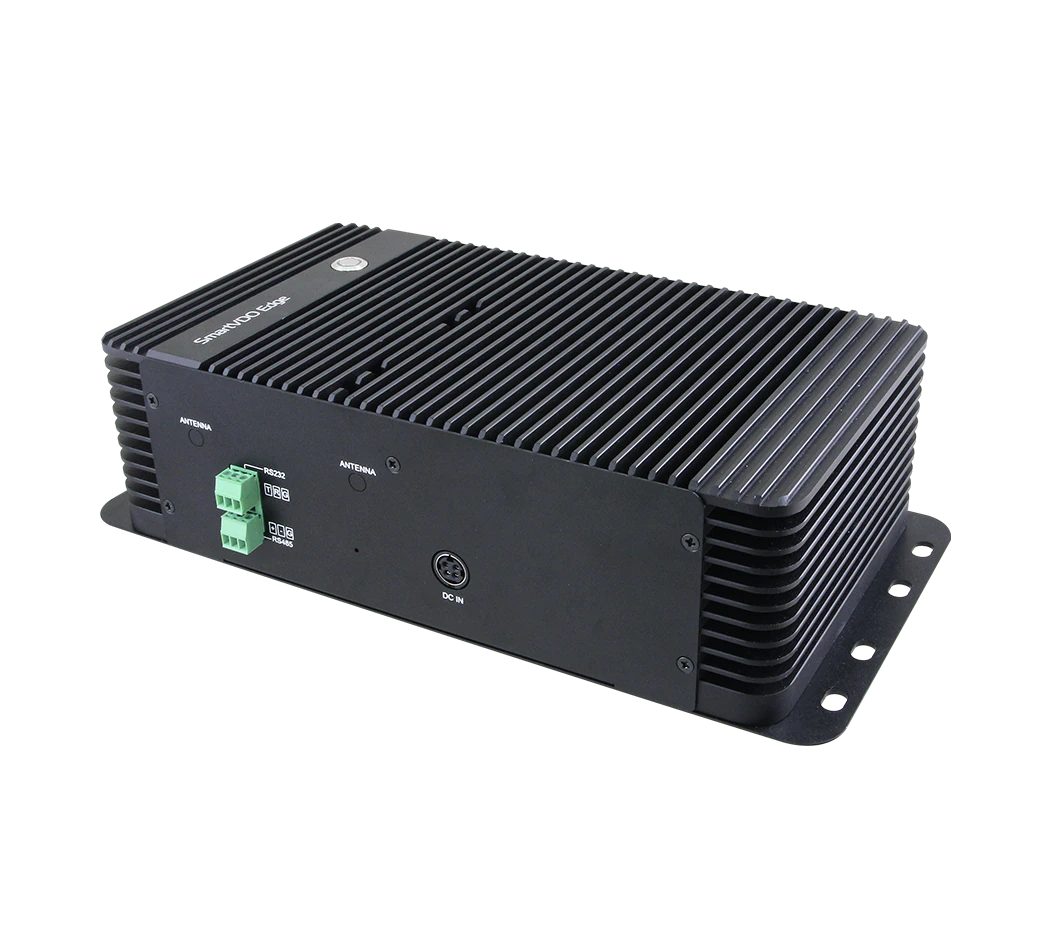
Edge AI Vision Systems (NVIDIA)
NVIDIA Jetson systems for deep-learning inspection: defect detection, classification, and OCR running right at the camera.
View products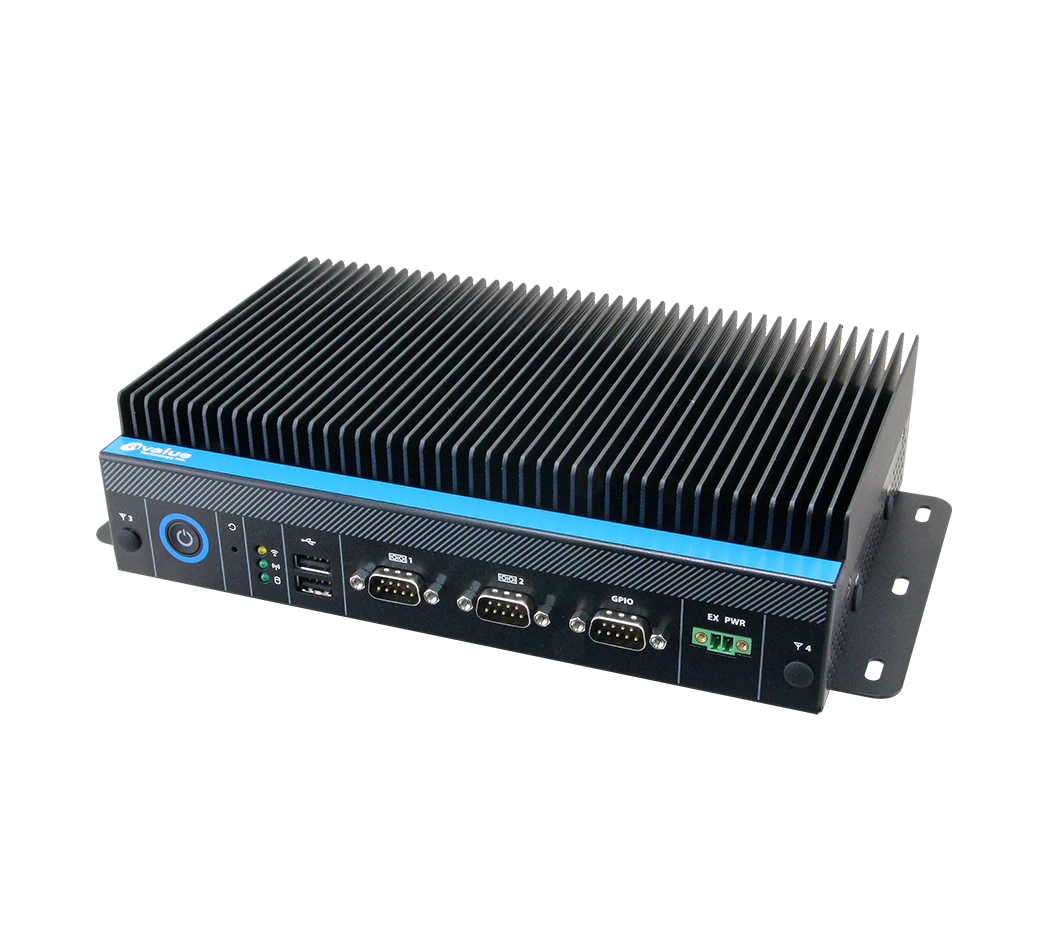
GPU Vision Computers
Modular systems with PCIe and GPU expansion for multi-camera inspection and high-throughput image processing.
View products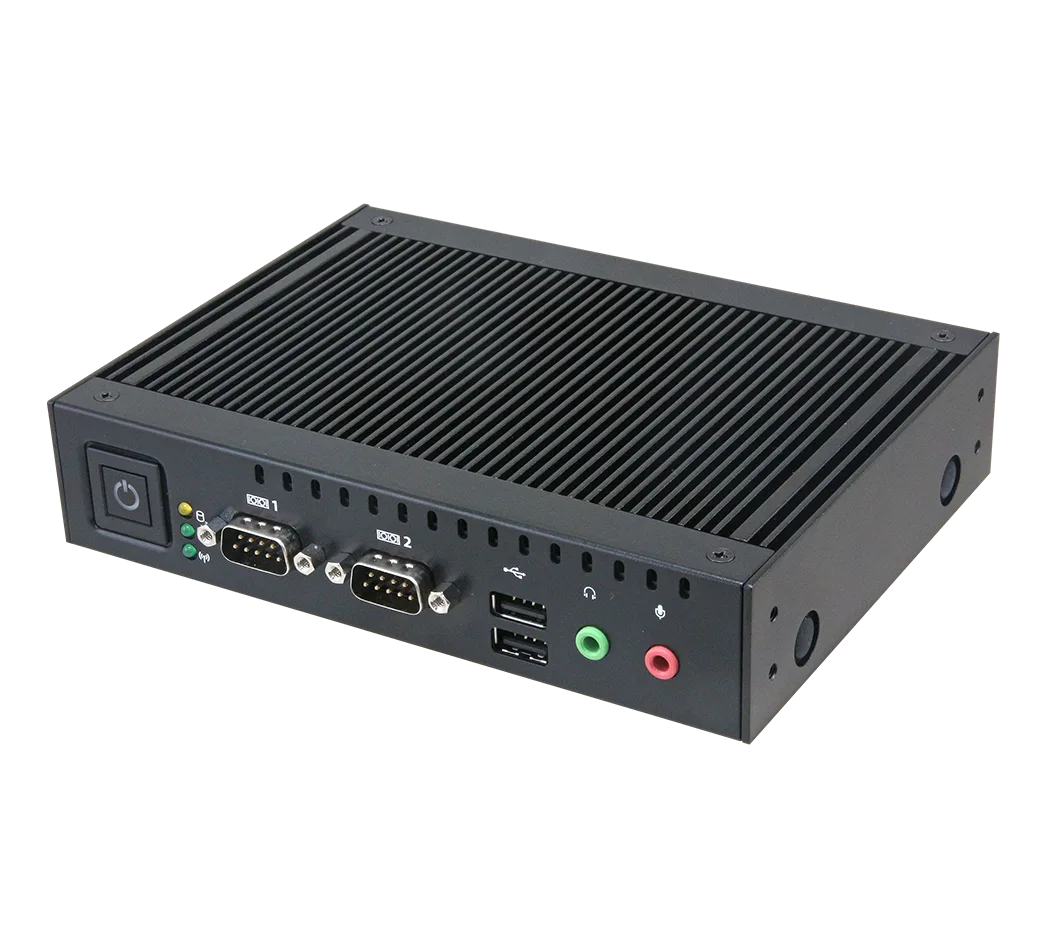
Fanless Vision Controllers
Compact fanless computers that mount beside the line for single- or dual-camera stations in dusty, hot cells.
View products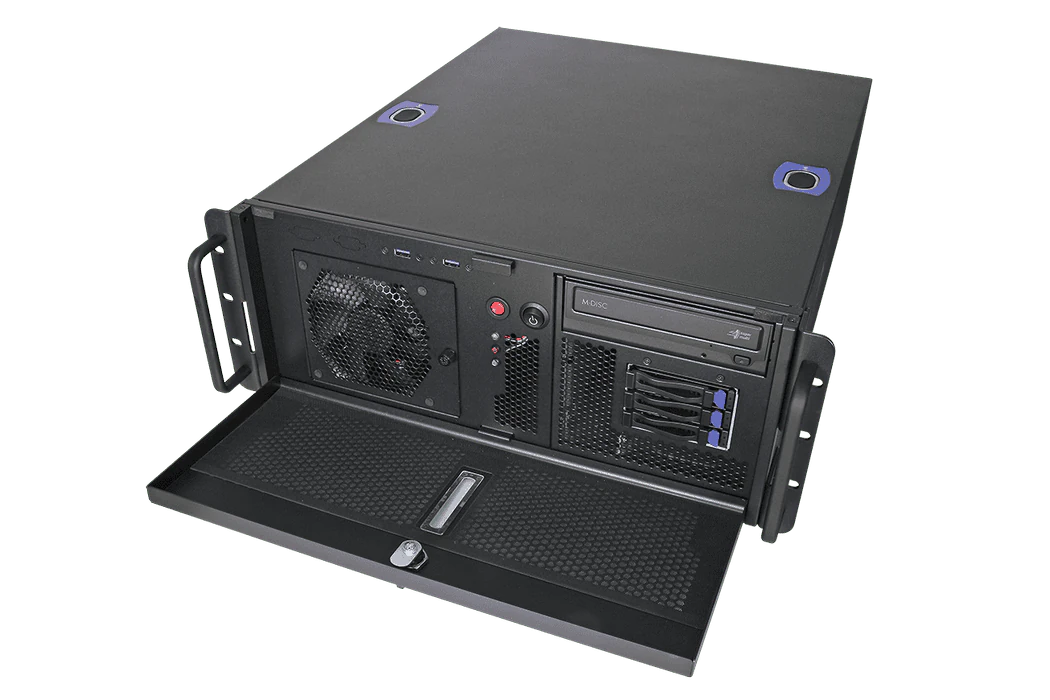
Vision Servers & Workstations
Rackmount and tower workstations for plant-wide vision, model training, and many simultaneous camera streams.
View products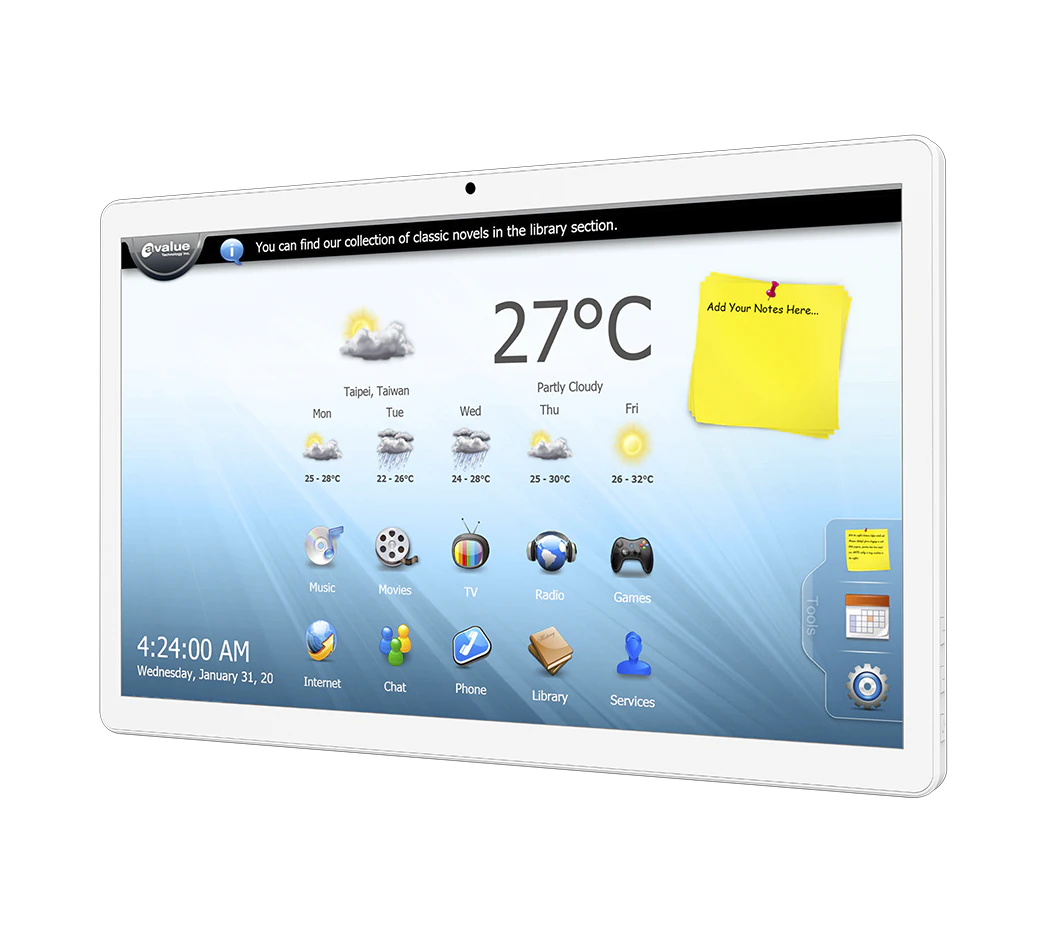
Vision Operator Panels
Panel PCs and industrial displays so operators can review results, tune recipes, and act on rejects at the line.
View products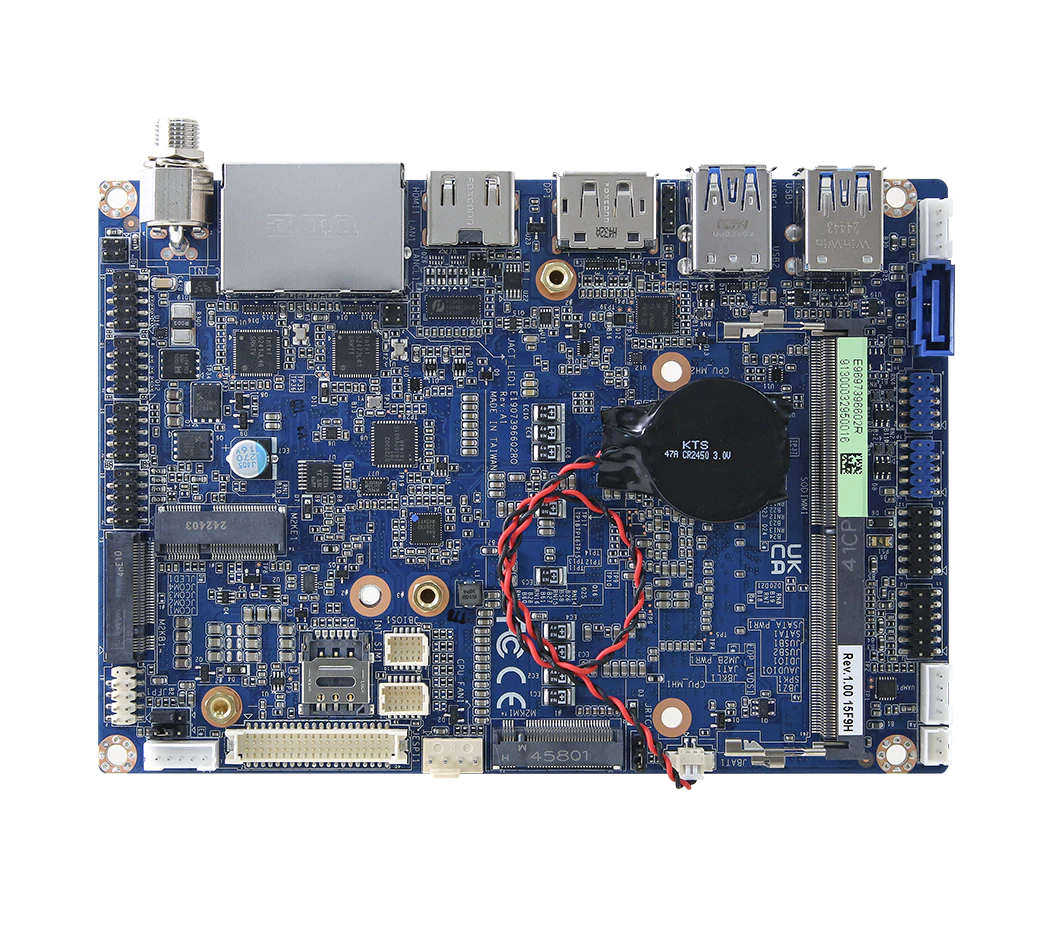
Embedded Vision Boards
Long-lifecycle SBCs and modules to build vision intelligence directly into your own inspection machine.
View productsHow much compute do you need?
The most common question we get. A practical starting guide, then talk to us with your actual numbers.
| Your setup | Typical inspection | Hardware class |
|---|---|---|
| 1 to 2 cameras | Presence, measurement, barcode | Fanless vision controller |
| 2 to 6 cameras | Deep-learning defect detection, OCR | NVIDIA edge AI system |
| 6 or more cameras | Multi-station or high-resolution inference | GPU vision computer |
| Plant-wide or model training | Many streams, retraining, archiving | Vision server / workstation |
Indicative only. Actual sizing depends on resolution, frame rate, model complexity, and how many inspections run per part.
Where machine vision is used
Surface & defect inspection
Detect scratches, dents, contamination, and finish defects on metal, plastic, glass, and textiles, including subtle defects that rule-based systems miss.
Dimensional measurement
Verify tolerances, gaps, hole positions, and alignment in real time, so out-of-spec parts are caught at the station rather than at final QC.
Barcode, OCR & traceability
Read codes, date and lot markings, and printed text for track-and-trace, packaging verification, and compliance records.
Assembly & presence verification
Confirm every component, fastener, label, and connector is present and correctly oriented before the product moves down the line.
Robot & pick-and-place guidance
Give robots the coordinates to locate and pick randomly presented parts, including bin picking and precise placement.
Packaging & label inspection
Check label position, print quality, fill level, and seal integrity at line speed in food, beverage, and pharmaceutical packing.
Why source vision hardware from TSL Automation
Sized to your cameras
Tell us camera count, resolution, and inspection type; we specify the compute.
Authorised Avalue distributor
Genuine, warranty-backed edge AI and vision hardware.
Built for the shop floor
Fanless, wide-temperature, vibration-tolerant, not office PCs in a cabinet.
Long lifecycle
Multi-year availability so you can replicate the same line next year.
Machine vision FAQs
Industrial machine vision is the use of cameras, lighting, and computing hardware to inspect products automatically on a production line. A camera captures an image, software analyses it, and the system decides in milliseconds whether the part passes, fails, or needs sorting. It is used for defect detection, dimensional measurement, barcode and OCR reading, assembly verification, and robot guidance, at speeds and consistency no human inspector can match.
It depends on resolution, frame rate, and how heavy the inspection model is. As a practical guide: a compact fanless controller typically handles one to two cameras for straightforward tasks; an NVIDIA Jetson edge AI system handles roughly two to six streams of deep-learning inference; and a GPU-expandable or rackmount vision server handles eight or more, or fewer cameras at very high resolution and frame rate. Rather than guess, send us your camera count, resolution, frame rate, and inspection type and our team will size the hardware for you.
Four layers: the camera (area or line scan, with the right lens), lighting (usually the single biggest factor in reliability), the vision computer that runs the inspection software, and the interface back to your PLC or line control to act on the result. TSL Automation supplies the compute layer, the operator panels, and the industrial I/O, and helps match it to your camera and software choice.
Traditional rule-based inspection, such as measurement, presence or absence checks, and barcode reading, often runs well on a CPU-only industrial computer. Deep-learning inspection, such as surface defect detection on varied materials, multi-camera inference, or anything trained on image samples, needs a GPU or NPU. If your application involves training on example images rather than fixed rules, plan for accelerated compute from the start.
GigE Vision is the most common in industrial plants: long cable runs, easy multi-camera setups, and Power over Ethernet on many models, so the computer needs enough Ethernet ports and PoE budget. USB3 Vision suits short-range single-camera stations. CoaXPress is for very high speed and resolution and needs a dedicated frame grabber card, which means a system with a free PCIe slot. Confirm the interface before choosing the computer, because it dictates the ports and expansion you need.
Yes, if you specify industrial hardware rather than office PCs. Fanless designs have no moving parts and resist dust and vibration, wide-temperature models handle hot cells and unconditioned areas, and wide-voltage DC input suits machine-mounted installations. This is exactly why vision deployments use industrial computers: a consumer PC in an inspection cell typically fails within a year or two.
Yes. TSL Automation Solutions is an authorised India distributor of Avalue Technology and supplies edge AI vision systems, GPU vision computers, fanless controllers, vision servers, operator panels, and embedded boards pan-India, with engineering-led sizing, fast quotations, and long product-lifecycle support.
Read more
Planning an inspection system?
Send us your camera count, resolution, and what you need to detect. We will size and quote the right hardware.