
Industrial Barebone vs Full System vs DIY: When Does Barebone Actually Win?
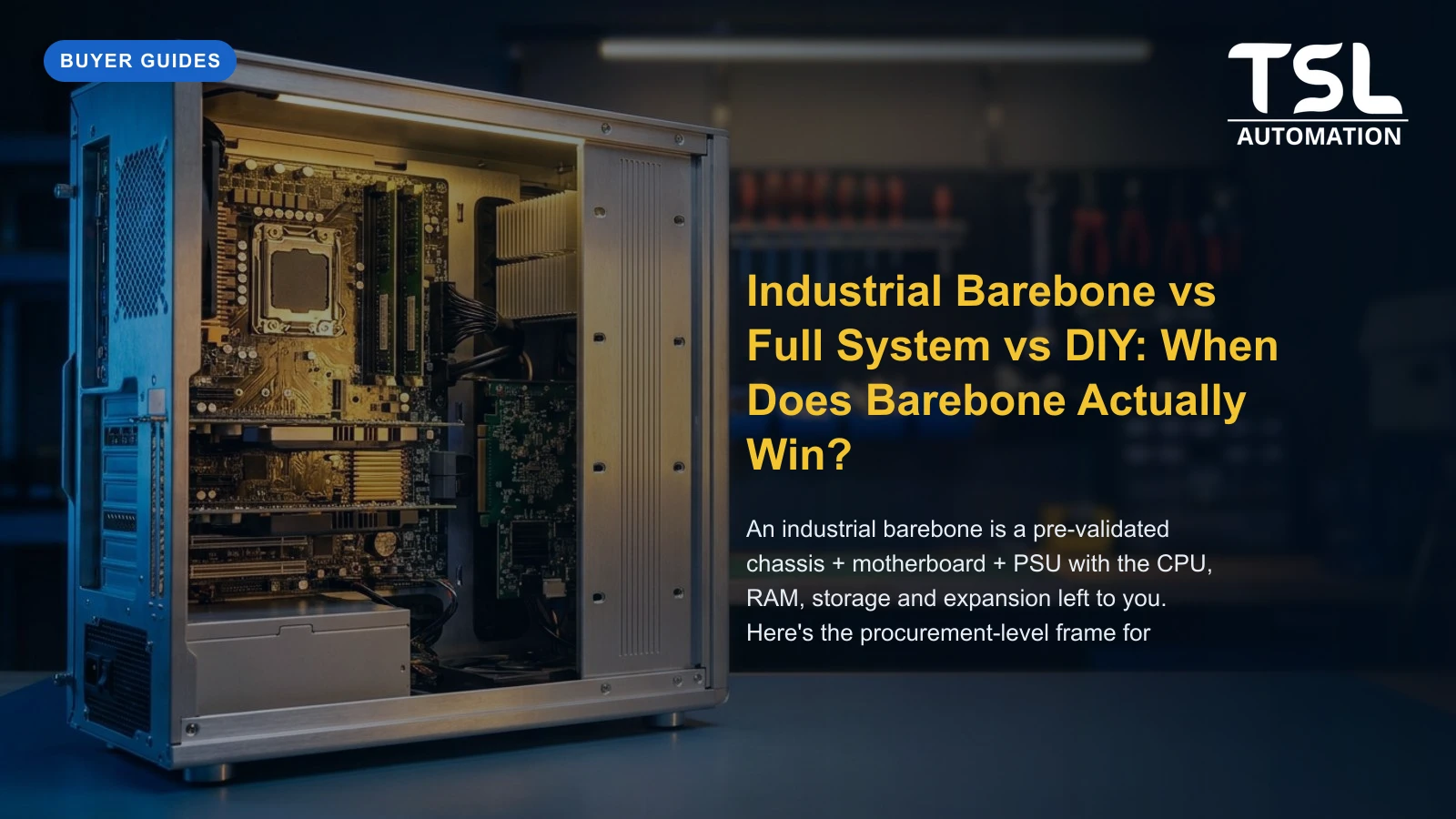
Table of Contents
What "barebone" actually means in industrial
A consumer "barebone" is a half-built PC you finish at home. An industrial barebone is something different: a pre-validated combination of chassis, industrial motherboard and PSU with thermal design, expansion slots and I/O bezel already engineered together. The integrator adds CPU, RAM, storage and add-in cards. The promise is the time-savings of a system without the rigidity of a fully fixed configuration.
Three procurement paths compared
Fully integrated system
Vendor ships a finished computer with chosen CPU, RAM, storage. Fastest to deploy, lowest project risk, weakest configuration flexibility, highest unit price.
Industrial barebone
Pre-validated chassis + board + PSU. You add CPU/RAM/storage/expansion to match the project. Faster to deploy than DIY, more flexible than fully integrated, and the thermal/EMC envelope is already characterised.
DIY build (motherboard + chassis sourced separately)
Maximum flexibility, maximum risk. You own the thermal validation, EMC compliance and long-term parts availability of the combination. Worth it only at very high volume or for unique form factors.
When industrial barebone wins
- You're a system integrator shipping similar variants to many customers — the barebone is your platform, the CPU/RAM is your per-project SKU
- Mid volume — too high for a single fixed config, too low to absorb a custom design
- You need GPU / AI accelerator headroom — barebone chassis are sized for full-height expansion that fixed systems often don't allow
- You want predictable thermal / EMC behaviour across configs without re-validating every CPU change
- Faster time-to-prototype than DIY — the chassis, PSU and motherboard already work together
When barebone is the wrong answer
- Single-config, low-volume project — buy the finished system
- Highly specialised mechanical envelope no standard chassis fits — go DIY/custom
- You have no in-house build capability — buy fully integrated
- Ultra-low cost consumer-grade — barebone is industrial-grade pricing
What to check on a barebone candidate
- Motherboard form factor (Mini-ITX / Micro-ATX / ATX) and the CPU sockets/generations it covers
- Chassis volume and full-height expansion slot count
- PCIe lane availability — Gen4 x16 vs Gen5 x16 for GPU/AI
- Thermal envelope (CPU TDP + GPU TDP supported) and ambient operating range
- I/O bezel — display outputs, USB, RS-232, dual or 2.5GbE Ethernet
- PSU rating with margin for GPU and accelerator load
- Long-term motherboard availability (industrial-grade vs consumer roadmap)
Avalue's BMX Series — three tiers under one platform
The BMX Series is built on 14th Gen Intel Core (Raptor Lake-S Refresh) with DDR5 — see our BMX overview. Three tiers cover the typical project spread:
- BMX-P550 — compact 5.7L for edge AI inference, smart machinery, gateways and automation
- BMX-P820A — Micro-ATX with PCIe Gen5 x16 GPU support for line-side AI vision and defect inspection
- BMX-P850 — ATX/Micro-ATX/Mini-ITX support with up to 7 full-height expansion slots for industrial AI workstations
For ARM and lower-power barebones see the rest of the Barebone System family.
Where TSL Automation fits
TSL Automation supplies Avalue barebone systems worldwide. Contact our team with your target CPU range, expansion needs and volume profile and we'll shortlist a barebone tier — or recommend a fully integrated system if barebone isn't the right fit.
Frequently Asked Questions
TSL Automation Solutions
Head of Marketing, TSL Automation Solutions
Sanjana covers industrial automation trends, product launches, and technology insights for TSL Automation Solutions, a Mumbai-based distributor of HMI, Panel PC, and embedded computing systems serving manufacturers across India and globally.
Need help choosing the right product?
Our team in Mumbai can recommend the right HMI, Panel PC, or embedded system for your application.
Contact TSL Automation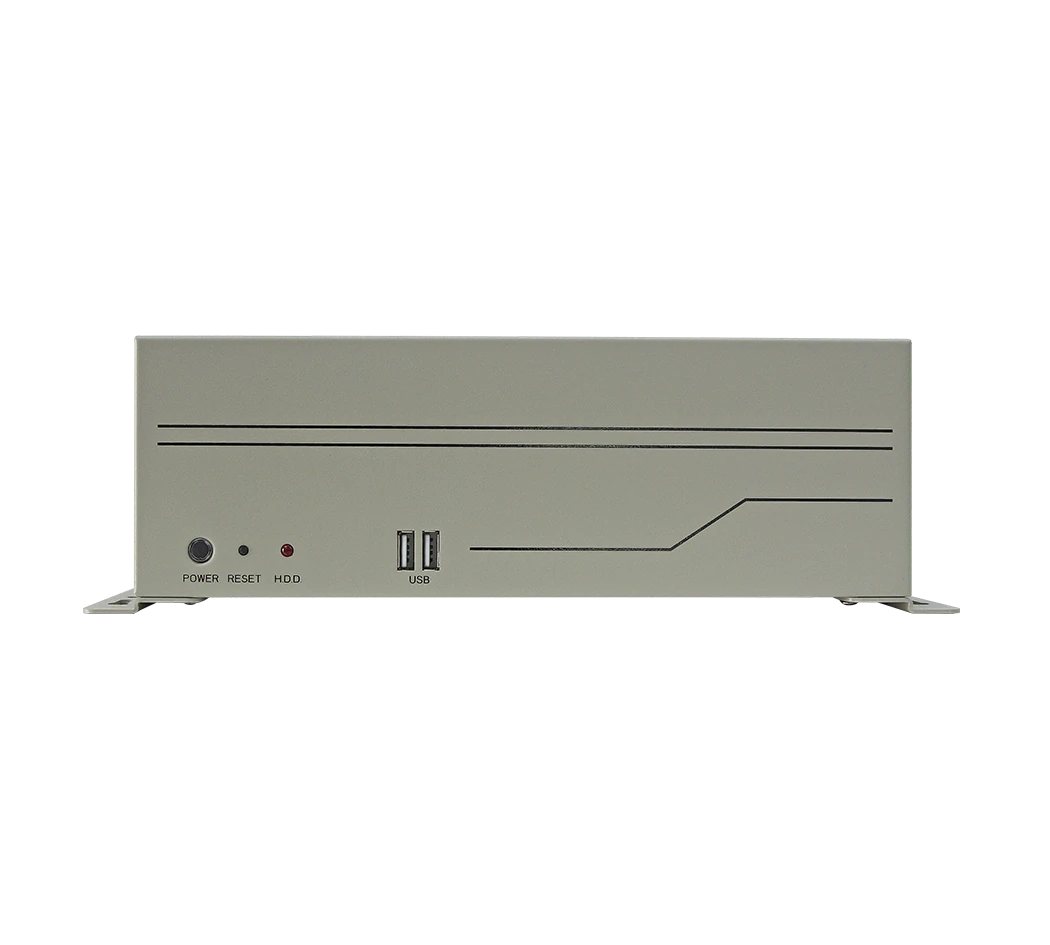
Related Articles
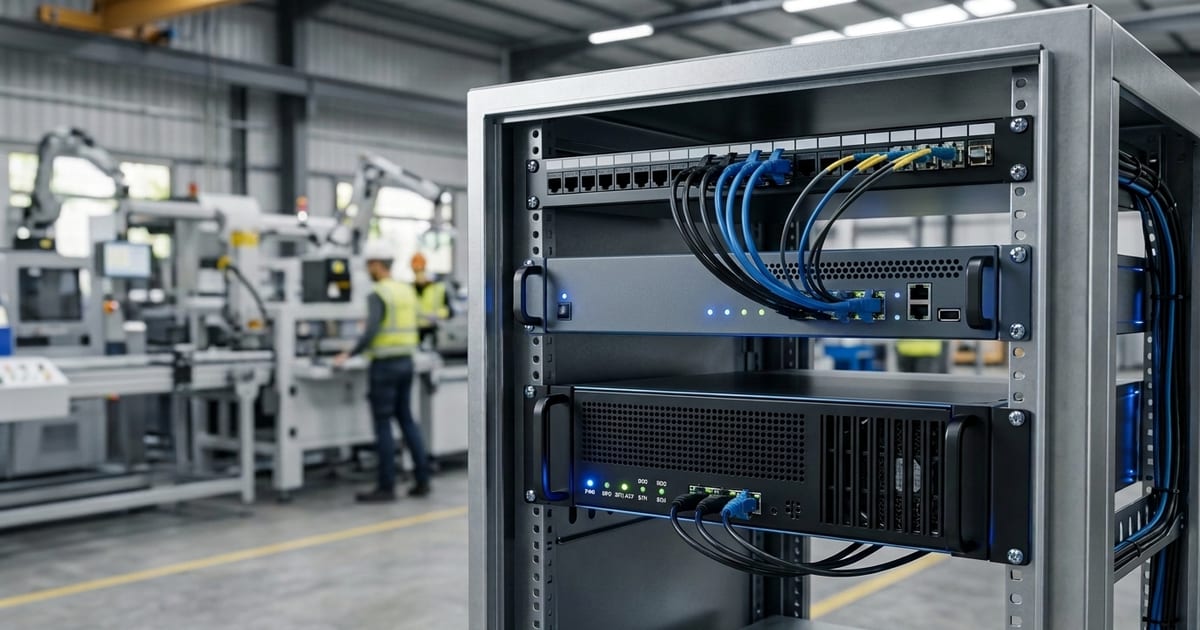
How to Choose an Edge AI Server: A Buyer’s Guide for On-Site AI & Machine Vision
Aug 4, 2026
Android vs Windows Panel PC for Self-Service Kiosks and QSR: Which Should You Pick?
May 20, 2026
COM Express vs SMARC vs Qseven: Which Computer-on-Module Standard Should You Pick?
May 20, 2026