
IEC 60601-1 "Certified" vs "Compliant": What Hospitals Should Actually Ask Before Buying

Table of Contents
Two words that decide if your PO clears procurement
When you scope a medical-grade computer for patient areas, the difference between "IEC 60601-1 certified" and "IEC 60601-1 compliant" is the single biggest cause of returned quotes. Hospital procurement policies typically demand third-party certification for equipment in patient environments — a self-declared compliant product can be rejected outright at evaluation.
What IEC 60601-1 actually covers
IEC 60601-1 is the international safety standard for medical electrical equipment, set by the International Electrotechnical Commission. It governs electrical, mechanical and (with collateral standards) electromagnetic safety so a device cannot discharge dangerous energy into a patient or clinician. The companion standard IEC 60601-1-2 covers electromagnetic compatibility (EMC) — both that the device must not interfere with other medical equipment and must not be disrupted by them.
Certified vs compliant — the practical difference
- Certified — the product has been tested by an accredited third-party laboratory (e.g. TÜV, UL, Intertek) and carries a certificate of conformity with a test report number you can verify.
- Compliant (self-declared) — the manufacturer states the device meets the standard but no independent body has tested it. For most patient-area procurement this is not acceptable.
The questions to put on every RFQ
- Is this device third-party certified to IEC 60601-1 (and -1-2 EMC), or self-declared compliant?
- Provide the certificate of conformity and test report number.
- Is the certificate verifiable in the certification body's public database?
- Which edition of IEC 60601-1 (and which national deviations — UL, CSA, EN, etc.) does the certificate cover?
- What is the device classification (Class I vs Class II; applied-part type B, BF or CF)?
- Does the product carry IEC 60601-1-2 EMC certification for the intended environment (e.g., professional healthcare facility vs home healthcare)?
- Is the power adapter medical-grade and certified to the same standard?
Physical design markers of a real medical PC
Beyond the certificate, look for:
- Antimicrobial / antibacterial surface treatment for high-contact areas
- Sealed front panel (commonly IP65) for wipe-down disinfection
- Fanless cooling — no airflow means less dust, less noise and easier infection control
- ESD protection appropriate for hospital environments
- Adequate creepage and clearance distances on the PCB and connectors
Where TSL Automation fits
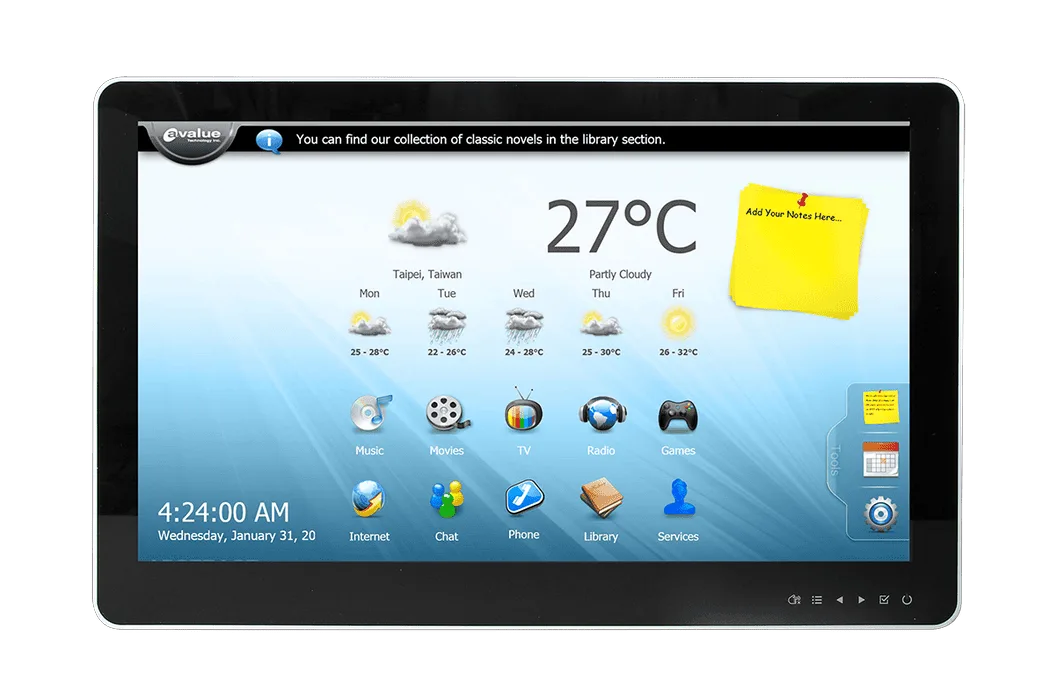
TSL Automation supplies Avalue's medical-grade lineup worldwide — including the IEC/EN 60601-1 portfolio: the MAB-T690 AI workstation, the MAB-T660D edge AI Box PC, and the HID-2100 medical touch display. For an existing two-tier medical AI architecture, see our MAB-T690/T660D coverage. Contact our team with the certification, classification and applied-part requirements for your project and we'll shortlist the right platform.
Frequently Asked Questions
TSL Automation Solutions
Head of Marketing, TSL Automation Solutions
Sanjana covers industrial automation trends, product launches, and technology insights for TSL Automation Solutions, a Mumbai-based distributor of HMI, Panel PC, and embedded computing systems serving manufacturers across India and globally.
Need help choosing the right product?
Our team in Mumbai can recommend the right HMI, Panel PC, or embedded system for your application.
Contact TSL Automation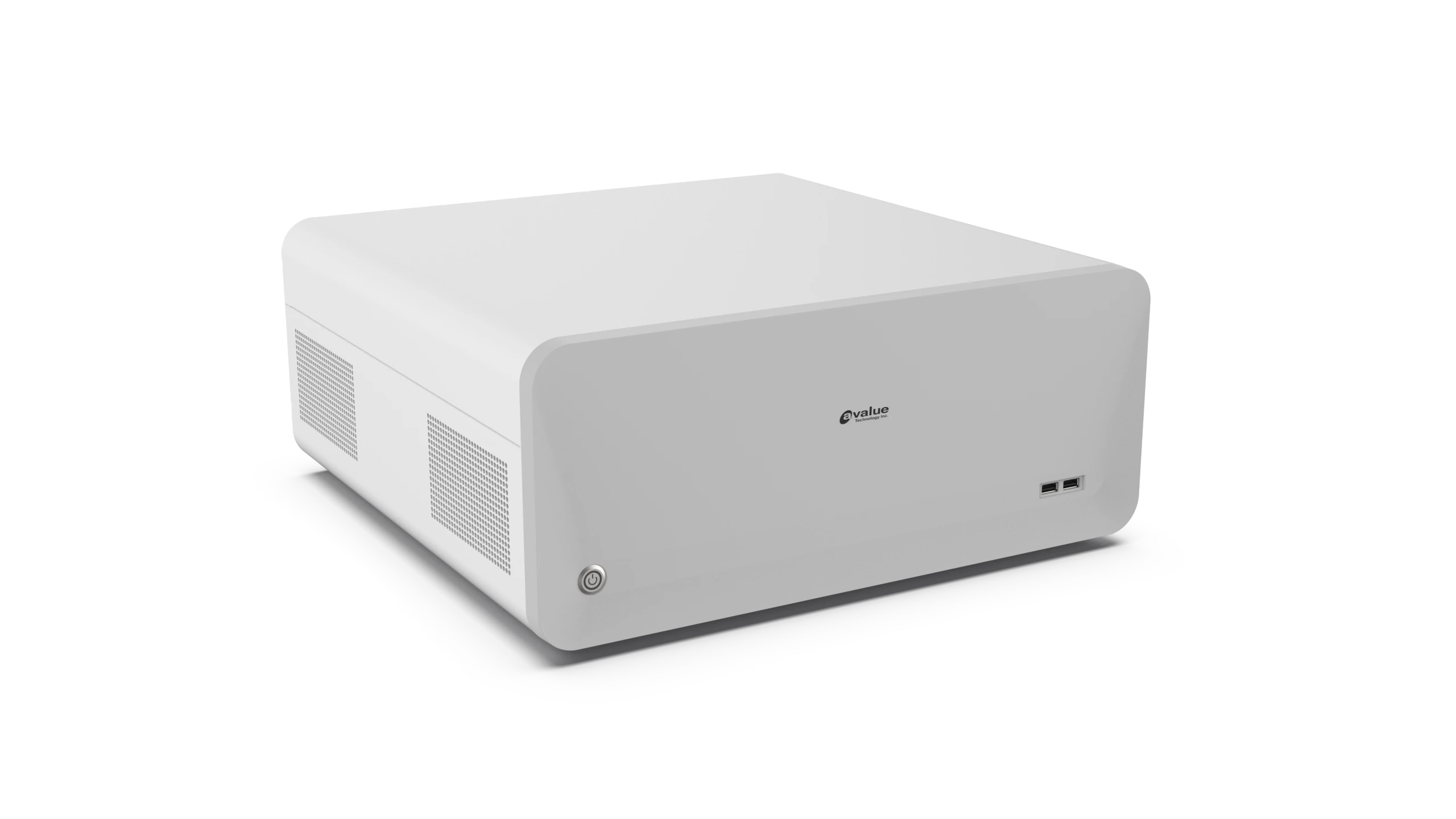
Related Articles
How to Choose an Edge AI Server: A Buyer’s Guide for On-Site AI & Machine Vision
Aug 4, 2026
Android vs Windows Panel PC for Self-Service Kiosks and QSR: Which Should You Pick?
May 20, 2026
COM Express vs SMARC vs Qseven: Which Computer-on-Module Standard Should You Pick?
May 20, 2026