What Is Embedded Computing? How Industrial Embedded PCs Differ from Desktop Computers
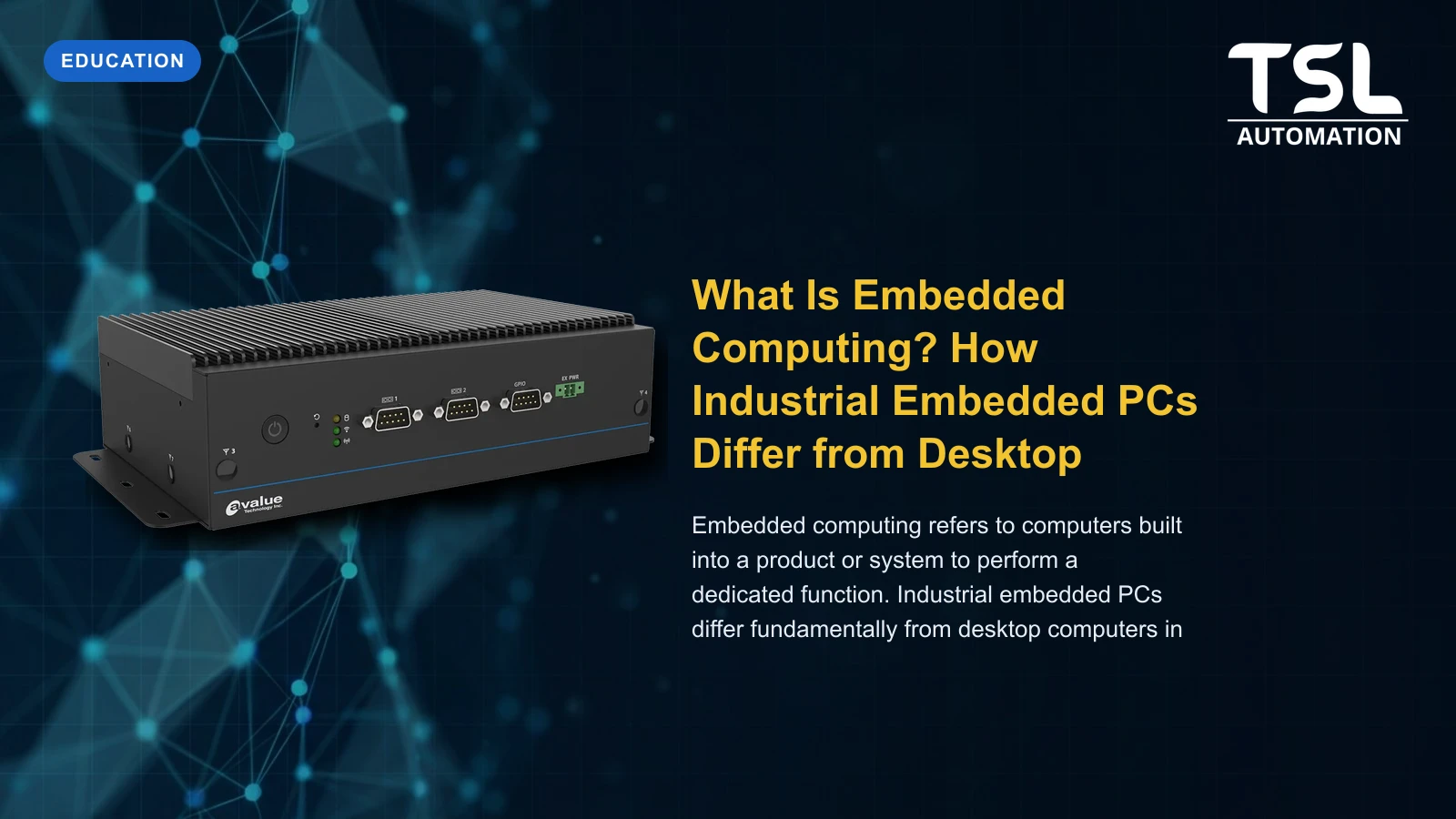
Table of Contents
What Is Embedded Computing?
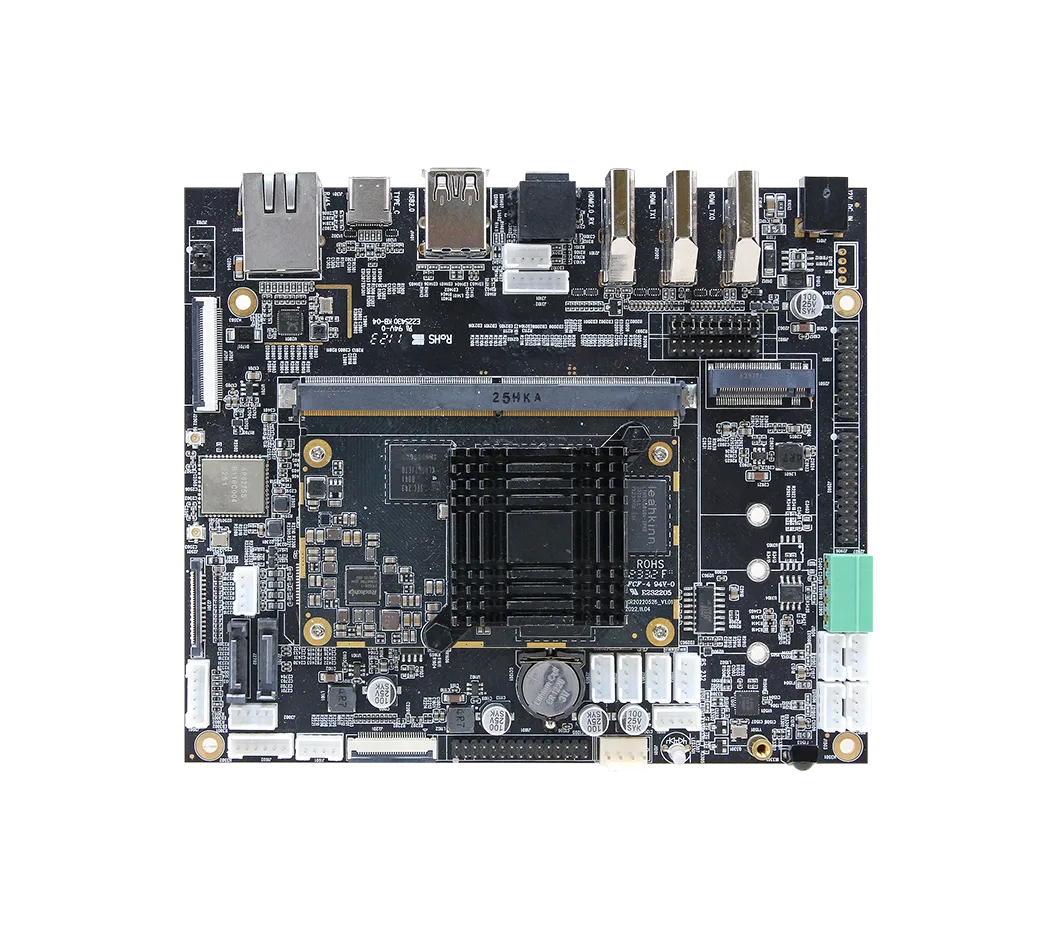
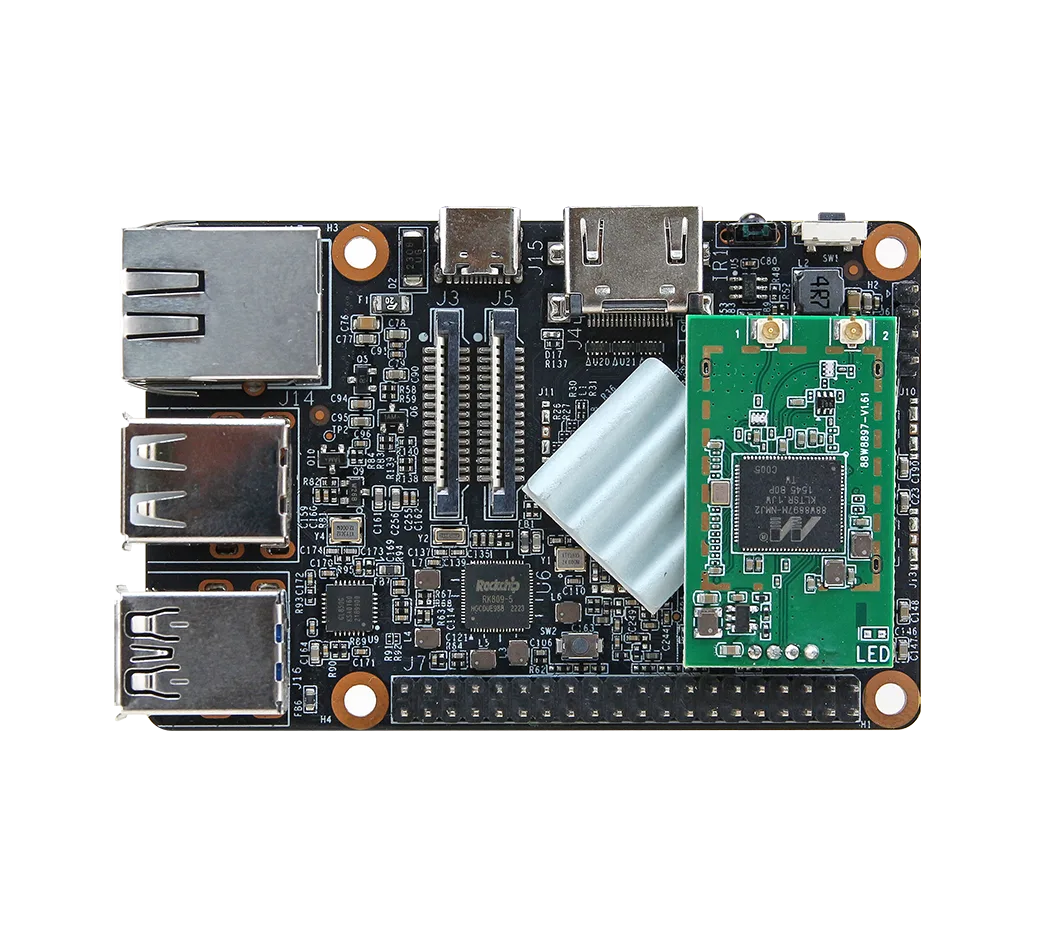
Embedded computing refers to computing systems that are built into a larger product or industrial system to perform a specific, dedicated function — rather than being a general-purpose computer used by an end user for multiple tasks. Embedded computers power industrial robots, CNC machines, medical imaging equipment, railway signalling systems, and factory automation.
Unlike a desktop computer that you buy, configure, and use for many different applications, an embedded PC is typically selected and configured once, installed in a machine or enclosure, and then runs the same application 24/7 for years — often a decade or more.
How Industrial Embedded PCs Differ from Desktop Computers
| Feature | Desktop PC | Industrial Embedded PC |
|---|---|---|
| Product lifecycle | 2–3 years typical | 7–10 years minimum |
| Operating temperature | 15°C to 35°C | -20°C to 60°C or wider |
| Cooling | Active fans | Fanless passive cooling |
| Form factor | ATX tower or SFF | 3.5", Mini-ITX, DIN rail, panel-mount |
| Vibration resistance | Not rated | IEC 60068-2-6 certified |
| Power input | 230V AC only | Wide-range 9–36V DC common |
| MTBF | 10,000–15,000 hours | 50,000–100,000 hours |
| OS support | Latest OS only | Long-term OS support (Windows IoT LTSC) |
| Certifications | CE, FCC basic | CE, FCC, UL, IECEx, MIL-STD options |
Long Product Lifecycle: Why It Matters
In a factory setting, when a PC controls a production line, you cannot simply swap it for a newer model when the manufacturer discontinues it. The control software may not run on new hardware; the mechanical form factor may be specific to the machine enclosure; and the qualification and validation effort for a new system is significant. Industrial embedded PC manufacturers like Avalue Technology commit to 7–10 year product lifecycles, with long-term availability of spare units and boards. This is fundamentally different from the 2–3 year consumer PC product cycle.
Common Industrial Embedded Form Factors
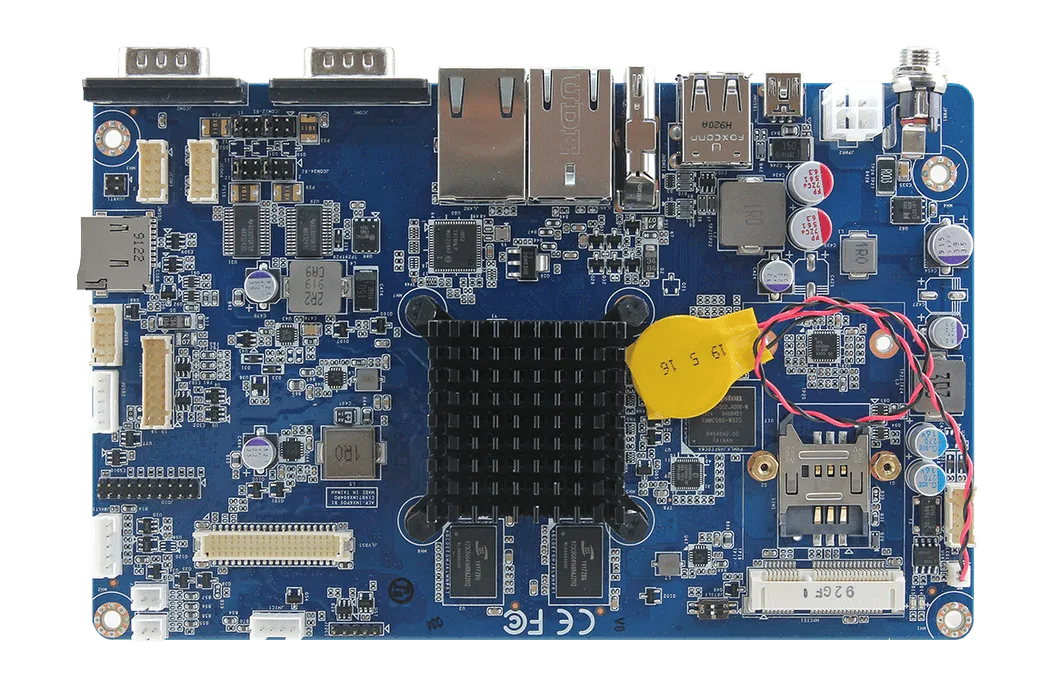
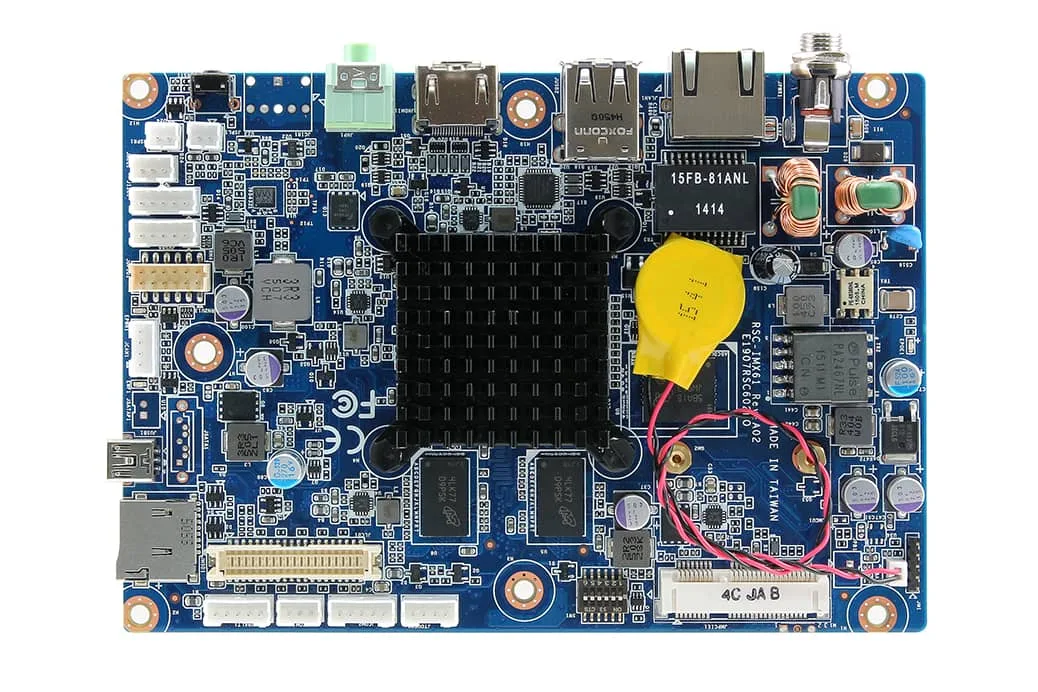
- 3.5-inch SBC — small single board computer, common in space-constrained embedded systems
- Mini-ITX / Thin Mini-ITX — compact motherboard format for industrial Box PCs and Panel PCs
- COM Express (Computer-on-Module) — processor module that plugs into a carrier board, allowing processor upgrades without redesigning the whole system
- DIN rail PC — slim form factor for direct mounting in control cabinets
- Panel PC — embedded computer integrated with a flat-panel display in a single enclosure
- Box PC — standalone fanless embedded PC in a compact metal enclosure
Operating Systems for Industrial Embedded PCs
Industrial embedded PCs typically run one of the following operating systems:
- Windows 10 IoT Enterprise LTSC — Microsoft's long-term servicing channel for industrial use, 10-year support lifecycle, no forced updates
- Windows 11 IoT Enterprise LTSC — next-generation Windows IoT for newer hardware
- Ubuntu LTS / Debian — popular Linux options for embedded computing and IIoT applications
- RTOS — real-time operating systems for hard real-time control applications
TSL Automation Solutions supplies Avalue Technology's full range of industrial embedded PCs — from compact 3.5-inch SBCs to full-featured Panel PCs — with authorised India after-sales support. Contact us to find the right embedded computing solution for your application.
Frequently Asked Questions
TSL Automation Solutions
Head of Marketing, TSL Automation Solutions
Sanjana covers industrial automation trends, product launches, and technology insights for TSL Automation Solutions, a Mumbai-based distributor of HMI, Panel PC, and embedded computing systems serving manufacturers across India and globally.
Need help choosing the right product?
Our team in Mumbai can recommend the right HMI, Panel PC, or embedded system for your application.
Contact TSL Automation